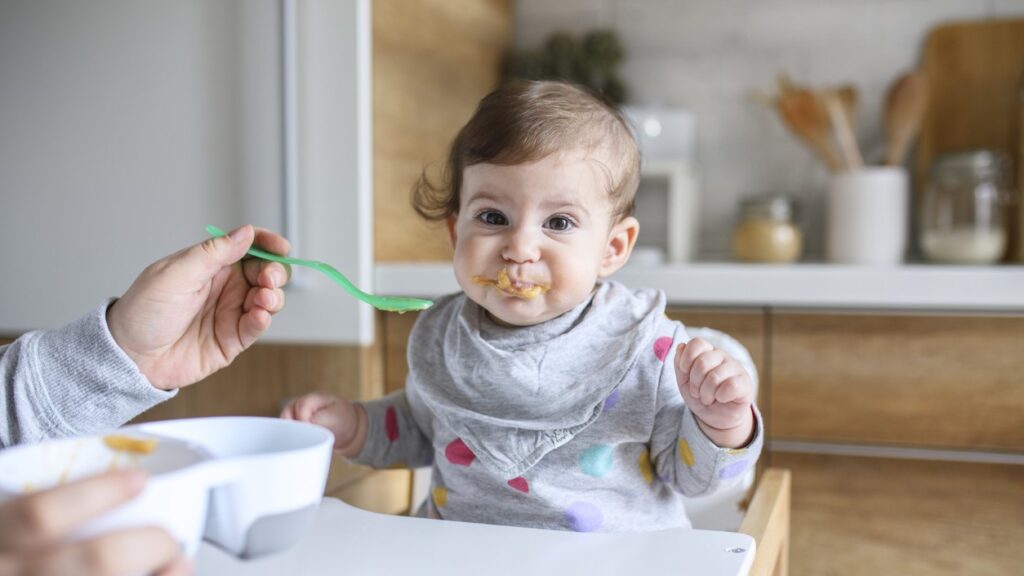
CleanBabyBites is a practical, evidence-informed guide for parents who want to feed their babies safely, confidently, and realistically — without fear, pressure, or perfectionism.
Feeding a baby today can feel overwhelming. Parents are expected to understand ingredient labels, food sourcing, heavy metals, packaging safety, and feeding methods — often while juggling work, sleep deprivation, and limited kitchen space. CleanBabyBites exists to make this easier.
This site focuses on clear explanations, real-world solutions, and calm guidance around starting solids, baby food choices, and early nutrition. We break down what matters, what doesn’t, and how to make smart decisions without turning feeding into a full-time research project.
You won’t find medical advice or extreme opinions here. Instead, you’ll find balanced, thoughtful information designed to support parents wherever they are — whether they’re making homemade purées, buying store-bought foods, or doing a mix of both.
This site focuses on clear, easy-to-understand explanations that help parents make sense of baby feeding without confusion. Instead of overwhelming you with complex terms or conflicting advice, we present information in a way that feels calm, practical, and easy to follow in everyday life.
From starting solids to choosing the right baby foods, we provide real-world solutions that actually fit into your daily routine. Whether you’re short on time, space, or energy, the guidance here is designed to be realistic, flexible, and useful in real parenting situations.
We break down the noise and help you focus on what truly matters in early nutrition. Instead of turning feeding into a full-time research project, we simplify decisions so you can feel confident without second-guessing every choice you make.
You won’t find medical advice or extreme opinions here. Our approach is balanced and supportive, whether you’re making homemade purées, buying store-bought options, or combining both. The goal is to support your choices, not judge them.
Modern parents are more informed than ever — and that comes with questions. News headlines about heavy metals, mold toxins, plastic packaging, and hidden additives can create anxiety, especially when it comes to feeding babies during their most vulnerable stages.
News about heavy metals, mold toxins, plastic packaging, and hidden additives can feel overwhelming.
Many parents ask which foods are safest and whether certain ingredients should be avoided.
Whether you’re preparing homemade purées or relying on store-bought baby food.
From plastic packaging to hidden additives, we explain how these factors affect baby food.
Modern parents are more informed than ever — and that comes with questions. News headlines about heavy metals, mold toxins, plastic packaging, and hidden additives can create anxiety, especially when it comes to feeding babies during their most vulnerable stages.
Many parents want to do the right thing but aren’t sure where to start. Questions like which foods are safest, whether heavy metals mean certain foods should be avoided, and how clean is enough are all addressed in a simple, practical way.
Feeding decisions can feel overwhelming when every option seems to come with a warning. We help you understand what actually matters so you can make confident choices without second-guessing every step.
CleanBabyBites addresses concerns without alarmism. We focus on what the evidence actually shows, how risks are managed, and how to approach feeding in a calm, informed way.
The guidance here is designed for real homes and real routines — even in small apartments and busy city lives. You’ll find practical steps that work without requiring perfection or unrealistic effort.
CleanBabyBites is for parents who want clarity — not charts, shaming, or rigid rules.
It’s especially helpful for:
New and expecting parents
Parents of babies 4–24 months
Families living in apartments or urban settings
Parents who care about clean eating but value convenience
Anyone tired of being told there’s only one “right” way to feed a baby
Whether you’re just starting solids or refining your feeding routine, this site meets you where you are and helps you move forward with confidence.
No. Clean feeding doesn’t mean homemade everything. Many families rely on a mix of store-bought and homemade foods, especially in busy city households. Clean feeding is about choosing thoughtfully, reading labels, rotating foods, and keeping variety high — not about perfection. Store-bought baby foods can be a helpful, safe part of a clean feeding routine.
It’s important to be informed, but not alarmed. Heavy metals naturally exist in soil and water, which means they can appear in food. The goal is reducing exposure over time, not eliminating certain foods entirely. Offering a wide variety of grains, fruits, vegetables, and proteins — and avoiding reliance on any single food — is one of the most effective ways to lower risk.
Not all plastic is unsafe, but how it’s used matters. Heating food or liquids in plastic increases the risk of chemicals leaching. Many families reduce exposure by using glass or stainless steel for storage and hot foods, and reserving plastic or silicone for room-temperature feeding. You don’t need to replace everything — starting with high-use items is often enough.
Food refusal is completely normal. Babies often need many exposures before accepting a new food. Refusal doesn’t mean you’ve done something wrong or that your baby dislikes the food permanently. Continue offering foods calmly, without pressure, and trust that curiosity and acceptance develop over time.
Yes — and for many families, it has to. Clean feeding is adaptable. Simple meals, batch cooking, smart storage, and realistic routines are often more sustainable than elaborate plans. Clean feeding in urban homes focuses on consistency over complexity and choices that fit real life.