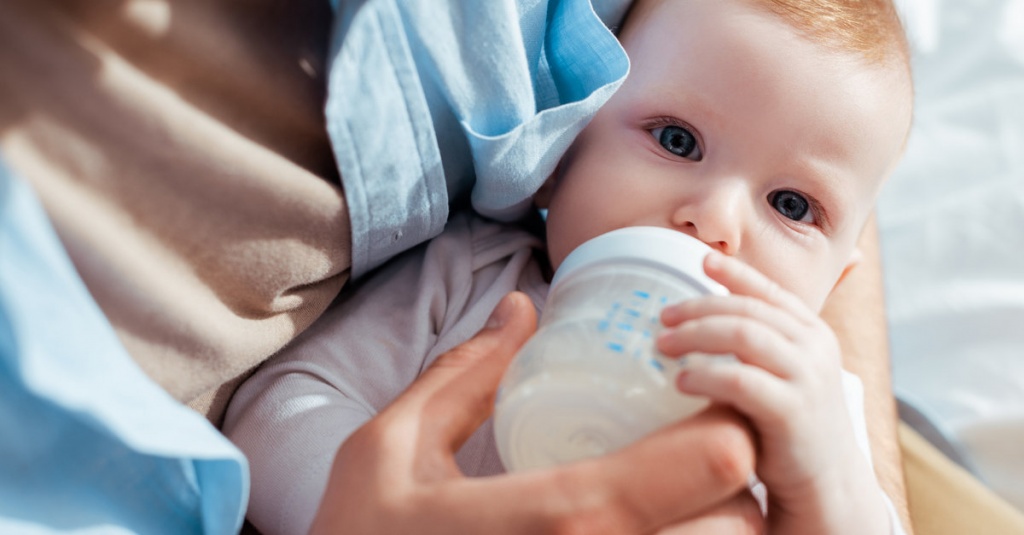
Buying baby feeding gear can get expensive quickly. Bowls, spoons, bibs, bottles, cups, plates, freezer trays, storage containers, high chairs, splash mats, snack cups, lunch boxes, and silicone feeders all promise to make feeding easier. Many products also use words like non-toxic, clean, eco-friendly, BPA-free, food-grade, premium, or pediatrician-approved. For parents trying to avoid unnecessary exposure, it can feel like the safest option is always the most expensive one.
The truth is more practical. You do not need a luxury feeding setup to feed your baby safely. Non-toxic feeding gear is mostly about choosing the right materials for the right use, avoiding damaged items, not heating food in plastic, cleaning gear properly, and buying only what you will actually use.
At Clean Baby Bites, we believe clean feeding should be realistic. Good feeding gear should support safe meals without creating clutter, guilt, or overspending.
Start with What You Actually Need
Before buying anything, make a short list of what your baby truly needs for their current feeding stage. Many parents buy too much too soon. A baby just starting solids may only need a safe high chair or feeding seat, a few soft spoons, two or three small bowls, bibs, a few storage containers, and maybe a freezer tray.
You do not need a full set of plates, snack cups, lunch boxes, divided trays, suction bowls, and toddler utensils on day one. Babies grow quickly, and feeding needs change. Buying slowly helps you avoid spending money on products your baby never uses.
Parents who are beginning solids can review Clean Baby Bites’ starting solids guide to match gear with the baby’s actual feeding stage.
The cleanest purchase is often the one you do not buy until you really need it.
Understand What “Non-Toxic” Really Means
“Non-toxic” is a popular marketing word, but it can be vague. A product may use the word without explaining much. Instead of trusting the front label, look for specific information: material type, food-contact safety, care instructions, heat limits, dishwasher guidance, and whether the product is intended for babies.
A useful product label may mention food-grade silicone, stainless steel, glass, untreated wood for certain uses, or BPA-free plastic. But even then, how you use the product matters. A BPA-free plastic container may still not be the best choice for heating food. A glass container may be safer for warming food but not allowed at daycare. A silicone bowl may be practical, but it still needs proper cleaning.
Non-toxic feeding gear is not about one perfect material. It is about safe materials used correctly.
Avoid Heating Food in Plastic
One of the simplest ways to reduce exposure without spending much money is to avoid heating baby food in plastic. If you use plastic containers for storage or travel, transfer food to glass, ceramic, or another heat-safe dish before warming.
The American Academy of Pediatrics advises avoiding microwaving food or beverages in plastic when possible, including infant formula and pumped human milk.
This habit matters because heat can increase the chance of chemicals moving from plastic into food. Even if a container says microwave-safe, many parents prefer using glass or ceramic for warming baby food.
You do not need to replace every plastic item immediately. Start by changing the heating habit first. That costs almost nothing.
Know the BPA Basics
BPA is one of the most familiar concerns in baby feeding gear. It has been used in some plastics and food-contact materials. Many modern baby products are labeled BPA-free, and the FDA has amended regulations so BPA-based polycarbonate resins are no longer used in baby bottles and sippy cups.
However, BPA-free does not automatically mean a product is the best option for every use. Other materials and additives may still matter, especially with heat, wear, and repeated use.
A practical approach is to choose BPA-free when buying plastic baby products, avoid heating plastic, replace damaged plastic, and use glass, stainless steel, or silicone where they make sense.
Parents can explore Clean Baby Bites’ feeding gear guide for more help choosing realistic gear.
Choose Glass for Storage When Practical
Glass containers are useful for storing and warming baby food because they do not stain easily, do not hold odors as much as plastic, and are generally a strong option for reheating when labeled heat-safe. They are especially helpful for homemade purees, leftovers, and small meal portions.
But glass is not always practical. It can break, it may be heavy, and some daycares do not allow glass containers. If you use glass, choose small freezer-safe or heat-safe containers with secure lids. Check for chips or cracks and stop using damaged pieces.
You do not need a full expensive glass set. A few small containers may be enough. Use them for warming and fridge storage, then use lighter options for travel if needed.
Use Stainless Steel for Durability
Stainless steel can be a great material for bowls, lunch containers, snack cups, and divided containers. It is durable, long-lasting, and does not break like glass. It is also useful for daycare or travel when glass is not allowed.
The downside is that stainless steel cannot go in the microwave. If food needs warming, you may need to transfer it to another container or use warm water methods if appropriate.
Stainless steel products can be more expensive upfront, but they often last longer than plastic. To avoid overspending, buy one or two pieces first and see if they fit your routine.
For city parents packing food for daycare, stainless steel can be especially practical.
Food-Grade Silicone Can Be Useful
Silicone feeding gear is popular for baby bowls, bibs, freezer trays, spoons, cups, and teethers. Food-grade silicone can be flexible, durable, and easy to clean. Silicone freezer trays are especially useful for freezing small portions of baby food.
However, not all silicone products are equal. Choose products from reputable brands that clearly state food-grade silicone and care instructions. Avoid silicone items with strong chemical smells, unknown sourcing, or unclear safety information.
Silicone can also hold odors or become greasy if not cleaned well. Wash according to instructions and replace items that become damaged, sticky, torn, or difficult to clean.
A few silicone basics can be helpful, but you do not need every silicone feeding product available.
Be Careful with Bamboo and Wood
Bamboo plates and wooden bowls look natural and beautiful, but parents should check how they are made. Some bamboo products use binders, coatings, paints, or adhesives. Others may not be dishwasher-safe or may crack over time.
Wood and bamboo can be fine for some uses, but they need careful cleaning and drying. Cracks can trap food and bacteria. If a product is coated, check whether the coating is food-safe and suitable for baby feeding.
Avoid buying bamboo or wood only because it looks “clean.” Natural-looking does not always mean safer or easier. For babies, easy cleaning matters a lot.
Replace Damaged Gear
One of the cheapest non-toxic habits is replacing damaged items. Scratched plastic, cracked bowls, torn silicone, chipped glass, rusty metal, peeling coatings, and warped containers should not be used for baby food.
Damaged gear can trap food, become harder to clean, or break during use. Scratched plastic may also be more likely to hold odors, stains, and residues.
You do not need to replace everything at once. Check your feeding items every few weeks. Remove anything that is damaged and replace only what you truly use.
A small set of clean, intact gear is better than a large drawer full of worn-out items.
Buy Fewer, Better Items
Overspending often happens when parents buy too many cheap items that do not last. A better strategy is to buy fewer pieces that are durable and useful.
For example, instead of buying ten bowls, buy two or three bowls you like. Instead of buying several freezer systems, buy one silicone tray that fits your freezer. Instead of buying many snack cups, buy one that is easy to clean and travel-friendly.
Think about your real routine. Do you cook at home? Pack daycare meals? Use pouches? Freeze purees? Travel often? Live in a small apartment? Your answers should guide what you buy.
Clean feeding gear should solve real problems, not create clutter.
Do Not Buy Full Sets Too Early
Full feeding sets may include plates, bowls, spoons, cups, forks, bibs, mats, and containers. They look convenient, but babies may not need everything right away. Some babies dislike certain spoon shapes. Some bowls do not stick well to your high chair tray. Some plates are too large for your space.
Start with a few basics. Add more only when you know what works.
A baby who is just starting solids may not need divided plates yet. A baby eating purees may not need snack cups. A baby who is not ready for open-cup practice may not need several cups immediately.
Buying in stages prevents waste.
Prioritize Easy Cleaning
A feeding item is not useful if it is hard to clean. Baby food gets into corners, lids, valves, suction bases, seams, and spoon grooves. Gear that looks cute but traps food can become frustrating and less hygienic.
The CDC recommends separating infant feeding parts, rinsing them under running water, washing them, and allowing them to air-dry properly; dishwasher-safe items can be cleaned in a dishwasher using hot water and a heated drying or sanitizing setting when possible.
Choose items with simple shapes, fewer parts, and clear cleaning instructions. If a cup has many tiny valves or a bowl has hard-to-clean suction pieces, ask whether you will actually clean it well every day.
Cleanable gear is safer gear.
Think About Dishwasher Use
Dishwashers can make life easier, but not every item belongs in one. Check product instructions. Some plastics, silicone pieces, bamboo items, and insulated containers may have special care requirements.
If you use the dishwasher, place small parts in a basket so they do not fall into the filter. Make sure items are fully dry before storing them, because trapped moisture can cause odor or mold.
If you do not have a dishwasher, choose gear that is easy to hand wash. City parents and apartment families may especially need simple items that do not require long cleaning routines.
For practical small-space feeding support, visit Clean Baby Bites’ urban parenting and feeding page.
Choose a Safe High Chair Before Fancy Accessories
If you are deciding where to spend money, prioritize a safe feeding seat over trendy accessories. A stable high chair or feeding seat helps your baby sit upright and safely during meals.
Look for a chair that fits your space, is easy to clean, and supports proper seated feeding. Avoid chairs with too many fabric parts if cleanup will become difficult. A simple wipeable chair may be better than a beautiful one that traps food everywhere.
Accessories like splash mats, special plates, and snack cups can come later. Safe positioning and supervision matter more.
Feeding Spoons: Soft and Simple
Baby spoons do not need to be expensive. Look for spoons that are soft enough for a baby’s mouth, easy for caregivers to hold, and easy to clean. Silicone-tipped spoons are popular, but stainless steel baby spoons or simple BPA-free options can also work depending on the baby’s age and comfort.
Avoid spoons that are too deep, too hard, or awkward to clean. You only need a few at first.
If your baby likes self-feeding, preloaded spoons may help. Choose spoons that are safe for that stage and supervise closely.
Cups: Start Practical
Parents can spend a lot on baby cups. Open cups, straw cups, weighted straw cups, training cups, spill-proof cups, stainless cups, silicone cups, and plastic cups all exist. You do not need all of them.
Ask your pediatrician or feeding professional if you have specific concerns, but many families start with a small open cup and/or a simple straw cup when age-appropriate. Choose options that are easy to clean and not full of complicated parts.
Avoid cups with hidden valves that are hard to wash unless you are committed to cleaning them carefully.
The best cup is one your baby can learn from and you can clean well.
Storage Containers for Tiny Fridges
If you have a small fridge, choose stackable containers. Small glass containers, stainless containers, or silicone trays can help with baby portions. Avoid bulky sets that take over your fridge.
For freezer meals, silicone trays are useful because they make small cubes. Once frozen, move cubes into labeled freezer bags or containers to save space.
Clean Baby Bites’ recipes and meal ideas can help you plan small-batch meals that match compact storage.
Good storage gear should make clean feeding easier, not crowd your kitchen.
Avoid Single-Use When Possible
Single-use pouches, plastic bags, disposable spoons, and snack wrappers can be convenient, especially outside the home. But reusable gear can save money over time.
That said, do not make reusable gear so complicated that you stop using it. A reusable pouch that is hard to clean may not be worth it. A simple small container may work better.
Use single-use items when they truly help, such as travel or emergencies, but build your daily routine around durable items when possible.
Balance matters.
Do Not Fall for Fear-Based Marketing
Some brands make parents feel that ordinary feeding gear is dangerous and only their expensive product is safe. Be careful with fear-based marketing.
Look for clear material information, care instructions, safety testing claims that make sense, and practical design. Avoid products that use vague terms without details or make dramatic claims.
Non-toxic feeding gear does not need to be luxury gear. A simple glass container, stainless bowl, silicone freezer tray, and soft spoon can do more than a drawer full of trendy products.
Parents can use Clean Baby Bites’ avoiding toxins page to focus on practical exposure reduction instead of panic buying.
Buy Secondhand Carefully
Buying secondhand can save money, but baby feeding gear should be chosen carefully. High chairs, stainless containers, glass containers, and some durable items may be fine if they are in good condition and meet current safety expectations.
Be cautious with old plastic feeding items, damaged silicone, worn cups, scratched containers, recalled products, or items with missing parts. Older plastic may not meet newer standards, and damage can make cleaning harder.
Check for recalls when buying secondhand high chairs or feeding seats. Avoid anything unstable, cracked, or missing straps.
Saving money is good, but safety comes first.
Build a Budget-Friendly Starter Kit
A practical starter kit might include:
Two small bowls.
Three soft spoons.
Two bibs.
One safe feeding seat or high chair.
Two or three small storage containers.
One silicone freezer tray.
One simple cup when age-appropriate.
This is enough for many families at the beginning. You can add items later as your baby grows.
If daycare requires special containers or labels, buy those only when needed.
Final Thoughts
Choosing non-toxic feeding gear does not have to mean overspending. The smartest approach is to buy fewer items, choose materials based on use, avoid heating food in plastic, replace damaged gear, and prioritize easy cleaning.
Glass is useful for storage and warming. Stainless steel is durable for travel and daycare. Food-grade silicone can work well for freezer trays, bibs, and bowls. Plastic can still be used carefully, especially when not heated or damaged. Bamboo and wood should be chosen thoughtfully because coatings, cracks, and cleaning matter.
The best feeding gear is safe, simple, durable, and actually useful in your daily routine. You do not need every trendy product to feed your baby cleanly.
For more practical baby feeding guidance, visit the Clean Baby Bites blog or explore the Clean Baby Bites FAQ for answers about clean foods, feeding gear, starting solids, toxins, and baby meal ideas.