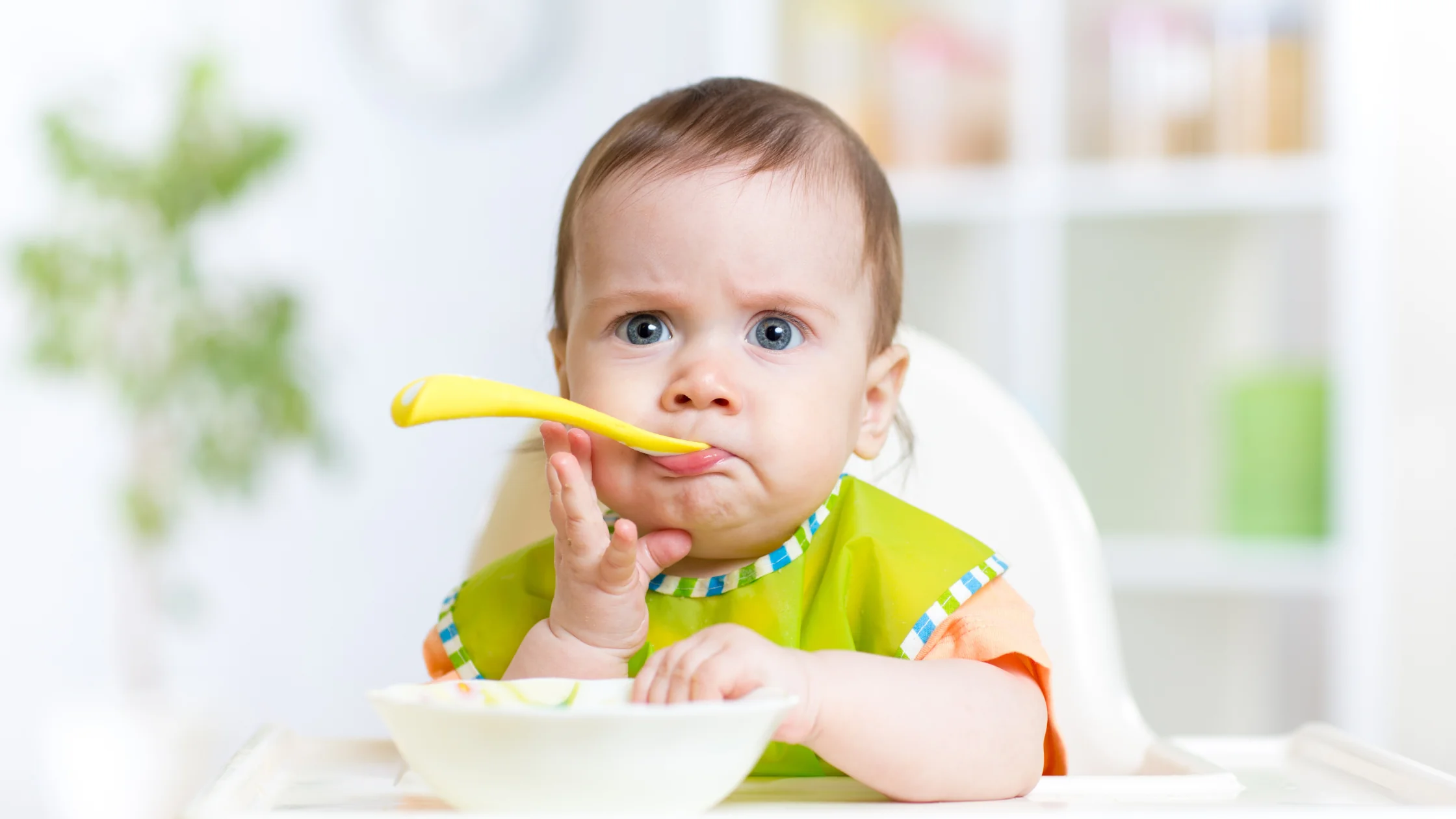
When babies start solids, parents quickly realize that food is only one part of the feeding setup. Bowls, cups, spoons, plates, storage containers, bibs, and trays all touch the food before it reaches the baby’s mouth. That is why many parents ask an important question: what are the safest materials for baby feeding gear?
The answer is not one perfect material. Glass, stainless steel, silicone, ceramic, bamboo, wood, and plastic all have benefits and limits. The safest choice depends on how the item will be used, whether it will be heated, how easy it is to clean, whether it is damaged, and whether it fits your baby’s stage.
At Clean Baby Bites, we believe clean feeding should be practical, not fear-based. Parents do not need to replace everything overnight. A few smart choices can reduce unnecessary exposure while keeping meals simple, affordable, and realistic.
Why Feeding Materials Matter
Baby feeding gear matters because it comes into direct contact with food. A bowl may hold warm puree. A spoon goes into your baby’s mouth many times. A cup may hold water, milk, or formula. A storage container may sit in the fridge or freezer. If the material is damaged, hard to clean, or used incorrectly, it may create avoidable concerns.
Material safety is also connected to heat. Some materials are better for warming food. Others are better for travel. Some are durable but not microwave-safe. Some are lightweight but may wear out faster.
Parents should think about three questions before buying feeding gear: Will this touch hot food? Will my baby put it in their mouth? Can I clean it properly every day?
Clean feeding is not only about ingredients. It is also about the tools used to prepare, store, and serve the food.
Stainless Steel: Durable and Practical
Stainless steel is one of the safest and most practical materials for baby feeding gear. It is strong, long-lasting, hard to break, and usually easy to clean. Stainless steel bowls, cups, lunch containers, and snack containers can work well for babies and toddlers.
One major benefit is durability. Stainless steel does not crack like plastic, chip like ceramic, or break like glass. This makes it useful for daycare, travel, stroller bags, and busy homes.
The main limit is that stainless steel cannot go in the microwave. If you need to warm food, transfer it to a microwave-safe glass or ceramic dish first, then serve it in stainless steel after cooling. Stainless steel can also feel cold or hard for very young babies, so soft silicone spoons may still be better for early feeding.
For parents buying fewer items, stainless steel is a smart long-term choice because it often lasts through multiple feeding stages.
Glass: Great for Storage and Warming
Glass is another strong option, especially for baby food storage and reheating. It does not stain easily, does not hold food odors as much as plastic, and can be useful for homemade purees, leftovers, and freezer portions when the container is freezer-safe.
Glass is especially helpful because parents can warm food in it if the product is labeled heat-safe. This helps avoid heating baby food in plastic, which many parents prefer to avoid.
The American Academy of Pediatrics advises avoiding microwaving food and drinks in plastic when possible. Their information on plastic additives explains why families may choose glass or stainless steel for heating and storage.
The downside is breakage. Glass bowls and cups may not be ideal for babies learning to self-feed unless they are used with close supervision. Some daycares also do not allow glass containers. For home storage and warming, though, a few small glass containers can be very useful.
Food-Grade Silicone: Soft and Baby-Friendly
Food-grade silicone is popular for baby spoons, suction bowls, bibs, freezer trays, cups, and teethers. It is flexible, soft, and often easier for babies to handle. Silicone spoons can be gentle on gums, especially when babies are just starting solids.
Silicone suction bowls can reduce spills, though not every suction bowl works perfectly on every high chair tray. Silicone freezer trays are also useful for freezing small baby food portions.
The key is choosing high-quality, food-grade silicone from reputable brands. Avoid products with strong chemical smells, unclear material information, or very cheap unknown sourcing. Silicone can also hold odors or greasy residue if not cleaned well, so follow care instructions.
Silicone is a practical baby material, especially for early feeding. It works best when it is intact, easy to clean, and used according to the manufacturer’s guidance.
For more practical product ideas, visit Clean Baby Bites’ feeding gear guide.
Plastic: Convenient but Use Carefully
Plastic is common because it is lightweight, affordable, and hard to break. Many baby bowls, cups, spoons, snack containers, and storage items are plastic. Plastic can be practical, especially for travel and daycare, but it should be used carefully.
Choose BPA-free products intended for baby feeding. The FDA explains that regulations were amended so BPA-based polycarbonate resins are no longer used in baby bottles and sippy cups. Their page on BPA in food-contact applications gives more background.
Still, BPA-free does not mean plastic should be used for everything. Avoid heating baby food in plastic when possible. Replace plastic items that are scratched, cloudy, warped, stained, cracked, or peeling. Damaged plastic can be harder to clean and may not be ideal for repeated baby food use.
Plastic is not automatically bad, but it is best for cool or room-temperature foods, travel, and short-term use rather than daily heating.
Ceramic: Useful but Check for Damage
Ceramic bowls and cups can be good for serving and warming food if they are food-safe and lead-free. Ceramic is often heavier than plastic or silicone, which can make it stable on the table. It can also be easy to clean.
However, ceramic can chip or break. Chipped ceramic should not be used for baby feeding because cracks and chips can trap food or create sharp edges. Parents should also choose products clearly intended for food use, especially with glazes.
Ceramic may be better for parent-fed meals at home than for baby self-feeding. If your baby is in the throwing stage, ceramic may not be the most practical choice.
As with glass, ceramic is useful when supervised and handled carefully.
Bamboo and Wood: Natural-Looking but Not Always Easier
Bamboo and wooden feeding gear look clean and natural, which makes them appealing to many parents. Some bowls and plates combine bamboo with silicone suction bases. These products can be attractive and lightweight.
But natural-looking does not always mean safer or easier. Bamboo products may use binders, coatings, adhesives, or finishes. Wooden items can crack, absorb moisture, or become difficult to sanitize if not cared for properly.
If choosing bamboo or wood, look for food-safe products from reputable brands. Follow washing instructions carefully. Many bamboo items should not be soaked or placed in the dishwasher. Replace anything that cracks, splinters, peels, or smells odd.
Bamboo and wood can be fine for some families, but they are not automatically better than stainless steel, glass, or silicone.
Best Materials for Baby Bowls
For baby bowls, the best materials are usually food-grade silicone, stainless steel, glass, or ceramic, depending on use.
Silicone bowls are useful for early feeding because they are soft, lightweight, and often have suction bases. They are good for babies learning to scoop or touch food.
Stainless steel bowls are durable and great for long-term use. They are good for daycare, travel, and older babies, but they cannot be microwaved.
Glass bowls are great for warming and storage, but they require supervision because they can break.
Ceramic bowls can work well at home if they are food-safe and undamaged, but they are not ideal if your baby throws dishes.
For many families, two silicone bowls and a few small glass storage containers are enough at the beginning.
Best Materials for Baby Cups
Baby cups need to be safe, easy to clean, and suitable for the baby’s stage. Small open cups may be made from silicone, stainless steel, glass, or plastic. Straw cups may include silicone straws, plastic lids, stainless bodies, or mixed materials.
Silicone cups are soft and easy for babies to hold, but they can tip easily if very lightweight. Stainless steel cups are durable and useful for toddlers. Glass cups should only be used with close supervision and may not be practical for early cup learning. Plastic cups are lightweight, but parents should avoid heating liquids in plastic and replace damaged pieces.
The most important cup feature is cleanability. Some straw cups have many tiny parts, valves, or hidden spaces that can trap liquid. If a cup is too hard to clean, it may not be the best choice.
Choose a cup you can wash thoroughly every day.
Best Materials for Baby Spoons
Baby spoons should be gentle, easy to clean, and comfortable for the caregiver or baby to use. For early feeding, soft silicone-tipped spoons are often helpful because they are gentle on gums.
Stainless steel baby spoons can work well for older babies or toddlers, especially when designed with smooth edges. Plastic spoons are lightweight and common, but they should be BPA-free, undamaged, and not used with very hot food. Wooden spoons may be harder to sanitize if they become cracked or rough.
For most families, a few soft silicone spoons are enough at the beginning. You do not need a large spoon set.
Parents can explore Clean Baby Bites’ starting solids page for more support on early spoon feeding and texture readiness.
Cleaning Matters as Much as Material
Even the safest material can become a problem if it is not cleaned well. Baby food can stick inside cup valves, spoon grooves, suction bases, straw parts, and container lids.
The CDC recommends taking apart infant feeding items, washing them carefully, and allowing them to air-dry fully. Their guide on cleaning and sanitizing infant feeding items is useful for parents who want safe daily routines.
Choose gear with fewer hidden parts when possible. If a cup has five tiny pieces and you know you will not clean them thoroughly, a simpler cup may be safer.
Clean gear is practical gear.
Avoid Heating in Plastic
One of the easiest safety habits is to transfer baby food to glass or ceramic before heating. Even if a plastic container is labeled microwave-safe, many parents prefer not to heat baby food in plastic.
Microwave-safe often means the container is less likely to melt or warp under normal microwave use. It does not always mean it is the best choice for baby food heating.
Warm the food, stir it well, check for hot spots, and let it cool before serving. Babies can be burned by unevenly heated food, especially purees.
For more clean prep ideas, visit Clean Baby Bites’ avoiding toxins page.
Replace Gear When It Wears Out
Feeding gear does not last forever. Replace items that are scratched, cracked, chipped, torn, stained, warped, sticky, peeling, rusty, or difficult to clean.
This matters for every material. Plastic can scratch. Silicone can tear. Glass can chip. Ceramic can crack. Bamboo can split. Stainless steel can dent or develop rough edges if damaged.
A small set of well-maintained gear is safer than a large collection of worn-out items.
Review your feeding gear every month or two, especially if your baby is teething, throwing dishes, or chewing spoons.
Do Not Overspend on Full Sets
Parents often feel pressured to buy complete feeding sets. But babies do not need everything at once. Start with a small setup: a few soft spoons, two bowls, a safe cup when age-appropriate, and a few storage containers.
As your baby grows, add what you actually need. If your baby goes to daycare, you may need travel containers. If you freeze food, you may need a silicone tray. If your baby starts self-feeding, you may want a suction bowl or divided plate.
Clean Baby Bites’ urban parenting and feeding page can help parents keep feeding routines compact and realistic.
Buying slowly prevents clutter and saves money.
Think About Daycare Rules
Daycare can affect material choices. Some centers do not allow glass. Some require labeled containers. Some prefer plastic or stainless steel. Some have rules around reheating.
Before buying daycare gear, ask what materials are allowed. A beautiful glass container is not useful if daycare sends it back. Stainless steel or BPA-free plastic may be more practical for travel, while glass can stay at home for warming and storage.
Clean feeding should work with your actual routine, not just your ideal kitchen setup.
A Practical Material Plan
A simple feeding gear plan might look like this:
Use glass for home storage and warming.
Use silicone for early spoons, bibs, freezer trays, and suction bowls.
Use stainless steel for durable bowls, snack containers, and daycare meals.
Use plastic carefully for travel or daycare when needed, but avoid heating it and replace damaged pieces.
Use bamboo or wood only if food-safe, easy to clean, and well maintained.
This plan gives parents flexibility without needing to buy every product in every material.
Final Thoughts
The safest bowl, cup, and spoon materials for babies depend on how you use them. Stainless steel is durable and practical. Glass is excellent for storage and warming. Food-grade silicone is soft and useful for early feeding. Ceramic can work well at home if it is food-safe and undamaged. Plastic can be convenient but should not be heated and should be replaced when worn. Bamboo and wood can be used carefully, but they are not automatically safer.
Parents do not need a perfect feeding setup. A few smart habits make the biggest difference: avoid heating food in plastic, choose easy-to-clean gear, replace damaged items, buy fewer better pieces, and match materials to your real routine.
Clean feeding includes food, storage, serving, and cleanup. The best gear is safe, simple, affordable, and easy to use every day.
For more practical baby feeding guidance, visit the Clean Baby Bites blog or explore the Clean Baby Bites FAQ for answers about feeding gear, clean foods, starting solids, toxins, and baby meal ideas.