Simple Purées That Build Flavor (Not Just Texture)
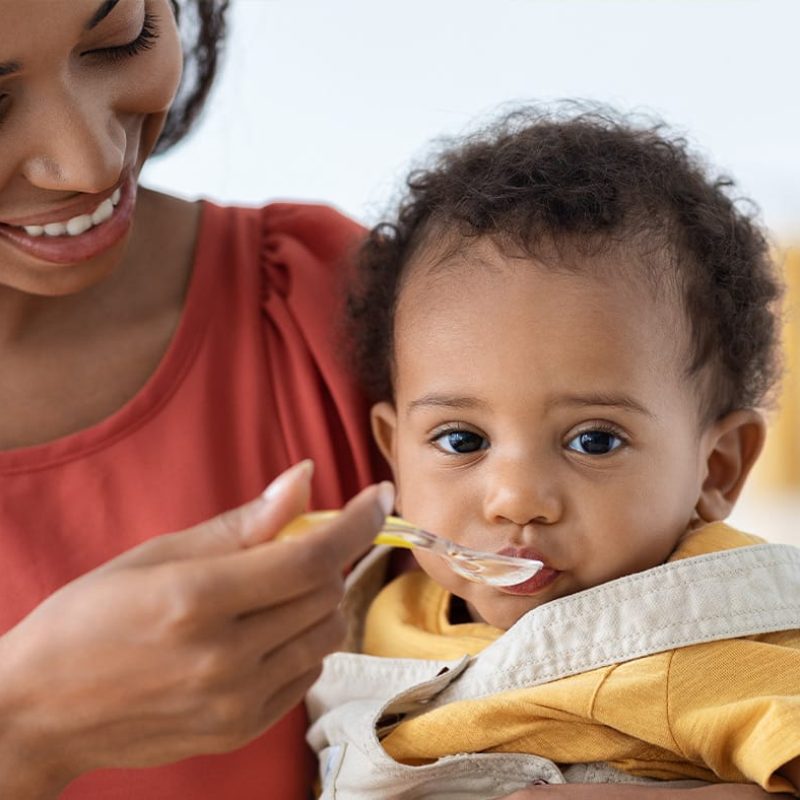
Simple purées are often a baby’s first experience with food — and they don’t need to be bland or repetitive to be safe. The goal early on is exposure: letting babies taste real foods in gentle, manageable textures while learning how eating works.
Single-ingredient purées like sweet potato, pear, carrot, avocado, peas, or lentils are excellent starting points. They’re easy to digest, naturally flavorful, and adaptable as your baby’s skills grow. As confidence increases, combining two or three ingredients can introduce balance and variety without overwhelming sensitive palates.
Purées don’t need added salt, sugar, or seasoning. Babies are especially sensitive to natural flavors, and keeping things simple allows them to recognize food for what it is. Herbs like cinnamon, basil, or mild spices can be introduced gradually once babies are comfortable with basic flavors.
For apartment kitchens, purées don’t require fancy equipment. A small blender, immersion blender, or even a fork works for many foods. Batch cooking on weekends and freezing small portions helps save time during the week.
Purées are not a “step to move past” — they’re a useful format that can evolve alongside your baby. Thicker textures, soft lumps, and mixed consistencies help bridge the gap between spoon-feeding and self-feeding naturally.
Gentle Finger Foods for Early Self-Feeding
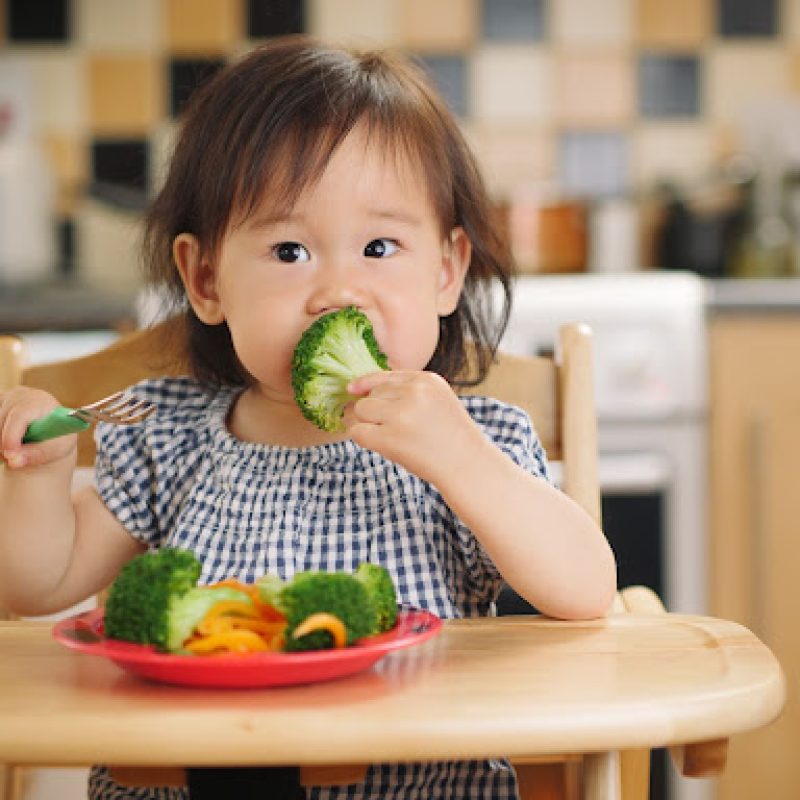
Finger foods allow babies to explore food independently, practice coordination, and build confidence. The key is texture — foods should be soft enough to mash between your fingers and cut into shapes that are easy to grasp.
Great beginner finger foods include roasted vegetable sticks, ripe fruit slices, soft pasta, shredded chicken, scrambled eggs, and toast fingers spread with mashed avocado or yogurt. These foods encourage chewing without creating unnecessary risk.
Finger foods don’t have to replace purées right away. Many families offer both at the same meal — a spoon-fed option alongside a finger food — allowing babies to choose how they engage.
In small apartments, cleanup matters. Using a washable mat under the high chair and serving manageable portions helps keep mess under control while still allowing exploration.
Self-feeding is messy, slow, and imperfect. Babies may drop food repeatedly or refuse items they accepted yesterday. That’s part of learning, not a sign to stop offering variety.
Beginner Proteins & NYC/NJ-Inspired Flavors
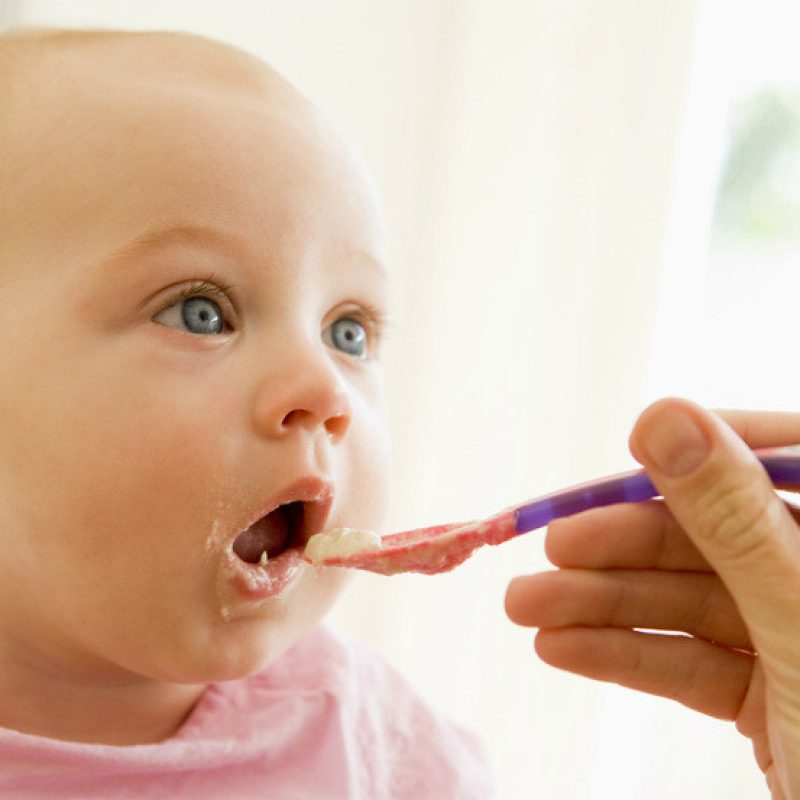
Protein introduction often raises questions, but it doesn’t need to be complicated. Soft, well-cooked proteins help support growth and iron intake without overwhelming new eaters.
Good beginner proteins include lentils, beans, eggs, yogurt, tofu, shredded poultry, flaky fish, and finely minced meat mixed into familiar textures. These foods can be served mashed, shredded, or blended depending on your baby’s stage.
NYC/NJ-inspired flavors can gently expand your baby’s palate without added salt or sugar. Think lentils with cumin, roasted vegetables with garlic and olive oil, or chicken mixed with herbs like parsley or oregano. These flavors reflect real family food — just adapted for safety.
Protein meals don’t need to look special. Babies can eat simplified versions of what the family eats, prepared without seasoning and modified for texture.
Introducing protein early and often helps normalize savory flavors and supports long-term acceptance of diverse foods.
Apartment-Friendly Meals, Batch Cooking & Safe Ingredients
Busy city life means meals need to be fast, flexible, and forgiving. Ten-minute meals like oatmeal with mashed fruit, yogurt with nut butter, scrambled eggs, or leftover roasted vegetables can form the backbone of everyday feeding.
Batch cooking helps reduce stress. Cooking larger portions of vegetables, grains, or proteins once or twice a week allows you to mix and match meals quickly. Freezing small portions makes weekday feeding easier without relying solely on packaged foods.
Breakfast, lunch, and dinner don’t need to be distinct categories for babies. The same foods can appear at different times of day — what matters is balance and exposure.
Avoid added salt, sugar, honey, and highly processed ingredients. Babies don’t need sweeteners, and excess sodium can strain developing kidneys. Reading labels and cooking from simple ingredients helps keep meals clean and safe.
Feeding babies in apartments isn’t about gourmet cooking — it’s about creating routines that work. When meals are simple, flexible, and realistic, feeding becomes less stressful and more sustainable.