Heavy Metals in Baby Food: What They Are & How to Reduce Exposure
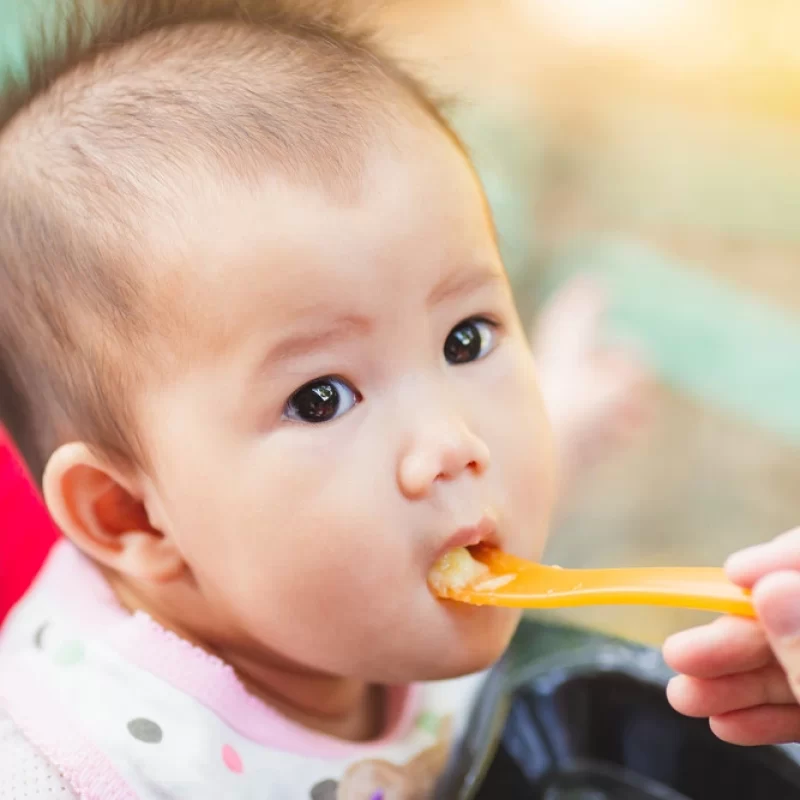
Heavy metals like arsenic, lead, cadmium, and mercury are naturally present in soil and water. That means they can show up in food — including baby food — without anyone doing anything “wrong.” The goal is reduction, not elimination.
Certain foods are more likely to contain higher levels, especially rice, root vegetables, some grains, and fruit juices. This doesn’t mean these foods are unsafe or should be avoided entirely. It means they’re best offered as part of a varied diet, not daily staples.
One of the simplest ways to reduce exposure is rotation. Rotate grains instead of relying heavily on rice-based foods. Offer a mix of vegetables rather than serving the same root vegetables every day. Avoid juice altogether — whole fruits provide fiber and lower exposure.
Store-bought baby foods are improving, with many brands testing and adjusting sourcing. Homemade food isn’t automatically lower in heavy metals — variety matters more than preparation method.
Clean feeding isn’t about panic or perfection. It’s about understanding where exposure tends to happen and making small, consistent choices that reduce overall intake over time.

Plastics, BPA & Microplastics: What Actually Matters
Plastics are everywhere in modern life, especially in small urban kitchens. While it’s unrealistic to eliminate plastic completely, you can reduce exposure by being selective about how and when plastic is used.
BPA and similar chemicals can leach into food, especially when plastics are heated or worn. Choosing BPA-free products is a good baseline, but heat is the biggest factor. Avoid microwaving baby food or formula in plastic containers whenever possible.
Microplastics are increasingly found in water and food, but the highest exposure risk comes from repeated heating, scraping, or using damaged plastic items. If plastic containers are cloudy, cracked, or peeling, it’s time to replace them.
Glass and stainless steel are the most stable storage options for baby food. Silicone can also be a good alternative when it’s food-grade and used according to manufacturer guidelines.
Reducing plastic exposure doesn’t require replacing everything at once. Start with feeding items that touch hot food or liquids most often — bottles, storage containers, and reheating vessels.
Safe Storage, Cookware & Mold Awareness
Safe food storage plays a quiet but important role in toxin reduction. In tight kitchens, it’s easy for moisture, heat, and crowding to increase the risk of spoilage or mold.
Use airtight containers and store baby food separately from strong-smelling or mold-prone items when possible. Refrigerate opened foods promptly and follow realistic timelines — homemade and opened store-bought foods shouldn’t linger.
Mold-prone foods include soft fruits, bread, nuts, grains, and cheeses. Discard items at the first sign of mold rather than cutting around it, as mold can spread invisibly.
When it comes to cookware, prioritize stability. Stainless steel, cast iron, and enamel-coated cookware are generally reliable choices. Nonstick cookware should be in good condition — if it’s scratched or peeling, replace it.
Clean feeding doesn’t require special cookware for babies. It requires cookware that’s well-maintained, cleaned regularly, and appropriate for the food being prepared.
Water Quality, Plumbing & Produce Safety in Urban Homes
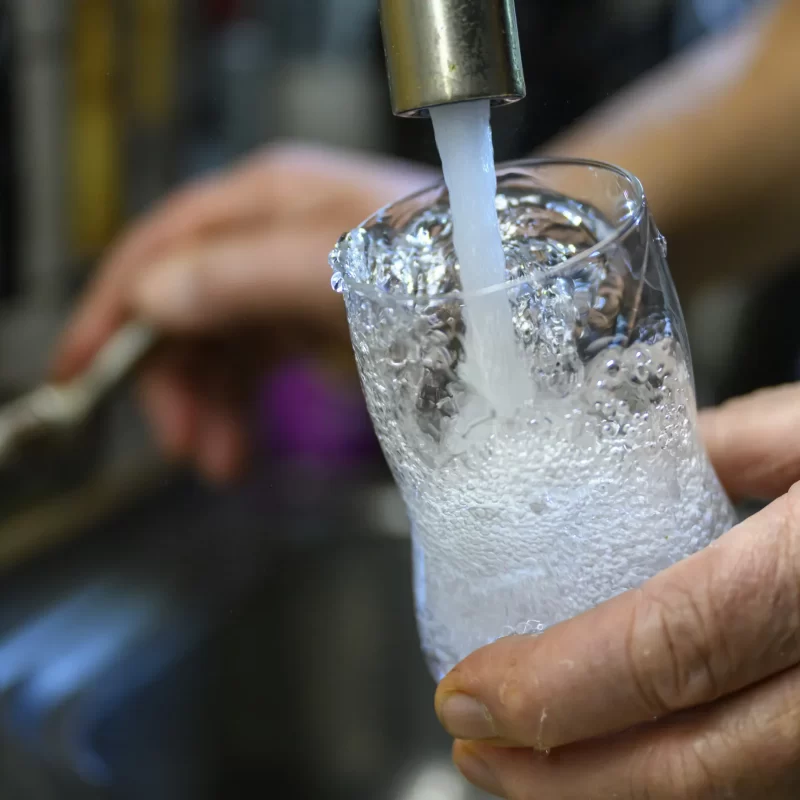
Water quality is an important consideration for families living in older buildings. Aging plumbing may contain lead pipes or fixtures, which can affect water used for drinking, cooking, or mixing formula.
If you live in an older NYC/NJ building, using cold water for cooking and formula mixing is recommended, as hot water can leach more contaminants from pipes. Let water run briefly before use if it’s been sitting in the pipes.
Many families choose to use filtered water for drinking and formula preparation. A certified filter can reduce lead and other contaminants without changing daily routines significantly.
Produce safety matters, too. Washing fruits and vegetables thoroughly under running water helps remove surface residues. For produce known to retain pesticides, choosing organic when possible can reduce exposure.
Avoiding toxins in urban environments isn’t about creating a perfect bubble — it’s about understanding your surroundings and making informed, manageable choices that fit real life.