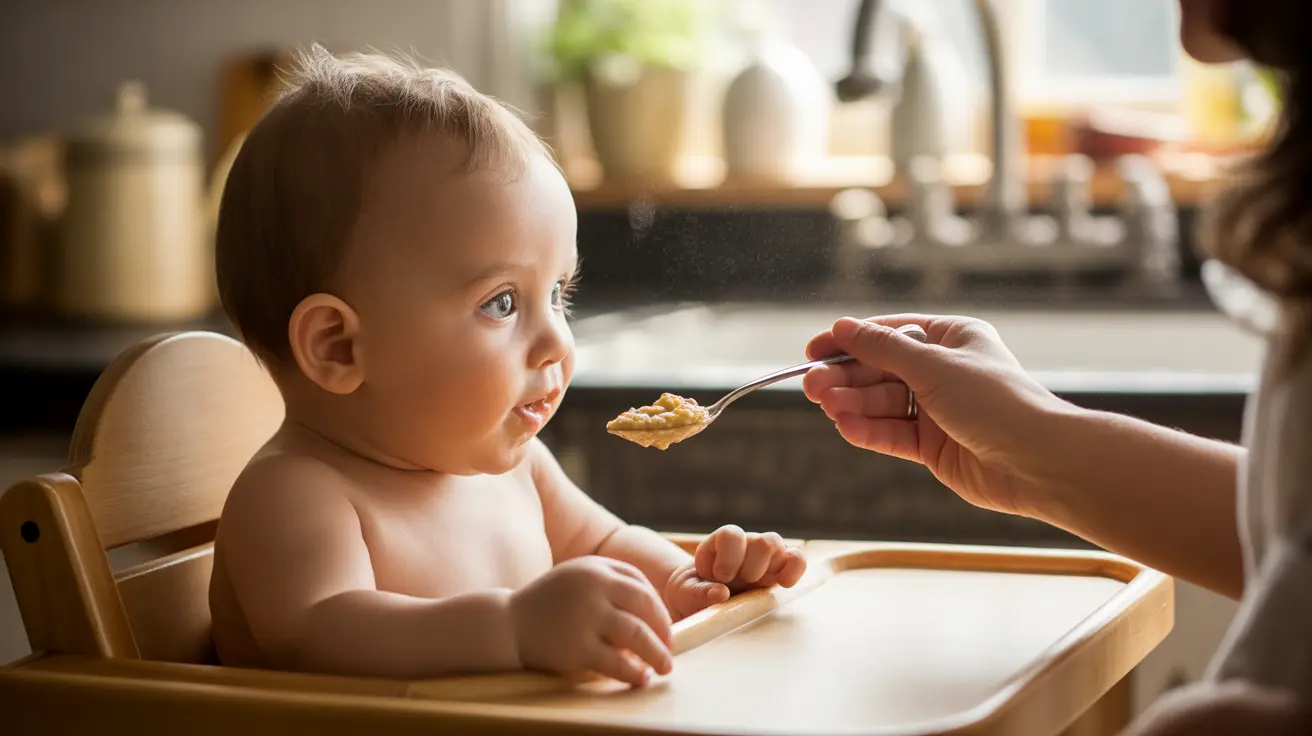
The transition from breast milk or formula to solid foods is one of the most exciting milestones in your baby’s first year. It’s a messy, memorable adventure that marks the beginning of their journey toward becoming a little foodie. However, it can also be a source of significant anxiety for parents. You might find yourself staring at your baby in their high chair, wondering, “Are they really ready, or am I just rushing this?”
There is no “one-size-fits-all” date on the calendar for this milestone. While the general recommendation is around six months, every baby develops at their own unique pace. Before you start stocking your kitchen with purees or preparing for baby-led weaning, it is crucial to look for the biological and behavioral signs that indicate your baby’s digestive system and physical coordination are prepared for the task.
Here is how to tell if your little one is truly ready to start their solid food journey.
1. The Physical Milestone: Head and Neck Control
The most fundamental requirement for eating solids is physical stability. Your baby needs to be able to hold their head upright and steady without needing external support. When sitting in a high chair or a supported seat, their head shouldn’t be wobbling or flopping forward. As you prepare your kitchen for this stage, scheduling On-site drinking water testing in Queens provides laboratory assurance that the water you introduce is free of contaminants.
Why does this matter? Good head and neck control are directly linked to your baby’s ability to swallow safely. If they cannot hold their head up, they are at a higher risk of choking because they cannot properly manage the food in their mouth or protect their airway. If you’re just starting to think about the logistics, check out our feeding gear recommendations to ensure you have a seat that provides the proper posture for a beginner.
2. Sitting With Minimal Support
Beyond just holding their head up, your baby should be able to sit with minimal support. They don’t need to be able to sit independently for long periods, but they should be able to hold their torso upright while in a high chair.
When a baby is slumped over or leaning heavily to one side, it is difficult for them to focus on the complex mechanics of moving food from the front of their mouth to the back of their throat. Strong core stability helps keep their airways clear and makes mealtime much more comfortable and successful.
3. The Diminished Tongue-Thrust Reflex
If you have ever tried to feed your newborn a bit of breast milk on a spoon and watched them push it right back out, you’ve witnessed the “tongue-thrust reflex.” This is a natural, protective mechanism that prevents babies from choking on foreign objects.
As your baby approaches six months, this reflex typically starts to fade. You will notice that they stop pushing everything that touches their lips out of their mouth. If your baby is still aggressively pushing their tongue forward every time food approaches, it is a strong sign that their mouth is not yet ready to manage the logistics of swallowing solids.
4. Showing Interest in Your Food
Have you noticed your baby watching you intensely while you eat? Maybe they are reaching for your fork, trying to grab your sandwich, or mimicking your chewing motions.
This curiosity is a hallmark of developmental readiness. Babies are natural mimics, and their interest in your meals is a clear sign that they are becoming developmentally interested in the world of food. This is often the perfect time to begin your journey with starting solids by allowing them to observe you eating and letting them explore textures safely.
5. Reaching and Grabbing
Hand-eye coordination plays a massive role in feeding. When a baby is ready for solids, they start to develop the ability to reach for objects and bring them to their mouth with precision.
If your baby can pick up a toy and guide it directly to their mouth, they are developing the motor skills needed to feed themselves. Whether you choose to feed them with a spoon or let them explore finger foods, this hand-to-mouth coordination is a prerequisite for a positive, autonomous eating experience.
The Importance of Waiting for the Right Time
It can be tempting to start solids earlier, especially if your baby seems “hungry” or is waking up frequently at night. However, research suggests that the American Academy of Pediatrics (AAP) recommends exclusive breastfeeding or formula feeding for the first six months of life.
Starting too early can increase the risk of allergies and digestive issues, as the baby’s gut lining is still maturing. It is essential to focus on high-quality, nutrient-dense ingredients when you do begin. Whether you are navigating clean baby foods or preparing your own homemade purees, the quality of the first few bites matters for their developing palate and long-term health.
Navigating the “Why” Behind Your Choices
Many parents today are looking for more than just convenience—they are looking for safety. Especially for families navigating urban parenting feeding challenges, such as finding healthy options in a busy environment or managing environmental exposures, the “clean” approach to starting solids is gaining traction.
As you start this phase, you may also find yourself concerned about additives, pesticides, or heavy metals in commercial products. Educating yourself on avoiding toxins is a proactive way to ensure that your baby’s first interactions with food are as wholesome as possible.
A Note on Patience
Once you’ve confirmed the signs—the head control is there, the tongue-thrust is gone, and the curiosity is peaked—remember that the first few “meals” are rarely about nutrition. At this stage, milk is still their primary source of calories.
The initial goal is to help your baby learn the mechanics of eating. They are learning how to move food around in their mouth, how to swallow, and how to enjoy new flavors. Don’t be discouraged if they make a face, spit it out, or only eat a single bite. Every interaction with a new flavor or texture is a developmental win.
If you find yourself stuck or overwhelmed by the process, remember that there is no rush. Take it slow, enjoy the mess, and keep it light. For inspiration on how to combine nutrients and textures, you can check out our latest recipes and meal ideas designed for developing palettes.
Final Thoughts
Watching your baby take their first bite of solid food is a milestone you’ll remember for a long time. By paying attention to the signs your baby is giving you—rather than following a strict calendar—you can ensure that the transition is safe, happy, and stress-free.
If you still have questions about your specific situation, feel free to check out our FAQ page or reach out to us if you need more guidance. Happy feeding!