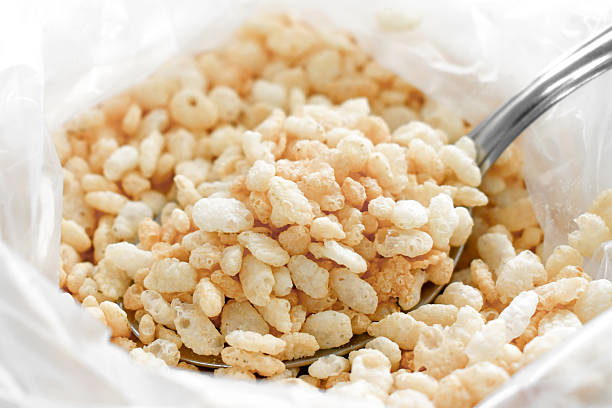
Rice cereal has been one of the most common first baby foods for decades. Many parents were told to start with rice cereal because it is soft, easy to mix, mild in flavor, and often fortified with iron. It can still be used in some situations, but today many parents are looking for safe alternatives because of concerns about arsenic in rice-based foods and the need for more variety during early feeding.
The good news is that rice cereal is not required as a first food. Babies can start solids with many safe, nourishing options when they are developmentally ready. Parents can choose iron-rich foods, soft vegetables, fruits, grains, proteins, and age-appropriate textures without relying only on rice.
At Clean Baby Bites, we believe starting solids should feel clear and realistic. Safe alternatives to rice cereal are not complicated. The goal is to offer variety, support iron needs, reduce repeated exposure to rice, and help babies learn different tastes and textures.
Why Parents Look Beyond Rice Cereal
Rice cereal became popular because it is easy to prepare and often fortified with iron. Iron is important for babies around the time solids begin because their natural iron stores start to decrease. However, rice can absorb arsenic from soil and water more easily than many other grains.
The American Academy of Pediatrics explains that rice absorbs more arsenic than other crops and recommends offering infants a variety of grains instead of relying only on rice cereal. Their guide on metals in baby food encourages parents to vary grains such as oats, barley, and other options.
This does not mean parents must panic if they have used rice cereal before. It simply means rice cereal does not need to be the everyday default. Variety is a safer and more balanced habit.
For parents beginning solids, Clean Baby Bites’ starting solids guide can help explain readiness signs and early feeding steps.
Oatmeal Cereal
Oatmeal cereal is one of the easiest alternatives to rice cereal. Like rice cereal, infant oatmeal cereal is usually soft, mild, and easy to mix with breast milk, formula, or water. Many infant oatmeal cereals are also iron-fortified, which can support a baby’s iron needs.
Oats are naturally gentle in flavor and can be served plain or mixed with fruit, yogurt, or vegetable purees as your baby progresses. Oatmeal also offers a slightly different taste and texture from rice, which helps babies experience variety early.
When choosing oatmeal cereal, look for an infant version if you want iron fortification and a texture designed for babies. Check the ingredient list for added sugar or unnecessary flavors. Plain is usually best.
Oatmeal cereal can be a simple first step for parents who want something familiar but prefer not to rely on rice every day.
Barley Cereal
Barley is another grain option that can work well for babies. Infant barley cereal may be available in some stores, and it can provide a mild, slightly nutty flavor. Barley also offers a texture that can help babies gradually adjust to more than one grain.
Like oatmeal cereal, barley cereal may be iron-fortified when sold as an infant product. This can make it useful for early solids. If you prepare barley at home for an older baby, it should be cooked until very soft and blended, mashed, or served in an age-appropriate texture.
Barley is a good example of why clean baby feeding should include variety. Babies do not need one grain every day. Rotating grains can support nutrition and reduce overreliance on rice.
For more food ideas, visit Clean Baby Bites’ clean baby foods page.
Iron-Fortified Multigrain Baby Cereal
Some baby cereals are made with a mix of grains, such as oats, barley, wheat, quinoa, or other grains. These can be useful because they naturally encourage variety. If the cereal is iron-fortified, it can also help meet an important nutrition need.
However, parents should still read labels. Some multigrain cereals may include rice as one ingredient. That does not automatically make them unsafe, but if your goal is to reduce rice exposure, choose rice-free options or rotate different cereals.
Also check for added sugar, flavors, or unnecessary ingredients. A simple fortified multigrain cereal can be helpful. A sweetened cereal with fruit flavoring may not be the best daily choice.
The CDC’s guidance on introducing solid foods explains that babies can begin solids around 6 months when they show readiness signs, and variety becomes important as feeding develops.
Lentils
Lentils are a strong alternative because they offer iron, protein, fiber, and a soft texture when cooked well. They can be cooked until very tender and blended into a smooth puree or mashed for babies who are ready for thicker textures.
Red lentils are especially easy to cook because they soften quickly. They can be mixed with vegetables such as carrots, peas, squash, or sweet potato. As babies grow, lentils can become part of soft family meals.
Lentils are not a cereal, but they can serve the same early-feeding purpose in a more nutrient-dense way. They introduce savory flavor and support iron intake, especially when paired with vitamin C-rich foods like soft fruit or vegetables.
For recipe inspiration, parents can explore Clean Baby Bites’ recipes and meal ideas.
Beans
Soft cooked beans can also be excellent for babies. Black beans, white beans, kidney beans, chickpeas, and pinto beans can be mashed or blended into a safe texture. Beans provide plant-based protein, fiber, and minerals.
For babies, beans should be cooked until very soft. If using canned beans, choose low-sodium or no-salt-added options and rinse them well. Avoid adding salt, spicy sauces, or adult seasonings that are not appropriate for babies.
Beans may cause gas in some babies, so start with small amounts and watch how your baby responds. They can be mixed with avocado, mild vegetables, or soft grains.
Beans help babies experience savory foods early, which can balance the sweetness of fruit-based purees.
Mashed Avocado
Avocado is a popular first food because it is naturally soft, easy to mash, and rich in healthy fats. It does not provide the same iron support as fortified cereals or lentils, but it can be part of a balanced early feeding routine.
Avocado can be mashed smooth with breast milk, formula, or water. It can also be served thicker as babies develop texture skills. Its mild flavor pairs well with oatmeal, beans, egg, banana, or vegetables.
Clean baby food does not need to be complicated. A ripe avocado mashed with a fork can be a simple, nourishing option.
Because avocado is filling and nutrient-dense, it can be useful for babies who are learning to enjoy solids beyond sweet purees.
Egg
Egg can be a nutrient-rich food for babies when prepared safely and introduced in an age-appropriate way. It provides protein, fat, and important nutrients like choline. Eggs should be fully cooked and served in a soft, safe texture.
Parents used to be told to delay allergenic foods, but guidance has changed. The American Academy of Pediatrics explains that introducing common allergenic foods around the time other solids are introduced may be appropriate for many babies, though families with allergy concerns should talk with their pediatrician. HealthyChildren.org provides guidance on starting solid foods, including readiness and food introduction.
Egg can be mashed with breast milk, formula, or avocado. Soft scrambled egg pieces may be appropriate as babies become ready for finger foods. Always avoid hard, dry pieces that may be difficult to manage.
Meat and Poultry Purees
Meat and poultry may not be the first foods many parents think of, but they can be excellent early options because they provide iron and zinc. Soft cooked chicken, turkey, beef, or lamb can be blended with liquid into a smooth puree or finely shredded into safe textures for older babies.
Iron from meat is heme iron, which is easier for the body to absorb than plant-based iron. This makes meat an important option for families who include animal foods.
The texture matters a lot. Meat should be soft, moist, and prepared in a way your baby can handle safely. Avoid salty broths, processed meats, deli meats, sausages, and heavily seasoned adult foods.
Meat can be mixed with vegetables, lentils, or soft grains to create balanced baby meals.
Low-Mercury Fish
Fish can be another nourishing option when chosen carefully. Some fish provide protein, healthy fats, and nutrients that support growth. However, mercury matters, so parents should choose lower-mercury fish.
The FDA and EPA provide advice on eating fish, including guidance for children and pregnant people. Lower-mercury options may include salmon, sardines, trout, cod, and tilapia, depending on family preferences and preparation.
Fish should be fully cooked, checked carefully for bones, and served in soft, safe pieces or mashed texture. Avoid high-mercury fish such as shark, swordfish, king mackerel, bigeye tuna, marlin, orange roughy, and tilefish.
Fish does not replace cereal, but it can be part of a varied, iron- and nutrient-conscious feeding plan.
Sweet Potato and Squash
Sweet potato and squash are common baby foods because they are soft, naturally sweet, and easy to mash. They can be useful alternatives in rotation, but they should not become the only daily food.
Root vegetables can absorb certain metals from soil, so variety still matters. Sweet potato can be served with lentils, oatmeal, beans, or meat to create a more balanced meal. Squash can be mixed with barley cereal, yogurt, or mild proteins.
The point is not to avoid these foods. They are nutritious and baby-friendly. The goal is to avoid relying on the same food every day.
Clean Baby Bites’ section on avoiding toxins can help parents think about variety and exposure in a practical way.
Plain Full-Fat Yogurt
Plain full-fat yogurt can be a helpful baby food for many families once dairy foods are introduced appropriately. It provides fat, protein, calcium, and a creamy texture. Choose plain yogurt with no added sugar.
Do not use honey-sweetened yogurt for babies under 12 months, because honey is not safe for infants. Also avoid dessert-style yogurts and flavored yogurts with added sugars.
Yogurt can be mixed with mashed fruit, oatmeal cereal, avocado, or soft cooked vegetables. It can also help babies experience tangy flavors, which is useful because many baby foods are very sweet.
If your baby has a dairy allergy risk or symptoms, talk to your pediatrician before offering dairy foods.
Quinoa
Quinoa can be a useful grain-like seed for babies when cooked very soft. It provides protein and minerals and can be blended or mashed into a baby-friendly texture. Because quinoa has a small seed-like texture, it should be prepared carefully for early eaters.
For younger babies, cooked quinoa can be blended into a smooth or thick puree with vegetables, lentils, or yogurt. Older babies may handle soft cooked quinoa mixed into mashed foods.
Quinoa is another option that helps reduce reliance on rice. It can be part of a rotating grain plan that includes oats, barley, wheat-based foods when appropriate, and other safe grains.
How to Choose the Best Alternative
The best rice cereal alternative depends on your baby’s age, readiness, nutrition needs, and family diet. If you want something simple and familiar, iron-fortified oatmeal cereal may be a good start. If you want savory nutrition, lentils, beans, meat, or eggs may be useful. If you want soft healthy fats, avocado or yogurt can help.
A balanced early feeding plan should include iron-rich foods, different textures over time, and a mix of flavors. Try not to rely only on sweet foods. Babies can learn to enjoy mild savory foods early.
Parents can also use Clean Baby Bites’ feeding gear guide to choose safe bowls, spoons, storage containers, and feeding tools that support clean preparation.
Avoid Turning Alternatives into Another Repetition
One mistake parents make is replacing daily rice cereal with daily oatmeal cereal and never rotating anything else. Oatmeal is a good choice, but variety is still important.
Rotate grains, proteins, vegetables, fruits, and healthy fats. Try oatmeal one day, lentils another day, avocado with egg another day, and barley cereal with fruit another day. As your baby develops, offer thicker textures and safe finger foods.
The goal is not to find one perfect replacement. The goal is to build a flexible feeding pattern.
When to Talk to a Pediatrician
Talk to your pediatrician if your baby was born premature, has feeding difficulties, has poor growth, has allergy concerns, or has medical conditions that affect feeding. Also ask if you are unsure about iron needs or whether your baby needs an iron supplement.
If you are using baby-led weaning, purees, or a mixed approach, your pediatrician can help confirm that your baby is getting enough nutrition and safe textures.
Parents do not need to manage every feeding question alone. Professional guidance can make starting solids feel much calmer.
Final Thoughts
Rice cereal is not the only first food, and it does not need to be a daily staple. Because rice can contain more arsenic than many other grains, parents can reduce exposure by choosing safe alternatives and offering variety.
Good alternatives include iron-fortified oatmeal cereal, barley cereal, multigrain cereal, lentils, beans, avocado, egg, meat, low-mercury fish, yogurt, quinoa, sweet potato, and squash. Each food has different benefits, and the best approach is rotation.
Safe feeding is about more than avoiding rice. It includes iron-rich foods, age-appropriate textures, low added sugar, limited salt, clean preparation, and calm mealtime routines.
For more practical guidance, visit the Clean Baby Bites blog or explore the Clean Baby Bites FAQ for answers about starting solids, clean foods, toxins, feeding gear, and baby-friendly meals.