Safest Spoons, Bowls & Cups for Early Feeding
Early feeding gear touches food constantly, so material and design matter more than aesthetics. The safest spoons, bowls, and cups are simple, sturdy, and easy to clean.
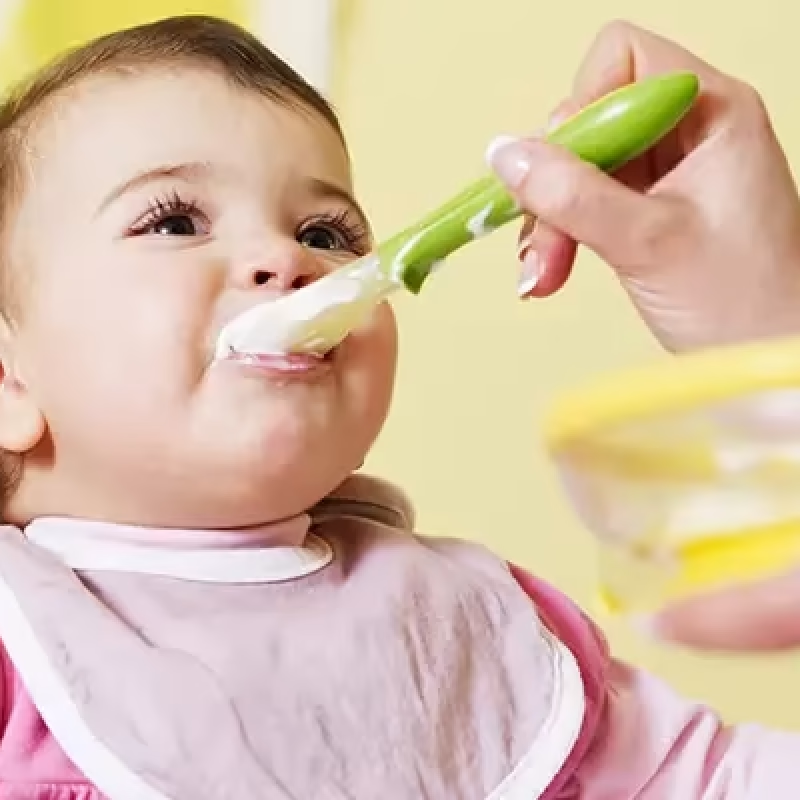
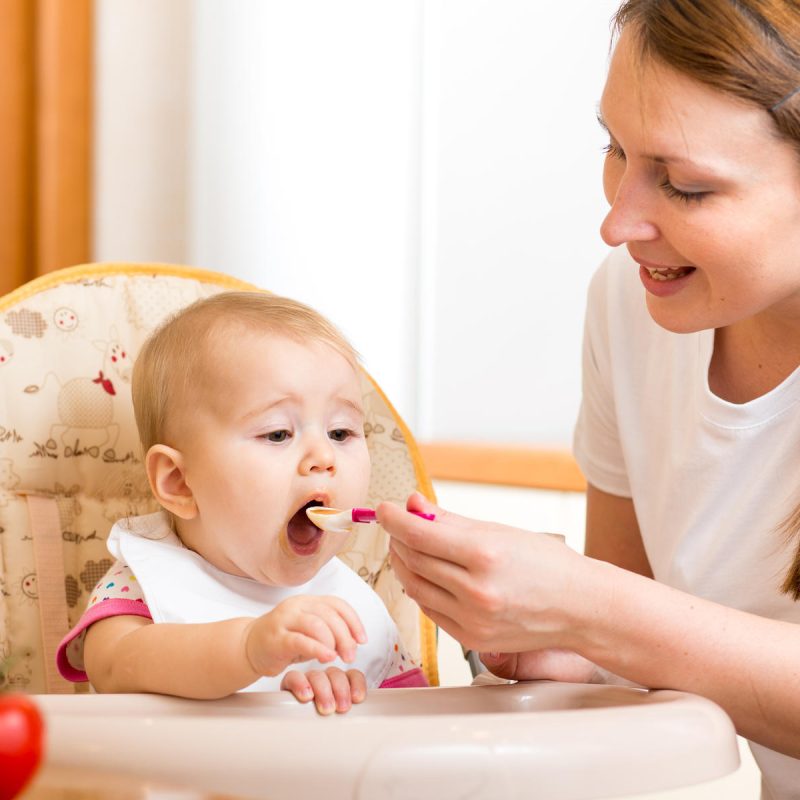
For spoons, look for smooth edges and flexible tips that are gentle on gums. Silicone and stainless steel spoons are popular choices. Silicone is soft and forgiving for beginners, while stainless steel offers long-term durability when paired with a child-safe shape.
Bowls and plates should stay put. Suction bases can be helpful, but they don’t need to be perfect — many lose suction over time. What matters more is stability and material safety. Avoid bowls with decorative coatings or unclear material labeling.
Open cups and straw cups both support skill development. Small open cups help babies learn sipping early, while straw cups are practical for reducing spills. Choose cups made from glass with silicone sleeves, food-grade silicone, or stainless steel.
Avoid gear with strong odors, peeling surfaces, or unclear origin labeling. If you can’t easily identify what a product is made from, it’s okay to skip it.
Early feeding doesn’t require a full set of matching items. A few reliable pieces that you rotate and clean well are more useful than drawers full of novelty gear.
Bibs, Plates & Mats: What’s Actually Non-Toxic
Bibs, plates, and floor mats often get overlooked, but they play a big role in exposure — especially since babies chew, suck, and mouth everything.
Fabric bibs are fine for light meals but can absorb moisture and stains. Silicone bibs are easy to clean and reduce laundry, but choose food-grade silicone with no added fillers or strong smells. If a silicone product smells chemical-like even after washing, it’s best to replace it.
Plates and mats should be easy to wipe down and free of coatings that can chip or peel. Silicone mats work well for small spaces and protect floors without requiring constant washing. Avoid foam or soft plastic mats that degrade quickly.
Non-toxic doesn’t mean indestructible. Any gear that cracks, peels, or becomes sticky over time should be replaced — regardless of material.
You don’t need separate “baby-only” mats or bibs forever. As your child grows, many families transition to shared placemats and regular dishware safely.
Glass vs. Silicone vs. Stainless Steel: What to Use When
Each material has strengths — and no single option is perfect for everything.
Glass is one of the most stable materials for food storage and feeding. It doesn’t absorb odors or leach chemicals. The downside is weight and breakability, which is why many parents pair glass with silicone sleeves or use it mainly for storage and prep.
Silicone is flexible, lightweight, and great for babies learning to self-feed. Choose food-grade silicone and avoid overheating it unnecessarily. Silicone is best for short-term contact rather than long-term storage.
Stainless steel is durable, lightweight, and excellent for cups and containers. It doesn’t break and handles temperature changes well. Look for stainless steel with minimal seams and no interior coatings.
Mixing materials often works best — glass for storage, silicone for early feeding, stainless steel for travel and cups.
High Chairs, Bottles & Small-Apartment Gear
High chair safety comes down to stability, proper positioning, and ease of cleaning. The safest high chairs allow feet support, secure straps, and upright posture. Bulky chairs aren’t required — compact or convertible chairs often work better in apartments.
Bottles and nipples should be made from stable materials and replaced regularly as they wear down. Glass bottles with silicone sleeves or high-quality plastic labeled BPA-free are common choices. Nipples should be cleaned thoroughly and replaced when cloudy or sticky.
Storage containers should be airtight and stackable. In small kitchens, square or rectangular containers maximize space better than round ones. Labeling dates helps reduce waste and improves safety.
Apartment-friendly gear is about function over features. If it stores easily, cleans quickly, and doesn’t require special care, it’s probably a good fit.
Feeding gear should support your routine — not complicate it. Safe feeding doesn’t come from buying more things; it comes from choosing fewer, better ones.