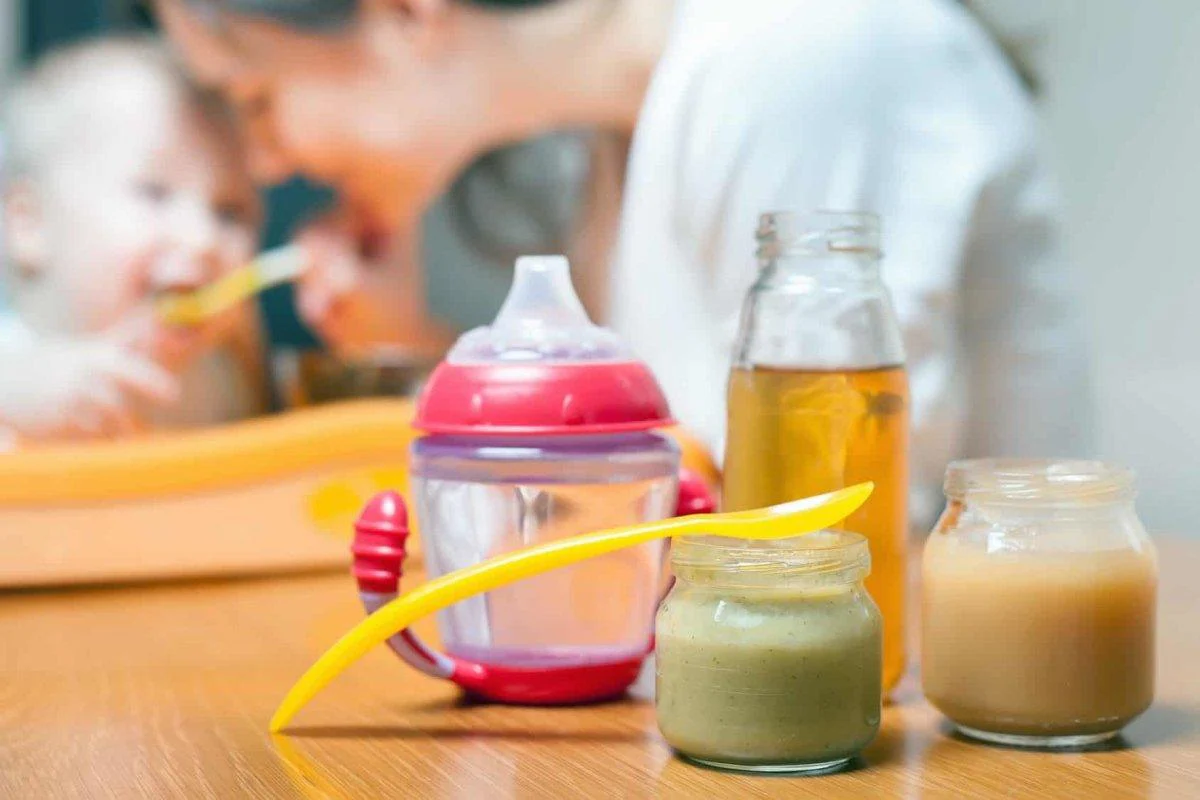
Clean feeding can easily turn into clutter. Parents start with good intentions, then suddenly the kitchen is full of baby bowls, spoons, bibs, suction plates, freezer trays, storage containers, snack cups, pouches, cereals, jars, bottles, straw cups, wipes, mats, and half-used baby snacks. Instead of making feeding easier, the system becomes harder to manage.
A clean feeding system should do the opposite. It should simplify daily meals, reduce stress, keep food safer, and help parents make better choices without filling every drawer. Babies do not need a huge collection of special products. They need safe foods, age-appropriate textures, clean tools, and a routine that works for the family.
At Clean Baby Bites, we believe clean feeding should be practical. A clutter-free system is not about having less just to have less. It is about keeping only what helps you feed your baby safely and consistently.
Start with Your Real Routine
Before buying more feeding products, look at your actual routine. Do you mostly feed at home? Do you pack daycare meals? Do you use pouches during errands? Do you batch-cook and freeze food? Do you have a tiny fridge? Do you wash dishes by hand? Do you live in a small apartment?
Your feeding system should match your life. A family that sends meals to daycare may need more small containers. A family that mostly feeds at home may need fewer travel items. A parent with limited counter space may need compact gear, not a full baby food station.
Clean feeding becomes easier when the system fits the home you actually have.
Parents can explore Clean Baby Bites’ urban parenting and feeding page for realistic small-space feeding ideas.
Choose Fewer, Better Tools
You do not need every feeding product at once. A simple starter setup may include a safe high chair or feeding seat, a few soft spoons, two small bowls, two bibs, a few storage containers, and one freezer tray if you plan to freeze baby food.
As your baby grows, you can add items slowly. A straw cup, snack cup, divided plate, lunch container, or extra utensils may become useful later. Buying too much early often creates clutter because you do not yet know what your baby likes or what your kitchen can handle.
Clean Baby Bites’ feeding gear guide can help parents focus on practical items instead of overbuying.
A smaller set of useful tools is better than a drawer full of products you rarely use.
Create One Feeding Zone
A clutter-free system works best when everything has a place. Create one small feeding zone in your kitchen or dining area. This can be one drawer, one shelf, one basket, or one cabinet section.
Keep daily-use items there: spoons, bibs, bowls, cup, wipes, and small containers. Store less-used items somewhere else or remove them completely if they are not helpful.
This makes mealtime faster because you are not searching through multiple drawers. It also helps other caregivers find what they need.
A feeding zone does not need to look perfect. It just needs to be easy to use.
Keep the Pantry Simple
A clean baby pantry does not need dozens of snacks, pouches, cereals, powders, and jars. Too many products can lead to expired food, stale snacks, repeated flavors, and wasted money.
Keep a small core pantry with flexible staples. Useful options may include infant oatmeal cereal, oats, lentils, no-salt-added beans, soft pasta, quinoa, unsweetened applesauce, a few simple pouches, and low-sugar snacks.
Choose foods with no added sugar, low sodium, and simple ingredients. Avoid relying too heavily on rice-based snacks or rice cereal every day.
For practical food ideas, visit Clean Baby Bites’ clean baby foods page.
Use a One-In, One-Out Rule
Baby feeding gear builds up quickly. A one-in, one-out rule can prevent clutter. If you buy a new cup, remove one cup that does not work. If you buy new snack containers, get rid of cracked or unused ones. If you add a new bowl set, donate or discard older items that are worn out.
This rule keeps your kitchen from becoming overloaded. It also makes cleanup easier because there are fewer items to wash, dry, and store.
Do not keep products just because they were gifts or looked useful online. If they do not help your routine, they do not need to stay.
Avoid Duplicate Products
It is easy to buy multiple versions of the same thing: five cups, three suction plates, six snack cups, several spoon sets, and too many freezer trays. Most families do not need that much.
Keep only enough to get through your real day. If you wash dishes daily, you may need fewer items. If your baby goes to daycare, you may need a few extra containers. If you handwash bottles and spoons, you may need enough to avoid constant washing but not so many that dirty items pile up.
The right number is personal, but the goal is simple: enough to function, not enough to clutter.
Build a Small Freezer System
Freezer meals can support clean feeding, but freezer clutter can become another problem. Instead of freezing large containers of random foods, use small portions and clear labels.
A silicone freezer tray can help portion baby food into cubes. Once frozen, move cubes into labeled bags or containers. Write the food name and date. Keep only a few types of cubes at a time, such as lentils, squash, peas, apple, and oatmeal.
This gives you variety without filling the freezer.
For more freezer-friendly ideas, visit Clean Baby Bites’ recipes and meal ideas.
Label Everything
Labels reduce clutter because they reduce mystery. If you do not know what is in a container, you are less likely to use it. Then it sits in the fridge until it is thrown away.
Label baby food with the name and date. If it contains a common allergen such as egg, dairy, wheat, soy, sesame, fish, peanut, or tree nuts, include that too.
This helps parents, grandparents, nannies, partners, and daycare staff. It also makes food rotation easier.
A roll of masking tape and a marker can do more for your feeding system than another expensive container set.
Use Clear Fridge Bins
Small baby food containers can disappear behind adult groceries. A clear fridge bin keeps baby meals together. Use one bin for today and tomorrow’s baby food, opened pouches, yogurt portions, or daycare containers.
This prevents food from getting lost and helps you see what needs to be used first.
If your fridge is tiny, use a narrow bin or one small corner. The goal is not to create a perfect fridge display. The goal is to keep baby food visible and easy to grab.
Clean storage helps prevent waste and keeps feeding safer.
Keep Snacks Under Control
Baby snacks are a major source of clutter. Puffs, wafers, fruit bars, melts, crackers, and pouches can fill cabinets quickly. Many also go stale after opening.
Choose one or two snack options at a time. Store opened dry snacks in airtight containers. Avoid buying large packages unless your baby eats them quickly. Check expiration dates often.
Also remember that snacks should not all be packaged. Soft fruit, avocado, plain yogurt, oatmeal, beans, and cooked vegetables can be simple snack options when available.
A clean snack system is small, fresh, and easy to rotate.
Do Not Overbuy Pouches
Pouches are useful for travel, daycare, and busy days, but too many pouches can crowd the pantry. They can also lead to flavor repetition if your baby eats the same sweet blends often.
Keep a few backup pouches, not a huge stash. Choose varieties with simple ingredients, no added sugar, no added salt, and some vegetable-forward or protein-containing options.
When possible, serve pouch food in a bowl with a spoon so your baby can see and interact with the food.
Pouches should support the feeding system, not replace it.
Choose Multi-Use Foods
The easiest way to reduce clutter is to buy foods that work in many meals. Oats can be breakfast, snack, or a thickener for purees. Lentils can be lunch, dinner, or freezer cubes. Beans can be mashed with avocado, sweet potato, or soft pasta. Yogurt can be breakfast, snack, or a creamy mix-in. Frozen peas can go into oats, pasta, lentils, or egg.
Multi-use foods reduce the need for specialty baby products. They also help create variety without complicated recipes.
Parents can find more meal-building ideas on the Clean Baby Bites blog.
Store Feeding Gear Only When Fully Dry
Clutter often gets worse when wet items pile up. Bowls, spoons, cups, bottle parts, lids, and snack containers should dry fully before being stored.
If you stack wet items in a drawer or cabinet, they can smell musty or become harder to keep clean. Use a compact drying rack or clean tray. Put items away only when dry.
This is especially important for straw cups, bottle parts, silicone lids, and snack cups with small corners.
A clutter-free feeding system also needs good drying habits.
Replace Damaged Items
Damaged feeding gear takes up space and may not be safe. Remove cracked bowls, scratched plastic containers, torn silicone, chipped glass, rusty metal, warped lids, stained cups, and spoons with bite marks.
Old items are easy to keep “just in case,” but they usually create clutter. If an item is damaged, hard to clean, or no longer useful, it should leave the system.
This also supports non-toxic feeding. Damaged plastic and worn materials are not ideal for baby food use.
Avoid Heating in Plastic
A clean feeding system should include simple safety habits. One of the easiest is avoiding heating baby food in plastic. Store food in whatever practical container works, but transfer to glass or ceramic before warming when possible.
This habit reduces concerns around plastic exposure without requiring a fully plastic-free kitchen.
A practical setup may include a few glass containers for warming, stainless steel for travel, silicone for freezer trays and spoons, and limited BPA-free plastic for daycare or cool snacks.
Clean feeding is about smart use, not perfection.
Make Daycare Packing Simple
If your baby goes to daycare, create a small daycare packing area. Keep containers, labels, spoons, bibs, and lunch bags together. Pack meals the night before when possible.
Use only the containers daycare actually allows. Do not buy glass if daycare does not accept it. Do not buy complicated lunch boxes if small labeled containers work better.
A good daycare system should be easy to repeat during busy mornings.
For more daycare meal guidance, visit Clean Baby Bites’ FAQ.
Use a Weekly Reset
Once a week, reset the feeding system. This can take just a few minutes.
Check the fridge for old baby food. Throw away expired or questionable items. Move older freezer cubes to the front. Wash snack cups. Refill only what is needed. Check pouches and snacks. Remove damaged gear. Wipe the feeding shelf or drawer.
A weekly reset prevents clutter from building slowly.
It also helps you notice what your baby is actually eating, what is being wasted, and what you do not need to buy again.
Keep Mealtime Setup Minimal
During meals, avoid putting too much on the high chair tray. Too many bowls, toys, spoons, cups, and food pieces can distract the baby and create mess.
Offer small portions. Add more if needed. Keep one spoon or two. Use one bowl. Keep wipes nearby but not all over the table.
A simple setup helps babies focus and makes cleanup easier.
Clean feeding is not about creating a perfect-looking tray. It is about safe, calm eating.
Let Go of “Instagram Feeding”
Social media can make parents feel like baby meals need to be colorful, styled, and served in special plates. Real baby feeding is usually messier and simpler.
Your baby does not need themed plates, ten tiny portions, or new recipes every day. They need safe food, repeated exposure, and a calm caregiver.
A bowl of lentils and squash can be just as valuable as a beautifully arranged plate. Oatmeal with banana, avocado with beans, yogurt with fruit, and soft pasta with peas are all real meals.
Less presentation often means less clutter.
Build a Simple Rotation
A clutter-free feeding system works best with a simple rotation. Choose a few grains, proteins, fruits, vegetables, and fats each week.
For example:
Grains: oats, soft pasta.
Proteins: lentils, egg, yogurt.
Produce: peas, squash, banana, pear.
Fats: avocado, yogurt.
From this, you can make many meals without buying too much. The next week, rotate different foods.
This keeps variety manageable and prevents the pantry from overflowing.
Keep Cleaning Supplies Separate
Do not store baby food or feeding gear with cleaning products. Under-sink storage is not ideal for baby foods because it can be damp and close to chemicals.
Keep baby feeding gear in a clean, dry area. Store cleaning sprays, dish soaps, and sanitizing products separately.
If space is limited, use a small covered bin for clean feeding items and place it in a cabinet away from chemicals.
Clean feeding includes the storage environment.
Do Not Chase Perfect Non-Toxic Living
Trying to make everything perfectly non-toxic can lead to overspending and clutter. Parents may buy too many glass sets, silicone products, bamboo plates, stainless containers, and specialty tools. More products do not always mean safer feeding.
Start with the biggest wins: simple foods, safe textures, no added sugar, low sodium, variety, clean storage, no heating in plastic, and easy-to-clean gear.
Clean Baby Bites’ avoiding toxins page can help parents focus on practical exposure reduction instead of fear-based buying.
The best system is one you can actually maintain.
Final Thoughts
Building a clean feeding system without clutter is about choosing fewer, better tools and creating simple routines. Start with your real lifestyle. Keep one feeding zone. Use a small core pantry. Store baby food in small portions. Label everything. Keep snacks under control. Use freezer cubes wisely. Replace damaged gear. Avoid heating baby food in plastic when possible.
You do not need a kitchen full of baby products to feed cleanly. A few bowls, spoons, containers, freezer tools, and simple foods are enough for many families.
Clean feeding should make life easier, not more crowded. When the system is simple, parents can focus less on managing stuff and more on helping their baby eat safely, calmly, and confidently.
For more practical baby feeding guidance, visit the Clean Baby Bites blog or explore Clean Baby Bites resources on starting solids, clean foods, feeding gear, avoiding toxins, recipes, and urban feeding routines.