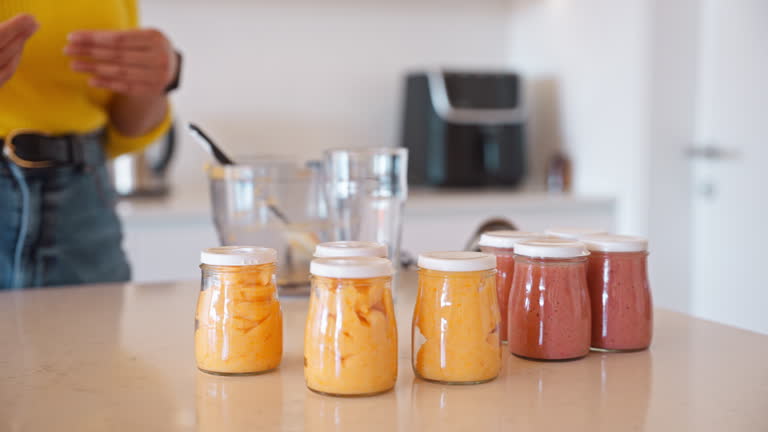
Small kitchens make baby food storage feel like a puzzle. There may be limited fridge space, a tiny freezer, narrow cabinets, one crowded drawer, and barely enough counter space for bottles, bowls, snacks, and family groceries. When parents are trying to feed cleanly, the storage question becomes even more important: what containers are safest, easiest to clean, and practical for small spaces?
The best non-toxic food storage is not always the most expensive set. It is the storage system that keeps baby food fresh, avoids unnecessary plastic exposure, fits your fridge or freezer, and is easy enough to use every day. Glass, stainless steel, food-grade silicone, and carefully chosen BPA-free plastic can all have a place depending on how they are used.
At Clean Baby Bites, we believe clean feeding should be practical. Parents do not need a perfect kitchen. They need safe containers, smart portions, clear labels, and storage habits that work in real homes.
Start with Small Portions
Babies eat small amounts, especially during the early stages of solids. Large containers waste space and can lead to food sitting too long after opening. Small portions are better for safety, freshness, and small kitchens.
Use containers that hold one baby meal or one small snack. This makes it easier to thaw, warm, pack, and serve only what your baby needs. It also reduces waste because you are not repeatedly opening a large container.
Small portions are especially useful for foods like lentil mash, oatmeal, vegetable puree, fruit puree, yogurt mixes, cooked beans, and soft pasta.
Parents beginning solids can review Clean Baby Bites’ starting solids guide to understand portion size, readiness, and safe texture progression.
Glass Containers for Home Storage
Glass is one of the best options for storing baby food at home. It does not stain easily, does not hold odors like some plastics, and can often be used for reheating if the container is labeled heat-safe.
Small glass containers are ideal for purees, leftovers, cooked vegetables, oatmeal, lentils, beans, and soft family foods prepared for babies. They stack neatly in the fridge and make it easy to see what is inside.
Glass is also useful because many parents prefer not to heat baby food in plastic. The American Academy of Pediatrics advises avoiding microwaving food or beverages in plastic when possible, including infant formula and pumped human milk. You can read more from the AAP about plastic additives and children’s health.
The downside is breakage. Glass may not be ideal for daycare, travel, or baby self-feeding unless closely supervised. For home storage and warming, though, a few small glass containers can be very helpful.
Stainless Steel for Travel and Daycare
Stainless steel is a strong choice for families who need durable storage. It is lightweight compared with glass, does not break easily, and works well for daycare meals, snacks, stroller bags, and travel.
Small stainless steel containers can hold soft pasta, cooked vegetables, fruit pieces, beans, snack portions, or finger foods for older babies. Stainless steel snack cups can also reduce the need for disposable plastic bags.
The main limitation is that stainless steel cannot go in the microwave. If food needs warming, transfer it to glass or ceramic first, or follow the daycare’s approved warming method.
For parents packing food for daycare or city outings, stainless steel can be one of the most practical non-toxic options. Clean Baby Bites’ urban parenting and feeding page has more ideas for feeding in small homes and busy routines.
Food-Grade Silicone Freezer Trays
Food-grade silicone freezer trays are excellent for small-space baby food storage. They let parents freeze baby food in small cubes, then move the frozen cubes into a labeled container or freezer bag.
This works well for purees, lentil mash, vegetable blends, fruit purees, oatmeal portions, and sauce-style baby meal bases. Instead of keeping large containers in the freezer, you can store small cubes and thaw only what you need.
Choose silicone trays that clearly state food-grade silicone and come from a reputable brand. Avoid trays with strong chemical smells, unclear material details, or signs of damage. Replace silicone that becomes sticky, torn, cracked, or hard to clean.
For freezer-friendly baby meals, visit Clean Baby Bites’ recipes and meal ideas.
BPA-Free Plastic: Use Carefully
Plastic can still be useful in small spaces because it is lightweight, stackable, affordable, and often allowed at daycare. The key is using it carefully.
Choose BPA-free containers designed for food storage. Avoid heating baby food in plastic when possible. Do not store hot food directly in plastic. Replace plastic containers that are scratched, cloudy, warped, stained, cracked, sticky, or hard to clean.
The FDA explains that regulations were amended so BPA-based polycarbonate resins are no longer used in baby bottles and sippy cups. Parents can read more from the FDA about BPA in food-contact applications.
Plastic is not automatically bad, but it should not be your first choice for heating. Use it for cool snacks, travel, or daycare when needed, and use glass or ceramic for warming.
Avoid Heating Food in Plastic
One of the biggest non-toxic storage habits is simple: do not heat baby food in plastic when possible. Even if a plastic container says microwave-safe, many parents prefer transferring baby food into glass or ceramic before warming.
This matters because heat can increase concerns around plastic contact with food. Baby foods are often warm, moist, soft, and eaten frequently, so repeated heating in plastic is worth avoiding.
A practical system is to store in whatever container works, but warm in glass or ceramic. Stir well, check for hot spots, and let food cool to a safe temperature before serving.
This habit does not require buying a full new kitchen setup. Even two small glass bowls can make a difference.
Stackable Containers Save Space
Small kitchens need stackable storage. Round containers can waste space, while square or rectangular containers often fit better in tiny fridges and cabinets.
Look for containers that stack securely, seal well, and are easy to open. Avoid sets with too many random sizes that do not nest or stack. A few matching containers are usually better than a drawer full of mismatched lids.
For baby food, smaller containers are more useful than large ones. A container that holds one or two baby portions is easier to store and safer to use quickly.
Clean feeding should make your fridge easier to manage, not more crowded.
Clear Containers Help Prevent Waste
Clear containers are useful because you can see what is inside. This reduces forgotten leftovers and helps parents use food before it spoils.
If you use stainless steel containers, which are not transparent, labeling becomes even more important. Write the food name and date on tape or a reusable label.
A small-space storage system should make food easy to identify. When containers are hidden or unlabeled, baby food can sit too long.
The FDA’s guidance on food safety once baby arrives reminds parents that safe storage and clean utensils matter when preparing baby food.
Label Everything
Labels are one of the cheapest safety tools. Label containers with the food name and date. If the food contains a common allergen such as egg, dairy, wheat, soy, fish, sesame, peanut, or tree nuts, include that too.
This helps parents, partners, grandparents, nannies, and daycare staff know exactly what is inside. It also prevents accidental repeated serving of old food.
You can use masking tape, freezer labels, washable labels, or a marker made for containers. The system does not need to look perfect. It just needs to be clear.
Labeling is especially important when freezing baby food cubes because many purees look similar once frozen.
Use Fridge Bins for Baby Food
A small clear fridge bin can keep baby food organized. Instead of scattering tiny containers across shelves, place them all in one bin. This makes it easier to pull out the baby’s food, see what needs to be used, and avoid losing small containers behind adult groceries.
One bin can hold today’s meals, opened pouches, yogurt portions, small containers, or daycare food. If your fridge is very small, use a narrow bin that fits one shelf.
This is a simple way to create a baby food zone without needing more space.
For more small-kitchen support, visit Clean Baby Bites’ feeding gear page.
Store Dry Snacks in Airtight Containers
Dry baby snacks can go stale or absorb moisture, especially in humid apartments or kitchens near sinks and stoves. Once opened, puffs, crackers, wafers, cereals, and teething snacks should be sealed tightly.
Airtight containers help preserve freshness and reduce mess. Choose small containers so you do not store too much at once. If you buy large snack packages, divide them into smaller portions after opening.
Check snacks before serving. If they smell stale, feel damp, clump together, or look unusual, throw them away.
Dry storage should be cool, clean, and away from cleaning products.
Avoid Under-Sink Storage
Under-sink cabinets are not ideal for baby food or feeding gear. They can be damp and may contain cleaning products, pipes, leaks, or odors.
Store baby food in a dry cabinet, pantry shelf, fridge, or freezer. Store clean feeding gear in a drawer, covered bin, or cabinet once fully dry.
If your kitchen is extremely small, use a clean, sealed storage box in another area rather than placing baby food under the sink.
Clean storage includes the environment around the container.
Let Containers Dry Fully
Containers should be fully dry before storing food inside them. Damp containers can create odor, moisture buildup, or mold risk, especially with dry snacks and grains.
The CDC recommends allowing infant feeding items to air-dry thoroughly before storing them in a clean, protected area. Their guide on cleaning and sanitizing infant feeding items is helpful for bottles, cups, bowls, and feeding parts.
In small kitchens, use a compact drying rack or clean drying tray. Do not stack wet lids and containers inside cabinets.
Dry storage is safer storage.
Choose Freezer Bags Carefully
Freezer bags can save space, but they are best used for frozen storage, not heating. A good system is to freeze baby food in silicone trays first, then move frozen cubes into labeled freezer bags.
Do not put hot baby food directly into thin plastic bags. Do not microwave baby food inside freezer bags. Remove the portion you need and warm it in glass or ceramic.
If you want to reduce plastic, use small freezer-safe glass containers or silicone containers instead. But if freezer space is very limited, labeled freezer bags can be practical when used carefully.
The goal is lower exposure and better organization, not perfection.
Keep Pantry Foods Simple
Non-toxic storage also means not overfilling the pantry with too many baby products. Too many snacks, pouches, cereals, and jars can expire or get lost in a small cabinet.
Keep a simple baby pantry: oats, infant oatmeal cereal, lentils, no-salt-added beans, a few pouches, low-sugar snacks, and maybe unsweetened applesauce. Rotate items and use older ones first.
For cleaner baby food choices, visit Clean Baby Bites’ clean baby foods page.
A smaller pantry is often easier to keep safe and fresh.
First-In, First-Out System
Use the oldest food first. This is called first-in, first-out, and it works well for baby food storage.
Put newer pouches, snacks, and containers behind older ones. Move older freezer cubes to the front. Keep soon-to-use fridge foods in one visible area.
This habit prevents waste and reduces the chance of feeding old food by mistake.
A small kitchen needs simple systems, and this is one of the easiest.
Best Storage Setup for Small Spaces
A practical non-toxic baby food storage setup might include:
A few small glass containers for home storage and warming.
A silicone freezer tray for portioning baby food.
One or two stainless steel containers for daycare or travel.
Airtight containers for dry snacks.
A clear fridge bin for baby food.
A few labels or masking tape for dates.
This setup is enough for many families. You do not need a huge matching set or expensive storage collection.
Final Thoughts
The best non-toxic food storage for small spaces is simple, safe, and easy to maintain. Glass works well for home storage and warming. Stainless steel is durable for daycare and travel. Food-grade silicone is excellent for freezer portions and flexible tools. BPA-free plastic can still be useful when used carefully, especially when not heated or damaged.
Small kitchens need small portions, stackable containers, clear labels, airtight snack storage, and good drying habits. Avoid heating baby food in plastic, replace damaged containers, keep food away from damp cabinets, and use a first-in, first-out system.
Clean baby feeding does not require a large kitchen. It requires smart storage habits that keep food fresh, safe, and easy to use.
For more practical baby feeding guidance, visit the Clean Baby Bites blog or explore the Clean Baby Bites FAQ for answers about feeding gear, clean foods, starting solids, avoiding toxins, and city-friendly baby meals.