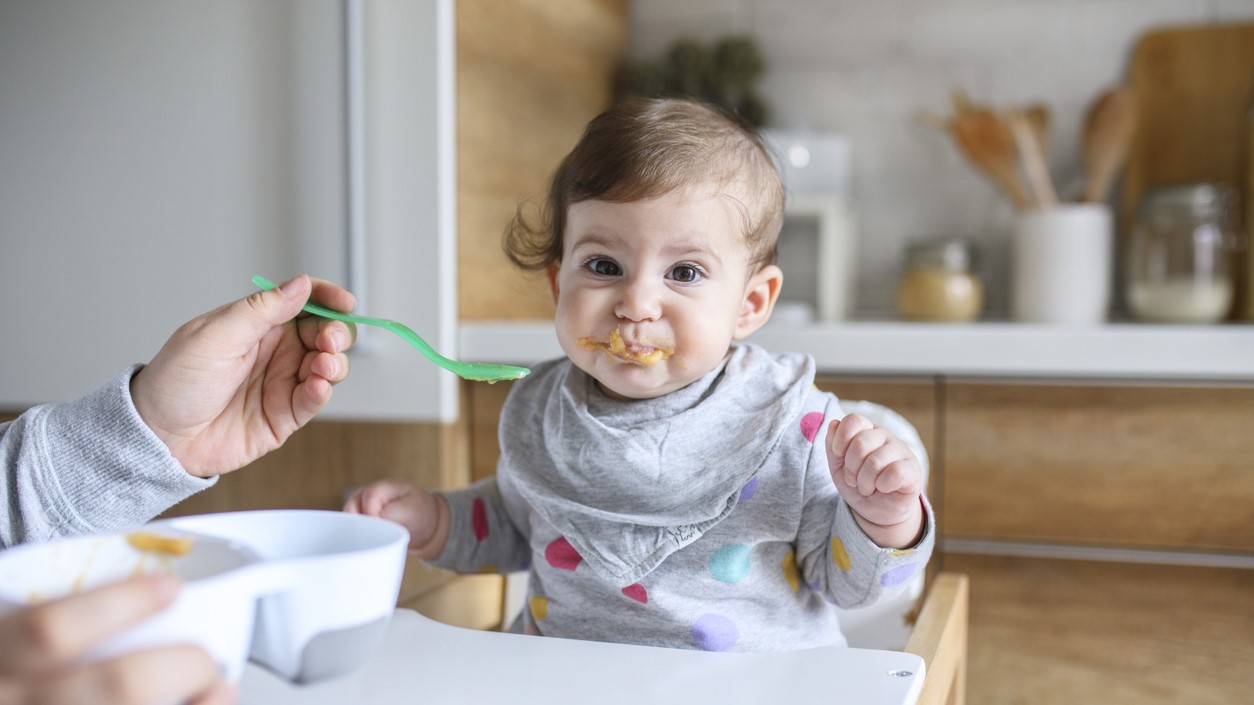
Some homes are naturally loud. Older siblings play, pets bark, neighbors make noise, traffic passes outside, phones ring, kitchen appliances run, and family members move in and out during meals. In apartments, brownstones, shared homes, and busy city spaces, silence is not always realistic. For parents feeding a baby, this can make mealtimes feel distracting and stressful.
A noisy household does not mean your baby cannot eat well. Babies can learn to eat in real homes with real sounds. The goal is not to create a perfect quiet room every time. The goal is to build a feeding routine that feels predictable, safe, and calm enough for your baby to focus.
At Clean Baby Bites, we believe clean feeding is not only about ingredients. It is also about the environment, timing, setup, and emotional tone around meals. A good routine can help babies eat better, even when the household is busy.
Start with a Predictable Mealtime Setup
Babies do better when mealtimes feel familiar. In a noisy home, predictability becomes even more important. Try to use the same feeding seat, bib, spoon, cup, and general meal location whenever possible. This helps your baby understand that it is time to eat, even if the rest of the house is active.
A predictable setup does not need to be fancy. It can be a high chair in the kitchen, a booster at the table, or one safe feeding spot that works for your home. Keep the area as clear as possible so your baby is not surrounded by toys, screens, bags, or clutter.
Parents starting solids can use Clean Baby Bites’ starting solids guide to review readiness signs, textures, and feeding basics.
Choose the Least Chaotic Time
In a busy household, timing matters. Try to feed your baby during the calmest part of the routine, even if the house is not perfectly quiet. This might be before older siblings come home, after a morning nap, before the dinner rush, or during a short window when the kitchen is less crowded.
A baby who is too tired, too hungry, or overstimulated may struggle to eat. They may turn away, cry, throw food, or refuse the spoon. Sometimes the problem is not the food. It is the timing.
The CDC says babies can begin solids around 6 months when they show readiness signs, and feeding should match the child’s development and cues.
If your baby regularly struggles at one meal, try moving it earlier or later by 15 to 30 minutes.
Reduce the Closest Distractions First
You may not be able to control traffic, neighbors, or siblings, but you can reduce distractions closest to the baby. Turn off the TV. Move toys away from the high chair. Put your phone down during active feeding. Clear the tray except for the food and tools needed for that meal.
A baby can handle some background noise better when the immediate feeding space is simple. Too many nearby distractions can make it hard for them to notice hunger, fullness, texture, and taste.
HealthyChildren.org explains responsive feeding as recognizing and responding to a baby’s hunger and fullness cues. That is much easier when the caregiver can pay attention instead of multitasking.
For practical setup ideas, visit Clean Baby Bites’ feeding gear guide.
Keep Meals Short and Calm
Babies do not need long meals. In noisy homes, shorter meals may work better. A 10 to 20 minute meal can be enough for many babies, depending on age, stage, and appetite. If a meal goes too long, babies may become tired, distracted, or frustrated.
Start with small portions. Offer more if your baby seems interested. If your baby turns away, closes their mouth, pushes food away, or becomes upset, pause and watch their cues.
Pressure usually makes feeding harder. A calm, short meal is better than a long stressful one.
Clean feeding should support a healthy relationship with food, not turn every bite into a battle.
Use a Simple Mealtime Cue
A mealtime cue can help your baby transition into eating even when the house is loud. This can be very simple: washing hands, putting on the bib, sitting in the high chair, saying the same short phrase, or offering the same small spoon.
The cue tells your baby what is coming next. Over time, this can help them settle into the routine.
For example, you might say, “Time to eat,” then put on the bib and place them in the chair. Keep your voice calm and consistent. Babies learn from repetition.
In a noisy household, small rituals can create calm inside the routine.
Seat the Baby Away from the Main Noise
If possible, position the high chair away from the loudest part of the room. This may mean facing the baby away from the TV, away from a busy doorway, or away from siblings playing nearby.
You do not need a separate dining room. Even turning the high chair slightly can help. Some babies eat better when they can see the caregiver clearly and are not watching every movement in the room.
If your kitchen is small, choose the best available angle. The goal is not silence. The goal is less direct stimulation during eating.
For city families with limited space, Clean Baby Bites’ urban parenting and feeding page can help with realistic routines.
Keep Siblings Involved Without Overwhelming the Baby
Older siblings can be helpful or distracting during baby meals. If they are excited, loud, or trying to feed the baby, mealtime can become chaotic quickly.
Give siblings a simple role if they want to help. They can bring the bib, choose between two baby-safe foods, sit nearby calmly, or help wipe the tray afterward. Avoid letting them put food directly into the baby’s mouth unless carefully supervised and age-appropriate.
Also teach siblings that the baby needs space while eating. No grabbing food from the tray, no sudden loud noises near the high chair, and no rushing the baby.
A family meal can still feel connected without becoming overwhelming.
Avoid Screens During Baby Feeding
Screens can seem helpful in noisy homes because they distract the baby. But screen-based feeding can make it harder for babies to notice hunger, fullness, taste, and texture. It may also turn meals into passive eating instead of learning.
Try to keep feeding screen-free when possible. This includes TV, tablets, and phones placed in front of the baby. If the household TV is on, turn the baby away from it or lower the volume during meals.
Responsive feeding works best when the baby and caregiver are connected. The baby learns from the food, the caregiver’s face, and the routine.
For more clean-feeding routines, visit the Clean Baby Bites blog.
Use White Noise Carefully
Some families use white noise or soft background sound to cover sudden household noise. This may help if the home has unpredictable sounds like traffic, barking, or hallway noise. However, it should not be too loud or placed too close to the baby.
The goal is a steady calming background, not another loud sound. Keep volume low and use it only if it actually helps your baby settle.
Some babies prefer normal household sounds and do not need white noise. Others become calmer with a predictable hum. Watch your baby’s response and adjust.
Choose Easy Foods on Chaotic Days
Some days are too busy for challenging textures or new foods. If the household is noisy and overstimulating, choose familiar foods your baby already handles well. Save new textures, allergens, or more difficult foods for calmer times when you can observe closely.
Easy options may include oatmeal, lentil mash, avocado, plain yogurt with fruit, soft vegetables, scrambled egg, beans, or a carefully chosen puree.
The CDC lists choking hazards and foods to avoid or prepare carefully for young children, including hard, round, sticky, and difficult-to-chew foods.
A chaotic day is not the best time to test a tricky food. Safety comes first.
Create a “Calm Plate” Rotation
A calm plate is a simple meal your baby knows and accepts. It should be easy to prepare, easy to eat, and low-stress. Having a few calm plate options helps noisy households.
Examples include oatmeal with banana, lentils with squash, yogurt with mashed fruit, avocado and beans, soft pasta with peas, or egg with avocado.
Parents can find simple meal ideas on Clean Baby Bites’ recipes and meal ideas.
A calm plate does not mean serving the same food forever. It means having reliable meals for days when the environment is already busy.
Keep New Foods Low Pressure
New foods can be harder in noisy homes. Babies may be distracted, unsure, or overstimulated. Introduce new foods in small amounts and without pressure.
Place a small taste on the tray or spoon. Let your baby look, touch, smell, and taste. If they reject it, try again another day. It can take repeated exposure before babies accept new foods.
Do not force bites or chase your baby’s mouth with the spoon. This can make mealtime stressful and may create negative associations.
A calm response helps babies feel safe exploring food.
Watch Hunger and Fullness Cues
In a noisy household, it is easy to miss cues. Your baby may show hunger by leaning forward, opening their mouth, reaching for food, or getting excited. They may show fullness by turning away, closing their mouth, pushing food away, slowing down, or becoming distracted.
The CDC explains that babies and young children show signs of hunger and fullness through actions like reaching for food, opening their mouth, or turning away.
Try to watch your baby more than the bowl. The goal is not finishing every portion. The goal is helping your baby learn to eat while staying connected to their body’s signals.
Use Safe Seating Every Time
Noise can make parents rush, but safe seating should never be skipped. Babies should eat sitting upright in a stable high chair or feeding seat. Avoid feeding while the baby is crawling, lying down, walking, or riding unsupervised in a stroller.
A proper feeding position supports safer swallowing and better focus. It also helps create a consistent routine.
Make sure straps are used according to the chair instructions. Keep the baby supervised throughout the meal.
Clean feeding always includes safe feeding posture.
Keep the Feeding Area Easy to Clean
Noisy households are often busy households. If cleanup is hard, meals can feel more stressful. Use simple gear: a washable bib, easy-clean bowl, soft spoon, wipeable high chair, and small portions.
Avoid too many bowls, toys, plates, and accessories on the tray. The more items available, the more your baby may throw or play with them instead of eating.
A simple setup reduces cleanup and helps the baby focus.
Clean Baby Bites’ feeding gear guide can help parents choose practical items without overbuying.
Build a Routine for Pets
Pets can add noise and distraction during baby meals. Dogs may bark, beg, or wait under the high chair. Cats may jump near the table. This can make feeding less safe and more chaotic.
If possible, keep pets away from the feeding area during meals. Use a gate, crate, separate room, or clear boundary. This prevents pets from grabbing dropped food and helps the baby focus.
It also reduces the risk of the baby feeding pets unsafe foods or the pet startling the baby.
Pets can rejoin after cleanup.
Prepare Before the Baby Sits Down
In noisy homes, once the baby is in the high chair, distractions can build quickly. Prepare everything first: food, spoon, bib, cup, wipes, and extra napkin.
This prevents you from leaving the baby waiting while you search for items. A waiting baby may become impatient or overstimulated.
Small preparation makes the meal smoother. It also helps the caregiver stay calm.
A calm caregiver can make a noisy room feel safer.
Use Family Meals When They Help
Some babies enjoy being part of family meals, even if the household is lively. Watching others eat can help babies learn. But if family meals are too loud or distracting, it is okay to feed the baby earlier or in a quieter corner.
There is no single correct routine. Some babies eat best with family. Others need a calmer first phase, then can join the family table later.
The goal is to find the setup where your baby can eat safely and comfortably.
Keep Food Choices Clean and Simple
Noisy households can lead to convenience feeding, which is understandable. But clean feeding can still be simple. Keep easy staples ready: oats, lentils, beans, avocado, yogurt, frozen vegetables, eggs, soft fruit, and simple pouches with no added sugar or salt.
For ideas on safe, simple foods, visit Clean Baby Bites’ clean baby foods page.
When the environment is busy, simple food choices reduce decision stress.
Final Thoughts
Baby feeding routines can work in noisy households when parents focus on predictability, safety, and calm structure. You do not need silence. You need a consistent feeding spot, fewer close distractions, safe seating, simple foods, responsive feeding, and a routine your baby recognizes.
Choose the least chaotic time when possible. Keep meals short. Turn off nearby screens. Seat the baby away from the main noise. Use mealtime cues. Prepare food before placing the baby in the chair. Save new or tricky foods for calmer moments.
A noisy home can still support clean, healthy feeding. The key is creating a small calm routine inside the noise.
For more practical baby feeding guidance, visit the Clean Baby Bites FAQ or explore Clean Baby Bites resources on starting solids, clean foods, feeding gear, avoiding toxins, and city-friendly feeding routines.