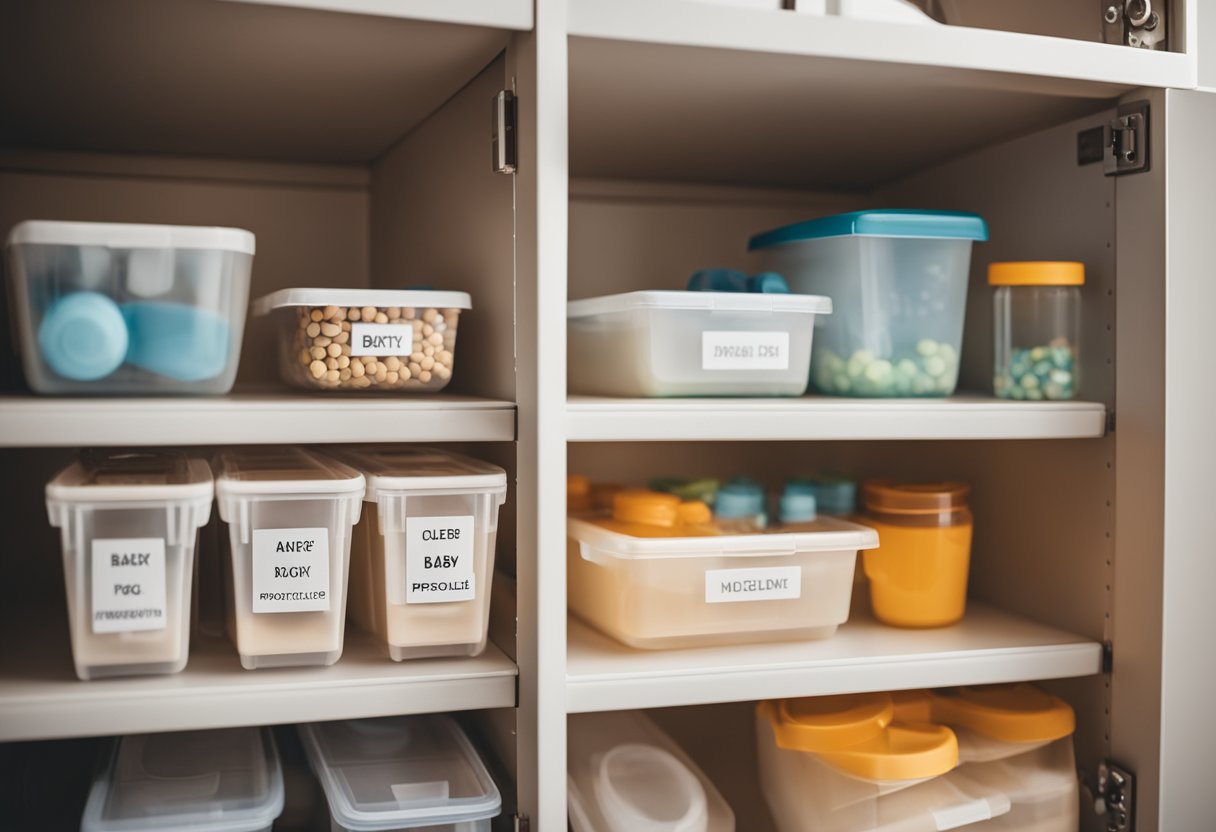
Small NYC and NJ kitchens can make baby food storage feel harder than it should be. Many parents are working with narrow cabinets, tiny fridges, limited freezer space, shared counters, small sinks, and crowded pantry shelves. Add bottles, snacks, pouches, purees, daycare containers, and family groceries, and the kitchen can feel full before baby meal prep even begins.
Safe baby food storage matters because babies are more sensitive to germs, spoilage, and unsafe handling. Clean feeding is not only about choosing simple ingredients. It is also about how food is cooled, stored, reheated, packed, labeled, and served.
At Clean Baby Bites, we believe safe storage should be realistic for city and suburban families. You do not need a huge kitchen or expensive storage system. You need small portions, clear labels, clean containers, smart fridge habits, and a routine that prevents food from sitting too long.
Start with Small Portions
Babies eat small amounts, especially when they are first starting solids. Storing large containers of baby food can lead to waste and safety problems because the food may sit too long after opening or cooking.
Use small portions instead. Store enough for one meal or one day in each container. This makes it easier to thaw, warm, serve, and discard leftovers safely. It also helps prevent contamination because you are not repeatedly opening the same large container.
Small portions are especially helpful in tiny kitchens because they stack better and take less fridge space. Silicone freezer trays, small glass containers, stainless containers, or small food-safe containers can all work depending on your routine.
Parents can explore Clean Baby Bites’ feeding gear guide for practical storage tools that fit smaller kitchens.
Cool Homemade Food Before Storing
If you cook baby food at home, let it cool safely before placing it in the fridge or freezer. Do not leave food sitting on the counter for hours. The goal is to cool it enough for storage without letting it remain at room temperature too long.
For thick foods like lentil mash, oatmeal, sweet potato, or vegetable puree, spread the food into smaller portions so it cools faster. Large deep containers hold heat longer, which can make cooling less safe.
Once cooled, cover and refrigerate or freeze promptly. Label the container with the food name and date.
The FDA’s guide on food safety once baby arrives reminds parents to use clean utensils, safe storage, and careful food handling when preparing baby food.
Use the Fridge for Short-Term Storage
The fridge is best for foods you plan to use soon. Homemade purees, cooked grains, lentils, beans, yogurt mixtures, cooked vegetables, and opened baby food should be refrigerated properly.
Keep baby food in sealed containers, not uncovered bowls. Store baby food away from raw meat, leaking packages, or dirty produce. If your fridge is crowded, place baby food in a small bin or designated section so it does not get pushed to the back and forgotten.
In small NYC and NJ kitchens, a clear fridge bin can be very useful. It keeps baby meals together and makes mornings faster.
A simple rule is: if you cannot see it, you may forget it. Keep baby food visible and labeled.
Use the Freezer for Backup Meals
Freezing is one of the best storage strategies for small kitchens. It lets parents prepare clean baby meals without crowding the fridge. Freeze small portions of lentils, peas, squash, apple puree, oatmeal, beans, chicken puree, or vegetable blends.
Silicone freezer trays are helpful because they create baby-sized cubes. Once frozen, move the cubes into a labeled freezer bag or container to save space. This is better than keeping the whole tray in the freezer for weeks.
When ready to serve, thaw only what your baby needs. Warm in glass or ceramic when possible, stir well, and check the temperature before feeding.
For freezer-friendly meal ideas, visit Clean Baby Bites’ recipes and meal ideas.
Label Everything
Small containers can look identical. A pea puree, spinach puree, lentil mash, and avocado blend may all look similar after a day in the fridge. Labeling prevents confusion and waste.
Write the food name and date on each container. If the food contains a common allergen such as egg, dairy, wheat, soy, fish, sesame, peanut, or tree nuts, include that too.
Labels are especially important if someone else feeds your baby: a partner, grandparent, nanny, sitter, or daycare provider. They should know exactly what the food is and when it was prepared.
You can use masking tape, freezer labels, washable labels, or a marker designed for food containers. The method does not need to be fancy. It just needs to be clear.
Avoid Saving Food Your Baby Ate From
If your baby eats directly from a bowl, jar, or pouch, saliva can get into the food. That can introduce bacteria and make leftovers less safe to store.
A better routine is to serve a small portion into a separate bowl. Keep the rest of the food untouched in the original container or storage container. If your baby wants more, use a clean spoon to add another portion.
This matters for both homemade and store-bought foods. If your baby sucks directly from a pouch, it is usually safer not to save the leftover pouch for later unless the product instructions clearly allow it and contamination has been avoided.
Clean feeding includes clean serving habits.
Store Opened Pouches Carefully
Baby food pouches are convenient for city life, daycare bags, stroller walks, and travel. But once opened, they need proper handling.
If you open a pouch and do not use the whole thing, refrigerate it right away according to package instructions. Do not leave opened pouches in a diaper bag, stroller organizer, car, or countertop for long periods.
If your baby drank directly from the pouch, do not save it. If you squeezed a portion into a bowl and kept the remaining pouch clean, you may be able to refrigerate it according to the label.
For safer store-bought choices, visit Clean Baby Bites’ clean baby foods page.
Keep Raw Foods Separate
Raw meat, poultry, fish, and eggs should be kept away from prepared baby foods. Store raw items on the lowest shelf or in a separate bin so juices cannot drip onto baby food containers.
Use separate cutting boards or wash boards thoroughly between raw foods and baby foods. Wash hands after handling raw ingredients.
This is basic kitchen safety, but it becomes more important when the fridge is small and crowded. A leaking package in a tiny fridge can contaminate nearby containers quickly.
If you prepare meat or fish for your baby, cook it thoroughly and store the cooked baby portion separately in a clean container.
Store Produce Properly
Fruits and vegetables are common baby foods, but they need proper storage. Refrigerate produce that needs cold storage, keep dry items dry, and avoid storing washed delicate produce too long before use.
Wash produce before preparing it, not necessarily before storing it. Berries and leafy greens can spoil faster when stored wet. If you do wash ahead, dry thoroughly before refrigerating.
The CDC’s guide on fruit and vegetable safety recommends washing produce under running water and cutting away damaged or bruised areas before preparing.
For baby meals, use produce that looks fresh and discard anything moldy, slimy, sour-smelling, or spoiled.
Use Airtight Containers for Dry Snacks
Dry baby snacks like puffs, crackers, wafers, and cereal can go stale or absorb moisture, especially in humid apartments or kitchens near windows, sinks, or radiators.
After opening, store snacks in airtight containers. Keep them away from heat, steam, and damp cabinets. Do not leave opened snack bags in stroller organizers for days.
Check snack texture before serving. If snacks smell stale, feel damp, clump together, or look unusual, throw them away.
For clean snack ideas and label-reading support, parents can visit the Clean Baby Bites blog.
Avoid Under-Sink Storage for Baby Food
Small kitchens often force parents to use every available space, but under the sink is not a good place for baby food, bottles, or feeding gear. This area can be damp and may contain cleaning supplies, pipes, leaks, or odors.
Store baby food in clean, dry cabinets away from chemicals. Store feeding gear in a clean drawer, covered bin, or cabinet once fully dry.
If you must store non-food feeding items under the sink because space is limited, keep them in sealed containers and away from cleaning products. But baby food itself should be stored somewhere cleaner and drier.
Do Not Overfill the Fridge
A packed fridge can block airflow and make it harder to keep food cold evenly. It also makes it easier to forget small baby food containers in the back.
Try not to overbuy fresh produce, yogurt, opened pouches, and prepared baby foods all at once. Buy smaller amounts more often if possible, or use frozen foods to reduce fridge pressure.
For tiny-fridge families, a two-day baby food plan may work better than a full-week prep plan. Store only what you need soon and freeze the rest.
Clean Baby Bites’ urban parenting and feeding page has more ideas for compact kitchen routines.
Use a First-In, First-Out System
First-in, first-out means using older food before newer food. This simple system prevents waste and helps keep baby food safer.
Place newer items behind older ones. Put older pouches, snacks, and freezer cubes near the front. Use dated labels so you do not have to guess.
This works for fridge foods, freezer foods, pantry snacks, pouches, and baby cereals. It is especially helpful when family members or caregivers also feed the baby.
A clean storage system should be easy for everyone to follow.
Store Baby Cereal and Grains Properly
Infant oatmeal cereal, oats, barley cereal, quinoa, and other dry grains should be stored in a cool, dry place. Once opened, close the package tightly or transfer it to an airtight container.
Moisture can cause clumping or spoilage. Keep dry grains away from the stove, dishwasher steam, sink, and humid cabinets.
Because rice can absorb arsenic more than many other grains, parents may choose oatmeal, barley, or multigrain options more often. The American Academy of Pediatrics’ HealthyChildren.org guide on heavy metals in baby food recommends offering a variety of grains.
Storage matters, but grain variety matters too.
Be Careful with Baby Food in Diaper Bags
Diaper bags can become snack storage without parents realizing it. Pouches, crackers, snack cups, and food containers may sit there for days. Heat, crumbs, moisture, and forgotten leftovers can make food unsafe.
Clean out the diaper bag regularly. Remove opened snacks, used spoons, old containers, and anything sticky. Wash snack cups and let them dry completely before refilling.
For perishable foods, use an insulated bag with an ice pack and do not leave them unrefrigerated for long periods.
City parents often depend on diaper bag snacks, but those snacks need a rotation system.
Pack Daycare Food the Night Before
For NYC and NJ parents with daycare routines, packing food the night before can reduce morning stress. Portion meals into labeled containers, place them in the fridge, and add the ice pack in the morning.
Label containers with your baby’s name, date, food name, and serving instructions. If daycare has rules about allergens, homemade foods, glass containers, or reheating, follow those policies.
Good daycare storage depends on both home prep and daycare handling. Ask how food is refrigerated, warmed, served, and discarded.
For daycare-friendly feeding ideas, visit Clean Baby Bites’ FAQ.
Avoid Heating in Plastic When Possible
If you store food in plastic, transfer it to glass or ceramic before warming when possible. Heat can increase concerns around plastic contact with food, especially for baby meals that are warmed often.
Use glass containers for home storage and warming if they fit your routine. Use stainless steel or BPA-free containers for daycare or travel when glass is not allowed.
Replace scratched, warped, cloudy, stained, or cracked plastic containers. Damaged plastic is harder to clean and less ideal for baby food.
Clean storage includes both container choice and how the container is used.
Let Feeding Gear Dry Before Storage
Bowls, spoons, bottles, lids, snack cups, straw cups, and freezer trays should be fully dry before being stored. Damp containers can smell musty and may encourage mold.
The CDC recommends letting infant feeding items air-dry thoroughly before storing them in a clean, protected area. Their guide on cleaning and sanitizing infant feeding items is useful for bottle and feeding gear routines.
In small kitchens, use a compact drying rack, clean tray, or dedicated towel area. Do not stack wet containers inside cabinets.
Dry storage is safe storage.
Watch for Mold in Cabinets
Older NYC and NJ kitchens may have damp cabinets, especially near sinks, pipes, windows, or exterior walls. Check baby food storage areas regularly for musty smells, moisture, leaks, or visible mold.
Do not store baby snacks, cereals, or feeding gear in damp spaces. If a cabinet smells musty, move baby items elsewhere and clean the area. If there is a leak or recurring moisture issue, address it with building maintenance or a professional.
Food packaging can absorb odors or moisture, and dry snacks can become stale quickly in damp cabinets.
A clean pantry needs a dry environment.
Keep a Simple Storage Inventory
You do not need a spreadsheet. A simple list on your phone can help: opened pouches, frozen cubes, cooked lentils, yogurt, oatmeal, snacks, and daycare food.
This prevents overbuying and helps you use foods before they spoil. It also helps you rotate meals instead of serving the same food repeatedly.
For baby feeding, variety is useful for nutrition and for reducing repeated exposure to the same foods. Clean Baby Bites’ avoiding toxins page explains why rotation matters.
A small inventory saves space and money.
Final Thoughts
Safely storing baby food in small NYC and NJ kitchens is about simple systems. Use small portions, label everything, refrigerate short-term foods, freeze backup meals, keep raw foods separate, store dry snacks airtight, avoid damp cabinets, and clean diaper bags regularly.
Do not save food your baby has eaten from directly. Refrigerate opened pouches properly. Let feeding gear dry fully before storage. Avoid heating baby food in plastic when possible, and replace damaged containers.
A small kitchen can still support clean baby feeding. The key is organization, freshness, safe handling, and realistic routines.
For more practical baby feeding guidance, visit the Clean Baby Bites blog or explore the Clean Baby Bites FAQ for answers about clean foods, feeding gear, starting solids, avoiding toxins, and city-friendly baby meals.