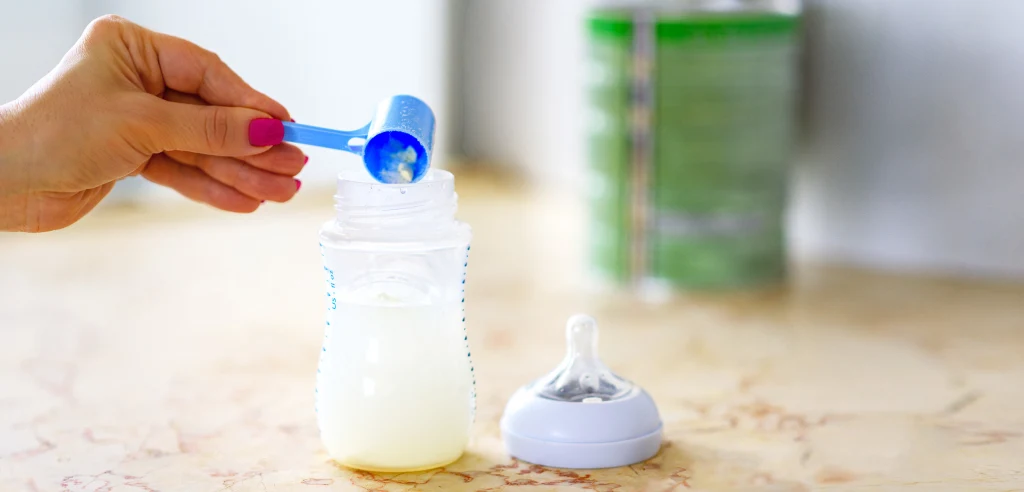
Microplastics are tiny plastic particles that can come from larger plastic items breaking down over time. They have been found in the environment, water, air, and some foods. For parents, this can sound worrying because baby feeding often involves plastic bottles, containers, pouches, snack packaging, freezer bags, lids, cups, spoons, and storage tools.
The goal is not to panic or try to remove every piece of plastic from your home. That is not realistic for most families, especially busy parents using daycare bags, small kitchens, stroller snacks, and packaged foods. The better goal is to reduce repeated, avoidable plastic exposure during daily feeding.
At Clean Baby Bites, we believe clean feeding should be practical. Parents can make meaningful changes without buying a luxury kitchen setup. The biggest wins usually come from avoiding heat with plastic, replacing damaged items, choosing better storage materials, and keeping feeding gear clean.
What Are Microplastics?
Microplastics are very small plastic pieces, generally formed when larger plastic products break down or when tiny plastic particles are released during manufacturing, use, washing, or disposal. They may be present in food and water mainly because of environmental contamination where foods are grown or raised, according to the FDA. The FDA also notes that there is not enough scientific evidence to show that microplastics and nanoplastics from plastic food packaging migrate into foods and beverages.
That means parents should stay balanced. Microplastics are a real research topic, but the science is still developing. It is reasonable to reduce unnecessary exposure, especially for babies, without assuming every plastic package is immediately dangerous.
The best approach is practical prevention: reduce high-contact, high-heat, worn-out plastic use where easy alternatives exist.
Why Baby Feeding Deserves Extra Care
Babies eat and drink often. Bottles, cups, spoons, bowls, snack containers, and pouches may touch food multiple times a day. Babies are also still developing, so parents often choose to be more careful with repeated exposures.
Microplastics are not the only concern. Some plastic products may also involve additives such as plasticizers or other food-contact chemicals. The American Academy of Pediatrics advises avoiding microwaving food or beverages in plastic when possible, including infant formula and pumped human milk.
This does not mean every plastic item must go. It means parents can focus first on the most important habit: do not heat baby food in plastic.
Avoid Heating Food in Plastic
Heating is one of the easiest habits to change. If baby food is stored in a plastic container, transfer it to glass or ceramic before warming. If a pouch needs warming, squeeze the food into a heat-safe bowl first. If formula or breast milk needs warming, follow safe feeding guidance and avoid microwaving plastic bottles.
Heat can make plastic concerns more relevant, especially when food is oily, acidic, or hot. Even if a container is labeled microwave-safe, many parents prefer using glass or ceramic for baby food because babies are small and repeated daily use matters.
A simple rule works well: plastic can be used for some storage and travel, but glass or ceramic is better for warming.
For more feeding gear guidance, visit Clean Baby Bites’ feeding gear page.
Replace Scratched or Cloudy Plastic
Old plastic feeding gear can become scratched, cloudy, stained, warped, sticky, or cracked. These items may be harder to clean and may shed more tiny particles over time. They may also trap food residue and odors.
Check baby bowls, spoons, cups, lids, storage containers, snack cups, and bottle parts regularly. If an item looks worn, smells strange, or has deep scratches, replace it.
This does not require buying expensive products. A small set of intact feeding items is better than a drawer full of old plastic pieces.
Clean feeding is often about maintenance, not perfection.
Choose Glass for Warming and Storage
Glass is one of the most useful materials for reducing plastic contact during baby feeding. Small glass containers work well for homemade purees, leftovers, oatmeal, lentils, vegetables, and freezer-friendly meals if the containers are freezer-safe.
Glass is especially helpful because food can often be stored and warmed in the same container, depending on manufacturer instructions. This reduces the need to move hot food in and out of plastic.
The downside is that glass can break and may not be allowed at daycare. Use it mainly at home for storage and reheating. For daycare or stroller bags, stainless steel or carefully chosen plastic may be more practical.
Parents can explore Clean Baby Bites’ recipes and meal ideas for baby meals that store well in small containers.
Use Stainless Steel for Travel
Stainless steel is a strong option for travel, daycare, snacks, and older babies. It is durable, does not break like glass, and can last a long time. Stainless steel snack cups, small containers, and bowls can reduce the need for plastic during outings.
The main limitation is that stainless steel cannot go in the microwave. If food needs warming, it may need to be transferred to a heat-safe dish first.
For many families, a practical setup is glass at home, stainless steel for travel, and limited plastic only where needed.
This balanced approach works better than trying to remove every plastic item overnight.
Food-Grade Silicone Can Help
Food-grade silicone can be useful for baby spoons, freezer trays, bibs, suction bowls, and some cups. It is soft, flexible, and often practical for early feeding.
Choose silicone products from reputable brands that clearly state they are food-grade. Avoid items with strong chemical smells, unclear material information, or damage. Replace silicone that becomes torn, sticky, cracked, or hard to clean.
Silicone freezer trays are especially helpful because they allow parents to freeze small baby food portions, then transfer the frozen cubes to another container. This can reduce use of single-use plastic bags for every portion.
For more small-space and clean-prep ideas, visit Clean Baby Bites’ urban parenting and feeding page.
Avoid Plastic Wrap Touching Hot Food
Plastic wrap should not touch hot baby food. If covering food while warming, use a microwave-safe glass or ceramic cover, a plate, or another safe cover that does not touch the food.
Steam and heat can increase concern around plastic contact. This is an easy exposure to reduce because there are simple alternatives.
For baby meals, small glass containers with lids are often more practical than plastic wrap anyway. They store better, stack better, and reduce waste.
Be Smart with Pouches
Baby food pouches are convenient and can fit real life. Parents may use them for daycare, errands, travel, or emergency backup. Pouches are not automatically bad, but they should be used thoughtfully.
Do not heat food inside pouches unless the package instructions allow it, and even then, transferring to a bowl is often the better habit. Once opened, pouches should be handled safely and refrigerated if saving leftovers according to package instructions.
Also remember that pouches can make babies miss some sensory feeding practice. When possible, squeeze the puree into a bowl and feed with a spoon so your baby can see, smell, and interact with the food.
For cleaner store-bought food choices, visit Clean Baby Bites’ clean baby foods page.
Reduce Single-Use Snack Packaging
Many baby snacks come in plastic bags, wrappers, tubs, and single-serve packs. These are convenient, but daily use creates more plastic contact and waste.
When possible, buy simple snacks in larger packages and portion them into clean reusable containers. However, do not overbuy. Large packages can go stale or absorb moisture if not stored well.
Use airtight containers and keep snacks dry. The goal is not only reducing plastic but also keeping food fresh and safe.
For busy families, reusable containers work best when they are easy to clean and fully dry before storing food.
Do Not Store Hot Food in Plastic
If you cook baby food at home, let it cool before placing it into plastic containers. Better yet, store warm foods in glass or stainless steel when possible.
Hot lentils, oatmeal, purees, pasta, and vegetables should not go directly into plastic storage containers as a daily habit. Heat increases concern, and baby foods are often moist, soft, and stored for repeated meals.
A simple routine is to cook, cool slightly, portion into glass containers or silicone trays, then refrigerate or freeze.
Be Careful with Freezer Bags
Freezer bags can save space, especially in tiny freezers. But they are best used for frozen storage, not heating.
A practical system is to freeze baby food in silicone trays first. Once frozen, transfer cubes into a labeled freezer bag if needed. When serving, remove only the cubes you need and warm them in glass or ceramic.
Do not microwave baby food inside plastic freezer bags. Do not pour hot food into thin plastic bags. Avoid reusing bags that are worn, stained, or difficult to clean.
Clean Baby Bites’ blog includes more ideas for freezer-friendly baby meals and clean storage routines.
Filter Water When Needed
Microplastics have been found in both tap and bottled water in some studies, and the World Health Organization reviewed evidence on microplastics in drinking water. WHO’s report notes that studies have found microplastics in treated tap and bottled water and examines possible exposure and health questions.
Parents do not need to panic over water, but they can be practical. If using tap water for formula or baby food, follow local water guidance, especially in older buildings. If using a filter, choose one based on your actual concern, such as lead, chlorine taste, or particulates, and maintain it correctly.
For formula, always follow pediatric and formula-label guidance. Water safety is about more than microplastics; lead, bacteria, and proper formula mixing also matter.
Clean Bottles and Cups Thoroughly
Tiny particles and residue are not the only concern with feeding items. Germs and mold can grow when bottle parts, straw cups, valves, and lids are not cleaned and dried properly.
The CDC advises allowing clean feeding items, bottle brushes, and wash basins to air-dry thoroughly before storing to help prevent germs and mold. It also recommends storing items in a clean, protected area after they are completely dry.
Choose cups and bottles with fewer tiny parts when possible. If a straw cup is difficult to clean, it may not be the best everyday choice. Take parts apart, wash well, air-dry fully, and replace worn pieces.
Clean feeding gear should be easy to clean in real life.
Avoid Overusing Disposable Plastic Utensils
Disposable plastic spoons and containers can be helpful during travel or emergencies, but they should not be the daily default if reusable options are available.
Reusable silicone, stainless steel, or baby-safe spoons are better for regular meals. They reduce waste and may be more comfortable for babies.
If you do use disposable utensils, avoid using them with hot food, and do not reuse items that are meant for single use.
A few durable spoons can replace many disposable ones.
Choose Less Processed Foods When Practical
Microplastic exposure is complex and can come from environmental contamination, packaging, air, and handling. One practical way to reduce packaging contact is to use more simple whole foods when realistic.
Examples include avocado, banana, oats, lentils, beans, eggs, plain yogurt, soft vegetables, and fruit prepared safely. These foods can often be bought with less packaging than individually wrapped snacks and pouches.
This does not mean packaged foods are never useful. They are helpful for busy days. The goal is balance: use packaged convenience when needed, but keep simple whole foods as the foundation.
Parents can use Clean Baby Bites’ starting solids page to build a simple, safe early feeding routine.
Watch the Dishwasher and Heat Settings
Dishwashers use heat. If plastic baby items are dishwasher-safe, follow manufacturer instructions. Some parents prefer washing plastic items by hand and using the dishwasher for glass, stainless steel, and silicone items labeled dishwasher-safe.
If plastic items become warped after dishwasher use, replace them. Warping can affect fit, cleaning, and durability.
For baby feeding, heat plus plastic is the main habit to reduce. That includes microwaving, boiling, dishwashing against instructions, and placing hot food into plastic containers.
Keep Dust and Crumbs Under Control
Microplastics can also be present in household dust, and babies often touch surfaces, trays, bibs, and high chairs. Keeping the feeding area clean can reduce what gets into food.
Wipe high chair trays before meals. Wash bibs. Clean crumbs from snack cups and stroller trays. Vacuum or wipe eating areas regularly.
This is not about sterilizing the home. It is about reducing dust, crumbs, and residues around food.
In small apartments, a quick wipe before meals can make a difference.
Avoid Fear-Based Shopping
Some brands use microplastic concerns to push expensive products. Parents should be cautious with fear-based marketing. A full “plastic-free baby feeding system” may cost a lot and may not be necessary.
Start with the highest-impact changes first:
Do not heat food in plastic.
Replace damaged plastic.
Use glass for warming.
Use stainless steel for travel.
Choose food-grade silicone for freezer trays and soft spoons.
Clean and dry feeding gear fully.
These steps are affordable and realistic.
Build a Practical Low-Plastic Feeding Setup
A simple setup might include:
Two small glass containers for warming and storage.
One silicone freezer tray.
Two soft silicone spoons.
One stainless steel snack container.
One or two intact BPA-free plastic items for daycare or travel if needed.
One easy-to-clean cup.
This is enough for many families. You do not need a large collection.
Clean feeding should simplify life, not crowd your kitchen.
Final Thoughts
Reducing microplastics in daily feeding does not require a perfect plastic-free home. Parents can lower avoidable exposure by focusing on the habits that matter most: avoid heating baby food in plastic, replace scratched or worn items, use glass or ceramic for warming, choose stainless steel for travel, use food-grade silicone where helpful, handle pouches carefully, and clean bottles and cups thoroughly.
The science around microplastics is still developing, and experts continue to study exposure and health effects. A balanced approach is best. Do not panic over every plastic item, but do reduce repeated plastic contact where simple alternatives exist.
Clean baby feeding is a full system: food choices, packaging, storage, warming, serving, cleaning, and daily routines. Small changes repeated often can make feeding feel safer without making family life harder.
For more practical baby feeding guidance, visit the Clean Baby Bites FAQ or explore Clean Baby Bites resources on clean foods, feeding gear, starting solids, avoiding toxins, and city-friendly feeding routines.