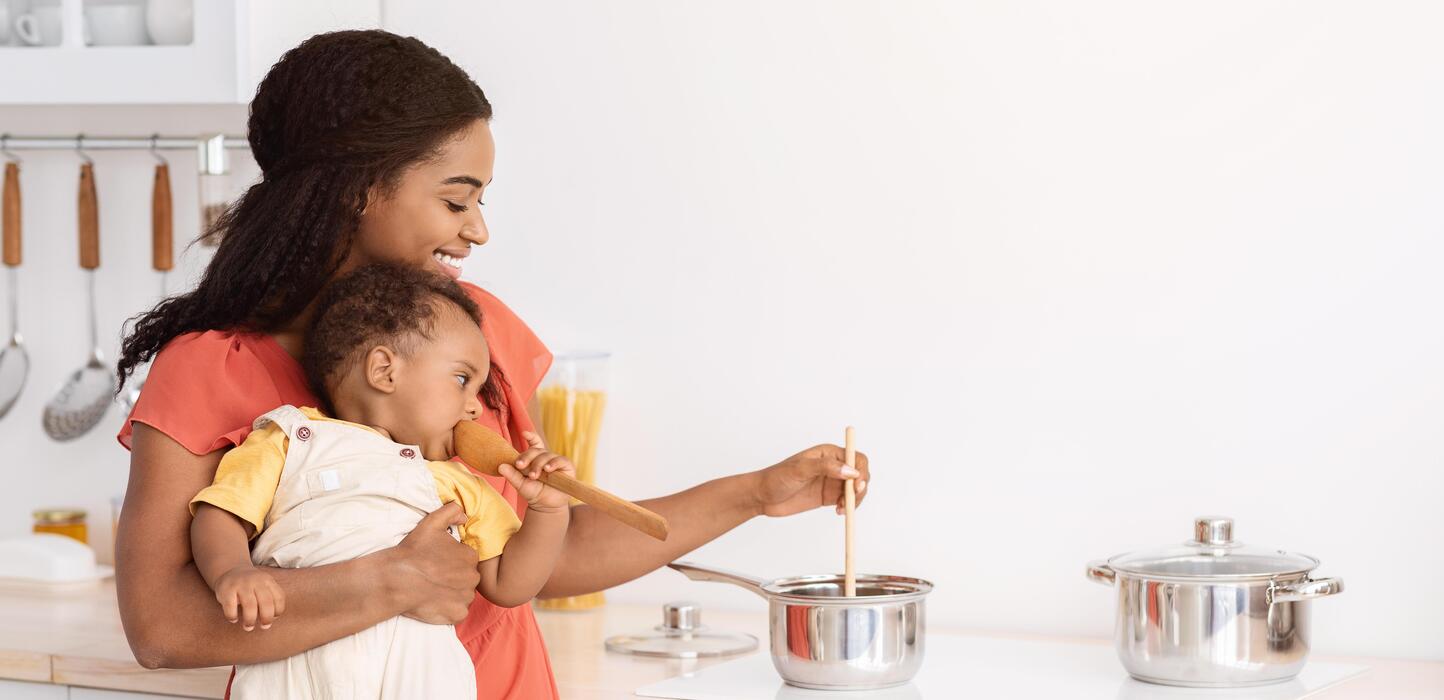
Preparing baby food at home can feel simple at first. You steam vegetables, cook oats, mash lentils, warm purees, or soften fruit. But once parents start thinking about clean feeding, another question often comes up: what cookware is safest for baby food prep?
The answer is not about buying the most expensive kitchen set. Safe cookware for baby food is about choosing materials that are durable, easy to clean, appropriate for the cooking method, and not damaged. Stainless steel, cast iron, glass, ceramic, and certain nonstick cookware can all have a place in the kitchen when used correctly. The bigger concern is often old, scratched, peeling, or poorly maintained cookware.
At Clean Baby Bites, we believe clean feeding should be practical. Parents do not need a perfect kitchen. They need a few reliable tools, safe cooking habits, and simple routines that reduce unnecessary exposure while keeping baby meals easy.
Why Cookware Matters for Baby Food
Cookware touches food during heating, steaming, boiling, baking, and reheating. Babies eat small portions, but they may eat the same foods often. This is why parents care about what materials touch baby food during cooking.
Safe cookware should not chip into food, peel, rust, trap residue, or release unwanted substances during normal use. It should also be easy to wash well, because leftover food and grease can build up on damaged or poorly cleaned surfaces.
Cookware safety is part of the bigger clean feeding system. Food ingredients matter, but so do preparation, storage, serving gear, and cleanup.
Parents can visit Clean Baby Bites’ feeding gear guide for more guidance on bowls, spoons, storage containers, and other tools that touch baby food.
Stainless Steel: A Strong Everyday Choice
Stainless steel is one of the most practical cookware materials for baby food prep. It is durable, widely available, and works well for boiling, steaming, simmering, and reheating. A small stainless steel pot can handle oatmeal, lentils, pasta, peas, carrots, apples, and many simple baby meals.
One benefit of stainless steel is that it does not have a coating that can peel like some nonstick pans. It also holds up well with regular washing and can last for years if cared for properly.
For baby food, a small stainless steel saucepan and steamer basket may be enough for many families. You do not need a full set. A reliable small pot can cook grains, legumes, fruits, and vegetables in baby-sized portions.
Stainless steel can sometimes cause food to stick, especially eggs or thick oats, but soaking and proper cleaning usually solves the issue.
Glass Cookware for Baking and Reheating
Glass cookware can be useful for baking soft fruits, reheating purees, or storing cooked foods. Oven-safe glass dishes can work well for roasted apples, pears, squash, or sweet potatoes. Glass storage containers are also useful because parents can refrigerate and reheat food without transferring it from plastic.
One important rule is to use glass only according to the manufacturer’s instructions. Not all glass is oven-safe or freezer-safe. Sudden temperature changes can cause glass to crack or break. Do not move glass directly from freezer to hot oven unless the product clearly allows it.
Glass is especially helpful for parents who want to avoid heating baby food in plastic. The American Academy of Pediatrics advises families to avoid microwaving food or drinks in plastic when possible, including infant formula and pumped human milk. Their guidance on plastic additives explains why many parents prefer glass or ceramic for warming.
Cast Iron: Useful, but Not Always Necessary
Cast iron can be a safe and durable cookware choice when properly maintained. It is excellent for some family meals and can last a very long time. However, it may not be the easiest tool for every baby food prep task.
Cast iron is heavy, needs proper seasoning, and can react with acidic foods like tomato if the seasoning is not strong. It also requires careful drying to prevent rust. For busy parents making quick baby meals, stainless steel may be easier.
One interesting point is that cooking in cast iron can increase the iron content of some foods, especially acidic or moist foods. This may sound helpful, but parents should not rely on cookware as their baby’s main iron source. Babies need iron-rich foods such as iron-fortified oatmeal cereal, lentils, beans, meats where included, eggs, and other appropriate foods.
For iron-focused feeding ideas, visit Clean Baby Bites’ clean baby foods page.
Ceramic Cookware: Check the Quality
Ceramic cookware can mean different things. Some cookware is fully ceramic, while some is metal cookware with a ceramic-style coating. These are not the same.
High-quality ceramic cookware can be useful, but parents should check whether it is food-safe, lead-free, and intended for cooking. Avoid using chipped, cracked, or damaged ceramic cookware. Chips and cracks can trap food or expose underlying materials.
Ceramic-coated nonstick pans can be convenient, but the coating can wear down over time. If the surface becomes scratched, chipped, or sticky, replace it.
Ceramic can be part of a safe kitchen, but quality and condition matter more than the word “ceramic” on the label.
Nonstick Cookware: Use with Care
Nonstick pans are popular because they make eggs, pancakes, and soft foods easier to cook. For baby meals, a nonstick pan may help with soft scrambled eggs, mini pancakes, or delicate foods.
The concern is damaged or overheated nonstick cookware. If a nonstick surface is scratched, peeling, flaking, or worn down, it should not be used for baby food. Pieces of coating should not end up in food.
Use nonstick pans on low or medium heat, follow the manufacturer’s instructions, and avoid metal utensils that scratch the surface. Do not preheat an empty nonstick pan on high heat.
For parents who only need basic baby food prep, stainless steel may be a better everyday choice because it has no coating to manage. But an intact, properly used nonstick pan can still be practical for certain foods.
Avoid Old, Peeling, or Mystery Cookware
The riskiest cookware is often not a specific material but an old, damaged, or unknown item. A scratched nonstick pan, rusty pot, chipped enamel, cracked ceramic dish, peeling coating, or mystery metal pan from unknown origins may not be ideal for baby food prep.
If cookware looks damaged, smells odd when heated, flakes into food, or is hard to clean, replace it. Babies do not need food prepared in questionable cookware.
This does not mean buying expensive new sets. A few safe, basic pieces are better than a crowded cabinet full of worn-out pans.
A simple baby food setup can include one stainless steel pot, one steamer basket, one small skillet, one oven-safe glass dish, and a few safe storage containers.
Steamer Baskets Are Very Useful
A steamer basket is one of the best tools for baby food prep. It helps soften vegetables and fruits without needing much oil or complicated cooking. Steamed carrots, peas, broccoli, cauliflower, squash, apples, and pears can be mashed or blended into safe textures.
Stainless steel steamer baskets are affordable and compact. Silicone steamers can also work if they are food-grade and used according to instructions.
Steaming is helpful because it keeps foods soft and baby-friendly. It also works well in small apartments because one pot and one basket can prepare many foods.
Parents can find more simple meal inspiration on Clean Baby Bites’ recipes and meal ideas.
Small Pots Beat Big Sets
Parents do not need a large cookware set for baby food. In fact, smaller cookware is often better. Babies eat small portions, and a small pot is easier to wash, store, and use quickly.
A small saucepan can cook oatmeal, lentils, quinoa, pasta, apples, pears, peas, and carrots. A small skillet can cook eggs or soft pancakes. A small baking dish can roast fruit or vegetables.
For city parents or small kitchens, compact cookware matters. Clean Baby Bites’ urban parenting and feeding page shares more ideas for feeding babies in limited spaces.
Buying fewer pieces also helps parents spend money where it matters most.
Choose Cookware That Cleans Easily
Baby food can be sticky. Oatmeal dries onto pots. Lentils thicken. Sweet potato clings to surfaces. Egg can stick. If cookware is difficult to clean, parents may avoid using it or may leave residue behind.
Choose cookware that can be scrubbed safely and washed thoroughly. Avoid pans with deep scratches, peeling coatings, or complicated parts that trap food.
The FDA’s guide on food safety once baby arrives reminds parents that clean utensils and safe food handling are important when preparing baby food.
Clean cookware is just as important as safe cookware material.
Be Careful with Aluminum Cookware
Aluminum cookware is common and lightweight. Many modern aluminum pans are anodized or coated, which changes how the surface interacts with food. However, old, pitted, or heavily worn aluminum cookware may not be the best choice for baby food prep, especially with acidic foods.
If using aluminum cookware, choose high-quality pieces in good condition and follow care instructions. Avoid cooking acidic foods for long periods in old or damaged aluminum pots.
Parents who want a simpler approach may prefer stainless steel for everyday baby food cooking because it is durable and widely trusted.
Again, condition matters. A well-maintained pan is usually safer than a damaged one.
Enamel-Coated Cookware
Enamel-coated cookware can be useful when intact. It provides a smooth cooking surface and can work for soups, stews, oats, and soft baby foods. But chipped enamel is a problem because chips can expose the material underneath and create rough areas where food can stick.
If enamel cookware is chipped, cracked, or flaking, do not use it for baby food. This is especially important if the damage is inside the cooking surface.
Enamel cookware can be heavy and expensive, so it is not necessary for baby food prep. But if you already own a good-quality intact piece, it can be useful.
Slow Cookers and Baby Food
Slow cookers can be helpful for baby meals because they make foods very soft. Lentils, beans, chicken, turkey, squash, oats, apples, and pears can all become baby-friendly in a slow cooker.
The inner pot material matters. Most slow cooker inserts are ceramic or coated materials. Use them only if the insert is intact, not cracked, and easy to clean. Avoid using damaged slow cooker inserts.
For baby meals, cook the base without salt, sugar, or strong seasonings. Remove the baby portion first, then season the adult portion separately.
Slow cookers can be especially useful for parents who want clean meals without standing over the stove.
Pressure Cookers and Multi-Cookers
Electric pressure cookers and multi-cookers can save time. They can cook beans, lentils, grains, vegetables, and meats quickly. For parents who already own one, it can be useful for baby meal prep.
Check that the inner pot is intact and easy to clean. Stainless steel inner pots are often preferred by parents who want to avoid nonstick coatings. If your multi-cooker has a nonstick insert and it becomes scratched or peeling, replace it.
Always follow safety instructions carefully. Pressure cookers are helpful, but they must be used properly.
Avoid Cooking Baby Food with Too Much Oil
Cookware choice matters, but cooking method matters too. Babies do not need fried foods or greasy meals. A little healthy fat can be useful, but baby meals should generally be soft, simple, and not overly oily.
Steaming, boiling, simmering, baking, and slow cooking are often good methods for baby food. They create soft textures and allow parents to control ingredients.
If sautéing, use gentle heat and avoid burning food. Burned bits and smoky cooking are not ideal for baby meals.
Clean feeding is about simple preparation as much as safe materials.
Do Not Use Cookware with Strong Residue
If a pan smells like old oil, strong spices, burnt food, soap, or metal, clean it thoroughly before using it for baby food. Babies are sensitive to strong flavors and may reject food that carries leftover taste from adult cooking.
Residue can also affect food safety. Greasy or sticky surfaces can trap particles and make cleaning harder.
If possible, use one small pot or pan mostly for baby food during the early months. This is not required, but it can simplify cleaning and reduce strong flavor transfer.
Cookware for Allergen Foods
When introducing common allergens such as egg, dairy, wheat, soy, fish, sesame, peanut, or tree nuts in safe forms, cookware and utensils should be clean to avoid confusion or cross-contact.
If your baby has a known allergy, follow pediatric guidance carefully and prevent cross-contact with that allergen. Use clean pans, clean spoons, and separate preparation surfaces as needed.
If your baby does not have known allergies, clean standard cooking practices are usually enough. But new allergen introductions should still be done thoughtfully.
Parents can review Clean Baby Bites’ starting solids page for general feeding readiness and safety information.
Reheating Baby Food Safely
Reheating is often where cookware and containers matter most. Avoid reheating baby food in plastic when possible. Use glass, ceramic, or stainless steel methods depending on the heating method.
If microwaving, use microwave-safe glass or ceramic, stir well, and check for hot spots. If warming on the stove, use a small stainless steel pot and gentle heat. If using warm water, place a sealed container in warm water and stir after warming.
Always test the temperature before serving. Baby food can feel cool on the outside and hot inside if not stirred.
Safe reheating protects babies from burns and reduces unnecessary material exposure.
Budget-Friendly Cookware Priorities
If you are building a baby food prep setup on a budget, prioritize:
One small stainless steel saucepan.
One steamer basket.
One small skillet in good condition.
One oven-safe glass or ceramic dish.
A few safe storage containers.
You do not need a full cookware set, a baby food maker, or a luxury non-toxic pan collection. Most baby meals can be made with basic tools.
Spend money on items you will use daily, not trendy products that take up space.
Final Thoughts
Safe cookware for baby food prep does not have to be complicated or expensive. Stainless steel is a strong everyday choice. Glass is useful for baking, storage, and reheating. Cast iron can work when properly maintained. Ceramic and enamel can be safe when intact. Nonstick cookware should only be used if the coating is undamaged and handled correctly.
The biggest rule is to avoid damaged cookware. Do not use scratched nonstick pans, chipped ceramic, peeling enamel, rusty pots, cracked glass, or mystery cookware that is hard to clean. Choose simple pieces that are durable, easy to wash, and appropriate for baby food.
Clean feeding is not only about ingredients. It includes cookware, storage, serving gear, and safe preparation habits.
For more practical baby feeding guidance, visit the Clean Baby Bites blog or explore the Clean Baby Bites FAQ for answers about clean foods, feeding gear, starting solids, toxins, and baby meal ideas.