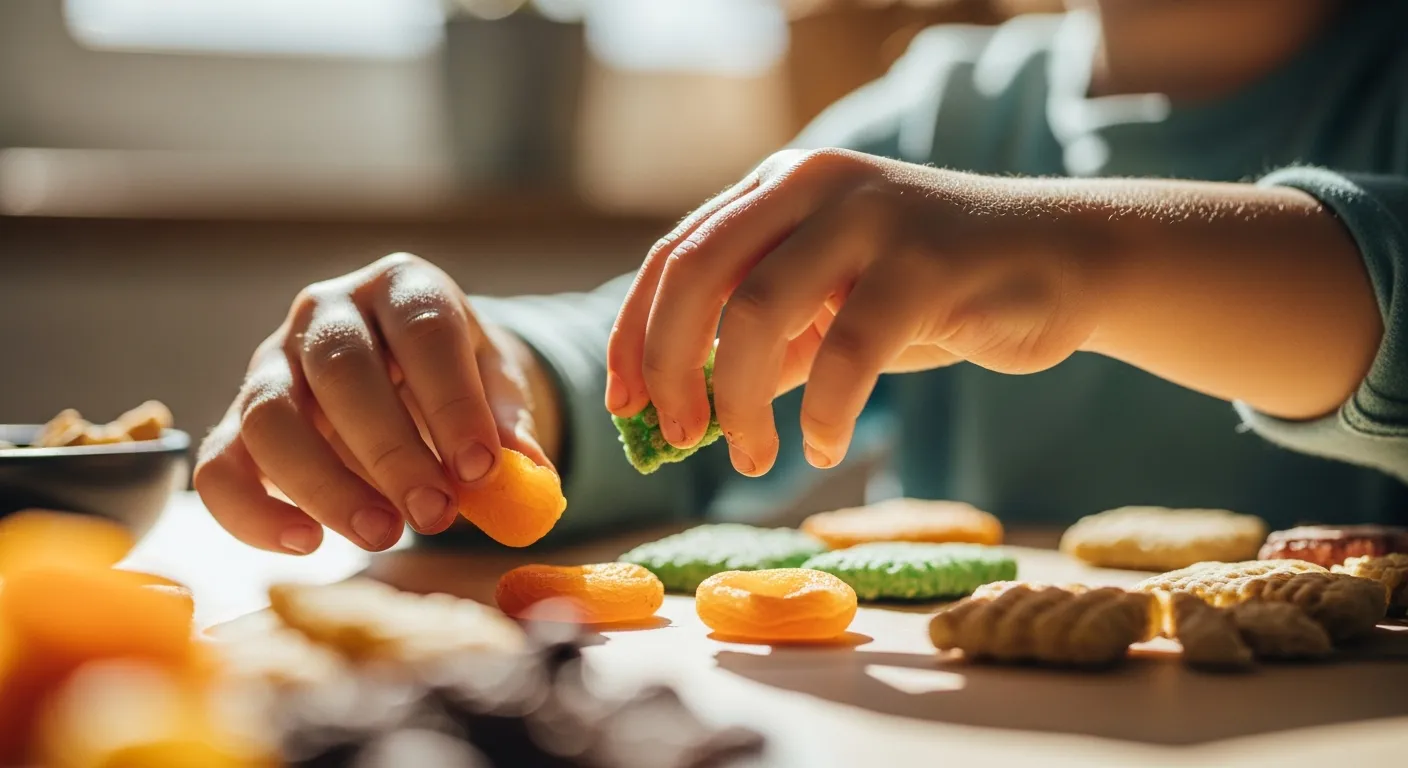
Baby snacks are supposed to make life easier. They fit in diaper bags, stroller organizers, daycare lunch boxes, apartment pantries, and kitchen drawers. For Hoboken parents juggling small-space living, waterfront humidity, daycare routines, grocery runs, and busy city schedules, packaged snacks can feel like a lifesaver.
But baby snacks can also become a hidden problem when they are not stored properly. Puffs can go stale. Teething wafers can absorb moisture. Fruit snacks can become sticky. Opened pouches can spoil. Homemade muffins can mold quickly. Even snacks that look clean and healthy can become unsafe if they sit too long in a warm stroller bag, damp pantry, or half-sealed container.
At Clean Baby Bites, we believe clean feeding is not only about ingredients. It is also about storage, freshness, packaging, and safe routines. Avoiding mold-prone baby snacks does not require fear. It requires a few simple habits that fit real life.
Why Baby Snacks Can Mold or Spoil
Mold grows best when there is moisture, warmth, food, and time. Many baby snacks contain grains, fruit, yogurt, vegetables, or soft baked ingredients. Once exposed to air or humidity, some snacks can lose freshness quickly.
Dry snacks like puffs, crackers, and wafers usually do not mold immediately, but they can absorb moisture and become stale or soft. Soft snacks like muffins, pancakes, fruit bars, cooked foods, and yogurt-based snacks can spoil faster. Opened pouches and prepared foods are more sensitive because they contain moisture.
Hoboken homes and apartments may also deal with humidity, small cabinets, limited fridge space, and stroller-bag storage. These conditions make snack storage more important.
Clean baby snacks are only clean if they are also fresh and safely stored.
Start with Smaller Snack Packages
One easy way to avoid mold-prone snacks is to buy smaller packages when possible. Large containers of baby puffs or crackers may seem cheaper, but if your baby eats them slowly, the snacks may go stale before the container is finished.
Small packages reduce the amount of food exposed to air after opening. They also make it easier to pack only what you need for daycare, errands, or stroller walks.
If you do buy larger packages, divide snacks into smaller airtight containers after opening. Keep one small container for daily use and store the rest sealed tightly.
This prevents constant opening and closing of the main package, which can let in moisture.
Use Airtight Containers
Once a snack package is opened, the original bag may not seal well enough. Baby snack bags often tear, fold poorly, or let air in. This can make snacks stale and more likely to absorb moisture.
Use airtight containers for dry snacks. Choose containers that are easy to clean, easy to dry, and sized for small portions. Clear containers can help you see what is inside and notice changes quickly.
Avoid using containers that are scratched, cracked, sticky, or hard to clean. If a container holds smells or residue, replace it.
Parents can visit Clean Baby Bites’ feeding gear guide for practical storage and container ideas.
Keep Snacks Away from Heat
Heat speeds up spoilage. Snacks stored near stoves, sunny windows, radiators, dishwashers, or warm cabinets may not stay fresh as long. In small apartments, pantry space can be limited, but storage location still matters.
Choose the coolest, driest cabinet available. Avoid storing baby snacks in a stroller basket by the window or in a diaper bag for days at a time. If snacks travel with you, empty the bag regularly and restock fresh portions.
This is especially important for soft snacks, yogurt snacks, and homemade baked items.
A snack that is safe in a cool pantry may not be safe after sitting in a warm bag all day.
Watch Stroller Bag Snacks
City parents often keep snacks in a stroller organizer or diaper bag. This is convenient, but it can also lead to forgotten snacks. A pouch, cracker pack, or snack cup may sit there for days, exposed to heat, moisture, and crumbs.
Make it a habit to clean out the stroller snack area every evening or every few days. Throw away old opened snacks. Wash snack cups. Check for crumbs, sticky residue, and torn packaging.
For Hoboken parents walking along the waterfront, through parks, to daycare, or to errands, stroller snacks are useful. But they should be rotated often.
A clean stroller bag is part of clean feeding.
Be Careful with Opened Pouches
Pouches are convenient, but once opened, they need careful handling. If your baby drinks directly from the pouch, saliva can enter the pouch. That makes leftovers less safe to save.
If you want to save part of a pouch, squeeze a portion into a bowl first and refrigerate the rest immediately according to package instructions. Do not leave opened pouches in the stroller, diaper bag, or car.
Choose pouches with no added sugar, no added salt, and simple ingredients, but remember that clean ingredients do not prevent spoilage after opening.
For more guidance on choosing safer packaged foods, visit Clean Baby Bites’ clean baby foods page.
Homemade Snacks Spoil Faster
Homemade baby muffins, pancakes, oat bites, soft bars, fruit purees, and cooked finger foods can be great options. But because they often do not contain preservatives, they may spoil faster than packaged snacks.
Store homemade snacks in the fridge or freezer unless they are meant to stay at room temperature for a short time. Use small batches. Label containers with dates. Freeze extras instead of leaving them out.
If a homemade snack smells sour, feels slimy, shows spots, or looks different from when it was made, throw it away.
Homemade can be clean, but only if stored safely.
Avoid Damp Snack Cups
Snack cups are useful, but they must be fully dry before you add snacks. If a cup is washed and still damp, dry snacks can absorb moisture. This can make them soft, clumpy, stale, or more likely to spoil.
After washing snack cups, lids, and silicone parts, let them air-dry completely. Check corners, lids, and flexible openings where water may hide.
The CDC recommends air-drying infant feeding items completely before storing them. Their guide on cleaning and sanitizing infant feeding items is useful for families washing cups, bottles, and feeding gear.
Dry storage matters. A clean but wet container can still create problems.
Check Expiration Dates
Baby snacks can sit in cabinets longer than parents realize. Always check expiration dates before serving packaged snacks. Also check how long the product should be used after opening.
Some snacks may technically be before the printed expiration date but still taste stale after being opened too long. If the smell, texture, or appearance seems off, do not serve it.
Use a first-in, first-out system. Put newer snacks behind older snacks so older items get used first.
This is a simple pantry habit that helps reduce waste and prevents forgotten foods.
Watch for Signs of Mold
Mold is not always dramatic. Sometimes it appears as fuzzy spots, dark specks, white patches, green areas, or unusual discoloration. On soft foods, mold can spread beyond the visible area.
Do not scrape mold off baby snacks and serve the rest. Babies are more vulnerable than adults, and soft foods can carry contamination beyond what you see.
Throw away moldy foods, clean the container, and check nearby foods. If mold appears inside a snack container, wash and dry it thoroughly before using again.
When in doubt, throw it out. Baby snacks are not worth the risk.
Be Careful with Fruit Bars
Fruit bars and soft snack bars can seem clean because they are made from dates, raisins, apples, or berries. But they can also be sticky and moisture-rich, which means storage matters.
Individually wrapped bars may be safer for travel than homemade bars, but they can still become too sticky or damaged in heat. Avoid leaving them in warm stroller bags or cars. Check packaging before serving.
Also remember that many fruit bars are very sweet, even with no added sugar. They may be better as occasional snacks than daily staples.
Clean Baby Bites’ recipes and meal ideas page can help parents balance packaged snacks with real-food options.
Store Yogurt Snacks Carefully
Yogurt melts and yogurt-based snacks are common baby products, but parents should read labels and storage instructions. Some are shelf-stable before opening, while fresh yogurt snacks require refrigeration.
Check whether the product has added sugar or fruit juice concentrate. Many yogurt snacks are sweeter than babies need. Choose plain yogurt options when possible, especially at home.
If packing real yogurt for daycare or outings, use an insulated bag with an ice pack. Do not leave yogurt sitting at room temperature for long periods.
The FDA’s guide on food safety once baby arrives reminds parents that safe storage and clean utensils are important when feeding babies.
Avoid Overbuying Snacks
Overbuying is one of the biggest reasons snacks go stale or spoil. It is easy to buy several flavors of puffs, bars, wafers, melts, pouches, and crackers. But babies may eat slowly, change preferences, or move to new textures quickly.
Buy fewer snacks at a time. Rotate one or two packaged options instead of filling the pantry. Use fresh and frozen foods to create variety without storing too many open packages.
This also saves money and reduces clutter in small Hoboken kitchens.
A clean baby pantry should be simple enough to manage.
Use Freezer Storage for Homemade Snacks
If you make homemade baby pancakes, muffins, oat bites, or vegetable patties, freeze most of the batch. Keep only one or two days’ worth in the fridge.
Freeze snacks in small portions, label them with the date, and thaw only what you need. This prevents homemade snacks from sitting too long in the fridge.
For babies, thawed snacks should be served in safe textures and checked for temperature. Avoid reheating in plastic when possible. Use glass or ceramic for warming.
For small-space storage tips, visit Clean Baby Bites’ urban parenting and feeding page.
Choose Snacks with Less Moisture for Travel
For longer outings, dry snacks are usually easier than moist foods. But dry does not mean any snack is fine. Choose age-appropriate snacks with simple ingredients, no added sugar, low sodium, and minimal rice-based fillers when possible.
For travel, individually portion snacks into dry containers. Keep wet foods like yogurt, opened pouches, and homemade soft snacks cold.
If the weather is warm or humid, rely more on shelf-stable unopened snacks and less on homemade moist foods unless you have proper cold storage.
Travel snacks should be convenient and safe.
Think About Humidity
Humidity can affect snack texture. Crackers soften, puffs become stale, and powders can clump. In humid apartments, airtight storage is especially important.
If your cabinet is damp, avoid storing baby snacks there. Use sealed containers and keep snacks away from under-sink areas, windows, or places where moisture collects.
If you notice frequent dampness or mold in cabinets, clean the area and address the moisture source if possible. Baby food should not be stored in musty spaces.
Clean feeding includes the environment where food is kept.
Avoid Rice-Based Snacks as Everyday Staples
Many baby puffs and teething wafers are rice-based. They may be convenient, but rice can absorb arsenic from soil and water more than many other grains. These snacks should not become the daily default.
The American Academy of Pediatrics’ HealthyChildren.org guide on heavy metals in baby food recommends offering a variety of grains and limiting reliance on rice-based foods.
Choose oat-based, legume-based, or other non-rice options when possible. Also offer real soft foods like avocado, banana, steamed vegetables, yogurt, beans, and oatmeal.
Avoiding mold is important, but ingredient variety matters too.
Make a Weekly Snack Check Routine
A weekly snack check can prevent problems. Pick one day each week to review your baby snack drawer, diaper bag, stroller bag, daycare bag, and fridge.
Throw away expired or stale snacks. Wash snack cups. Check pouches. Rotate older items to the front. Freeze homemade snacks that will not be used soon. Clean crumbs from bags and organizers.
This routine takes only a few minutes but keeps snacks safer and fresher.
For busy parents, small routines work better than big cleanouts.
Daycare Snack Packing Tips
If packing snacks for daycare, keep them simple and clearly labeled. Use small portions so food is not sitting open for too long. Ask daycare how snacks are stored and whether refrigeration is available.
Good daycare snack options may include plain yogurt kept cold, soft fruit prepared safely, oatmeal portions, simple pouches, or low-sugar packaged snacks. Avoid sending snacks that spoil quickly unless they can be stored safely.
Label containers with your baby’s name, date, food name, and serving instructions.
For daycare feeding ideas, visit the Clean Baby Bites blog.
Clean Containers After Every Use
Snack cups and containers should be washed after use, not just refilled. Crumbs, saliva, moisture, and oils can remain inside and create unpleasant buildup.
Take apart lids, silicone flaps, and small parts. Wash thoroughly and air-dry completely before storing.
If a container smells sour or musty even after washing, replace it. Baby snacks should not be stored in containers that already smell off.
Clean storage starts with clean containers.
Final Thoughts
Hoboken moms and parents can avoid mold-prone baby snacks with simple, realistic habits. Buy smaller packages, use airtight containers, keep snacks away from heat and humidity, clean stroller bags, refrigerate opened pouches, freeze homemade snacks, dry snack cups fully, and check expiration dates regularly.
Mold prevention is not only about throwing away spoiled food. It is about building a storage routine that keeps snacks fresh and safe. In small city homes, that routine matters even more because snacks often live in cabinets, diaper bags, stroller organizers, daycare bags, and tiny fridge spaces.
Clean baby snacks should be low in added sugar, low in sodium, age-appropriate, and safely stored. Ingredients matter, but freshness and handling matter too.
For more practical baby feeding guidance, visit the Clean Baby Bites FAQ or explore Clean Baby Bites resources on clean foods, feeding gear, starting solids, avoiding toxins, and city-friendly feeding routines.