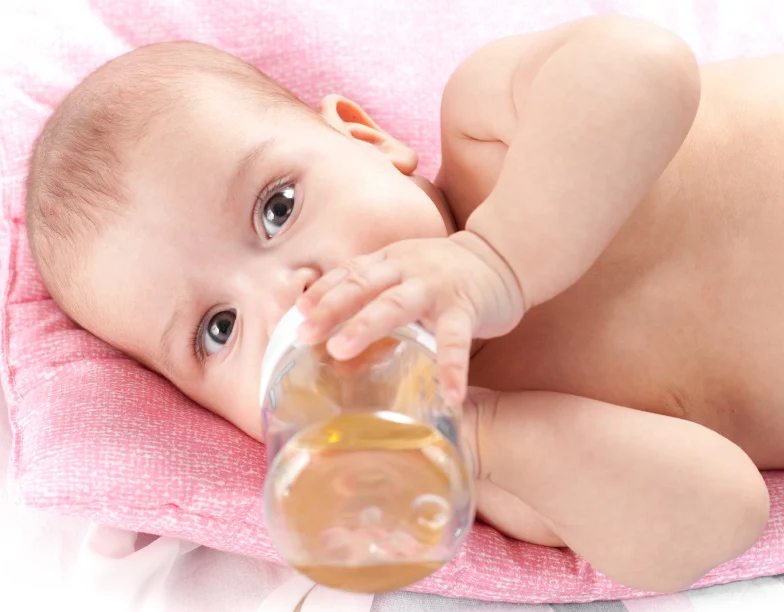
Plastic is everywhere in baby feeding. Bottles, sippy cups, snack containers, storage tubs, freezer bags, pouch caps, lids, bowls, plates, spoons, formula scoops, lunch boxes, and packaged baby foods often involve plastic in some way. For parents trying to feed cleanly, this can create a lot of worry. Is plastic always unsafe? Does BPA-free mean safe? Should every family switch to glass and stainless steel? Is silicone better? What about heating food?
The truth is balanced. Plastic can be convenient, lightweight, affordable, and practical. It is not automatically dangerous in every use. But some plastic habits are worth avoiding, especially heating food in plastic, using damaged containers, storing hot foods in plastic, or trusting vague “safe” labels without understanding how the item should be used.
At Clean Baby Bites, we believe clean feeding should be realistic. Parents do not need to throw away every plastic item overnight. A smarter approach is to reduce higher-risk uses, choose safer alternatives where they matter most, and keep feeding routines practical.
Plastic Is Convenient, but Use Matters
Plastic became common in baby feeding because it is hard to break, easy to carry, and cheaper than many alternatives. For busy parents, this matters. A plastic snack cup may survive a stroller ride. A lightweight daycare container may be easier than glass. A plastic lid may prevent leaks in a lunch bag.
The issue is not only whether plastic exists in your home. The issue is how the plastic is used. Plastic that holds cool dry snacks for a short time is different from plastic that is microwaved with hot puree every day. A new intact BPA-free cup is different from an old scratched container that has been heated repeatedly.
Clean feeding is not about panic. It is about reducing avoidable exposure where simple swaps make sense.
Parents can explore Clean Baby Bites’ feeding gear guide for practical gear choices.
BPA-Free Does Not Mean Perfect
Many baby products say BPA-free, and that can be helpful. BPA, or bisphenol A, has been used in some plastics and food-contact materials. The FDA says its regulations were amended so BPA-based polycarbonate resins are no longer used in baby bottles and sippy cups.
However, BPA-free does not mean a product is automatically the best choice for every use. A plastic item may be free from BPA but still made with other additives. It may also become scratched, warped, stained, or damaged over time. How the item is used still matters.
A good rule is simple: choose BPA-free if buying plastic baby gear, but do not treat that label as permission to heat baby food in plastic or use damaged containers forever.
Avoid Heating Baby Food in Plastic
One of the most important plastic habits to change is heating. Heat can increase the chance of chemicals moving from plastic into food. This is why many pediatric and environmental health sources recommend avoiding microwaving food and drinks in plastic.
The American Academy of Pediatrics advises parents to avoid microwaving food or beverages in plastic when possible, including infant formula and pumped human milk.
A practical routine is easy: store food however you need to, but transfer it to glass or ceramic before warming. Stir well after heating, check for hot spots, and let the food cool before serving.
This one habit can reduce concern without requiring parents to replace every plastic item in the kitchen.
“Microwave-Safe” Does Not Mean Best for Babies
A container labeled microwave-safe usually means it is designed not to melt or break down physically under normal microwave use. It does not always mean it is the ideal choice for heating baby food every day.
For babies, it is reasonable to be more cautious. Their bodies are small, they are developing quickly, and they may eat from the same containers repeatedly. If you can warm food in glass or ceramic instead, that is usually a better habit.
This does not mean one accidental microwave use is a crisis. It means daily routines matter. Repeated heating in plastic is worth avoiding when simple alternatives are available.
Clean feeding is built from repeated small choices, not perfect one-time decisions.
Replace Scratched or Damaged Plastic
Plastic wears out. It can become scratched, cloudy, stained, warped, sticky, cracked, or rough. Damaged plastic may be harder to clean and may not be ideal for baby feeding.
If a plastic bowl smells like old food, has deep scratches, or looks warped from heat, replace it. If a cup valve is torn or a lid no longer seals properly, replace it. If a plastic spoon has bite marks or rough edges, replace it.
This is one of the cheapest ways to make baby feeding safer. You do not need luxury gear. You need clean, intact gear.
A small set of well-maintained feeding items is better than a drawer full of old plastic pieces.
Be Careful with Plastic Bottles
Many baby bottles today are made without BPA, but bottle care still matters. Bottles are used often, washed often, and sometimes warmed. They should be inspected regularly.
Avoid pouring very hot liquids into plastic bottles unless the product instructions say it is safe. Do not microwave bottles in plastic. Check nipples, collars, valves, and vents for wear. Replace parts that are cracked, sticky, torn, cloudy, or damaged.
The CDC recommends cleaning baby bottles after every feeding and taking apart all bottle parts before washing. It also warns that germs can grow quickly if breast milk or formula is added to a partially used bottle or if a used bottle is only rinsed instead of cleaned.
Plastic concerns matter, but basic cleaning and storage are just as important for bottle safety.
Plastic Pouches Are Convenient, but Not Perfect
Baby food pouches are usually made from layered materials that may include plastic. They are convenient, lightweight, and easy for daycare, travel, and errands. Many parents rely on them, and they can be part of a clean feeding routine.
Still, pouches have limits. They are not meant for heating unless the product instructions clearly allow it, and even then, many parents prefer transferring the food to a bowl first. Pouches also encourage sucking rather than spoon feeding, smelling, touching, and seeing the food.
When possible, squeeze pouch food into a bowl and serve with a spoon. This supports feeding development and gives you a better look at the food.
Choose pouches with simple ingredients, no added sugar, and no unnecessary salt. For more food guidance, visit Clean Baby Bites’ clean baby foods page.
Plastic Wrap and Hot Food
Plastic wrap should not touch hot baby food. If covering a bowl in the microwave, use a microwave-safe cover that does not touch the food, or choose a glass or ceramic cover when available. Better yet, avoid microwaving plastic around baby food when possible.
Hot food, steam, and plastic contact are not a great combination for daily baby feeding. Small changes help: use a plate, silicone cover designed for food use, or glass container lid if appropriate.
Again, the goal is not fear. The goal is avoiding repeated habits that are easy to change.
Freezer Bags and Baby Food
Freezer bags can be useful for storing baby food cubes, especially in tiny freezers. They save space compared with bulky containers. But they are usually best for frozen storage, not heating.
Freeze baby food in silicone trays or small containers first, then transfer frozen cubes into labeled freezer bags. When ready to serve, remove a cube and warm it in glass or ceramic.
Do not microwave baby food directly in a plastic freezer bag. Do not reuse single-use bags for hot food storage. If bags become torn, stained, or hard to clean, discard them.
For freezer meal ideas and storage tips, parents can visit Clean Baby Bites’ recipes and meal ideas.
Silicone Is Different from Plastic, but Quality Matters
Many parents choose silicone as an alternative to plastic. Food-grade silicone is common in baby spoons, bowls, bibs, freezer trays, cups, and teethers. It is soft, flexible, and often practical for babies.
Silicone can be a good option, especially for spoons and freezer trays. But quality matters. Choose products that clearly state food-grade silicone and come from reputable brands. Avoid products with strong chemical smells, unclear material details, or damage.
Silicone can also hold odors or oily residue if not cleaned well. Follow care instructions and replace silicone items that become torn, sticky, cracked, or hard to clean.
Silicone is useful, but it is not a reason to stop thinking about cleaning, heat, and wear.
Glass and Stainless Steel Are Useful Alternatives
Glass and stainless steel can reduce reliance on plastic. Glass is especially useful for storing and warming baby food. Stainless steel is durable, lightweight, and good for daycare or travel when glass is not allowed.
Glass can break, so it may not be ideal for baby self-feeding unless closely supervised. Stainless steel cannot go in the microwave, so food may need to be warmed separately. Both materials have tradeoffs, but they are strong options when used correctly.
A practical setup might include glass containers for home storage and warming, stainless steel containers for daycare, silicone spoons for early feeding, and limited plastic for cool travel foods.
Clean Baby Bites’ feeding gear page can help parents compare materials without overspending.
Do Not Panic About Every Plastic Contact
Parents can feel overwhelmed if they try to eliminate every plastic item. Baby food packaging, grocery packaging, bottle parts, lids, storage bags, and household items often include plastic. Complete avoidance may not be realistic.
The better goal is reducing higher-risk contact. Avoid heating plastic. Avoid damaged plastic. Avoid storing hot food in plastic. Use glass or stainless steel where it makes sense. Choose simple packaging when possible. Keep baby feeding gear clean and intact.
This approach is much more realistic than trying to create a plastic-free home overnight.
Clean feeding should reduce stress, not create impossible rules.
Watch for Phthalates
Phthalates are chemicals used in some plastics and food-contact materials, often to make plastics flexible. The FDA says phthalates are not authorized to be directly added to food, but some phthalates are currently allowed in certain food-contact applications, and FDA continues to review their uses.
For parents, the practical advice is similar to BPA: avoid heating plastic, avoid old or damaged plastic, reduce use of flexible plastic packaging when reasonable, and choose glass, stainless steel, or food-grade silicone for repeated baby feeding uses.
You do not need to understand every chemical name to make better choices. The safest habits are usually simple and repeatable.
Plastic and Packaged Baby Snacks
Many baby snacks come in plastic bags, plastic tubs, or plastic-lined packaging. Packaging helps keep food fresh, but parents should still pay attention to the food inside.
A snack in “clean-looking” packaging may still contain added sugar, sodium, rice flour, or fruit juice concentrate. Plastic-free packaging does not automatically make a snack healthier, and plastic packaging does not automatically make a food bad.
Read the ingredient list and nutrition label first. Choose snacks with simple ingredients, no added sugar, low sodium, and minimal reliance on rice-based ingredients.
For help reducing hidden concerns in food choices, visit Clean Baby Bites’ avoiding toxins page.
Cleaning Plastic Feeding Items
Plastic feeding items should be cleaned well and dried completely. Bottles, lids, straw cups, valves, snack cups, and suction parts can trap food and liquid.
The CDC recommends separating infant feeding item parts, washing them carefully, and allowing them to air-dry. Dishwasher-safe items may be cleaned in the dishwasher using hot water and a heated drying or sanitizing setting when possible.
Choose plastic items with fewer tiny parts when possible. If a cup is too hard to clean, it may not be the best choice for daily use.
Cleanability is part of safety.
Plastics in Older Apartments and Small Kitchens
Parents in small city apartments may rely on plastic because it is lightweight and easy to store. That is understandable. A tiny kitchen may not have space for full glass sets or heavy containers.
A realistic small-space setup might include two glass containers for warming, a few stainless or silicone items for daily use, and some BPA-free plastic containers for travel or daycare. The key is to avoid heating in plastic and replace worn pieces.
For more city-friendly feeding routines, visit Clean Baby Bites’ urban parenting and feeding page.
Clean feeding should work in the kitchen you actually have.
How to Transition Away from Too Much Plastic
If you want to reduce plastic, do it gradually. Start with the items that get heated most often. Replace those first with glass or ceramic. Next, replace old scratched containers. Then consider stainless steel for daycare or travel. Finally, simplify your cups and snack containers.
You do not need to throw away every plastic spoon, lid, or container immediately. A gradual transition is more affordable and less wasteful.
A simple order of priority:
Stop heating food in plastic.
Replace damaged plastic.
Use glass for warming.
Use stainless steel or silicone for daily serving.
Keep limited plastic for low-risk convenience.
This approach protects your budget and keeps feeding practical.
Avoid Fear-Based Marketing
Some brands make parents feel that their baby is unsafe unless they buy expensive plastic-free sets. Be cautious with fear-based marketing. Look for clear material information, safety guidance, care instructions, and practical design.
A product being expensive does not automatically make it safer. A product being natural-looking does not automatically make it better. Bamboo, silicone, stainless steel, glass, and plastic all need proper care and safe use.
Parents should feel informed, not pressured.
The Bigger Feeding Picture Still Matters
Plastic is one part of clean feeding, but it is not the only part. A baby eating a varied diet with safe textures, low added sugar, limited sodium, iron-rich foods, and careful food handling is getting a strong foundation.
Do not focus so much on plastic that you forget nutrition, choking safety, allergen introduction, food variety, and responsive feeding.
Parents can visit Clean Baby Bites’ starting solids page for guidance on the bigger feeding journey.
Clean feeding is a whole system: food, gear, storage, preparation, serving, and cleanup.
Final Thoughts
The truth about plastics and baby feeding is balanced. Plastic is common and convenient, but it should be used thoughtfully. BPA-free is helpful, but it does not make plastic perfect. Heating food in plastic is a habit worth avoiding. Damaged plastic should be replaced. Bottles, cups, lids, and straw parts must be cleaned carefully and dried fully.
Parents do not need a completely plastic-free kitchen. They can reduce exposure by using glass for warming, stainless steel for durable travel, food-grade silicone for spoons and freezer trays, and plastic only where it makes practical sense.
Clean feeding is not about panic or perfection. It is about small, smart habits that are easy to repeat.
For more practical baby feeding guidance, visit the Clean Baby Bites blog or explore the Clean Baby Bites FAQ for answers about feeding gear, clean foods, starting solids, toxins, and baby meal ideas.