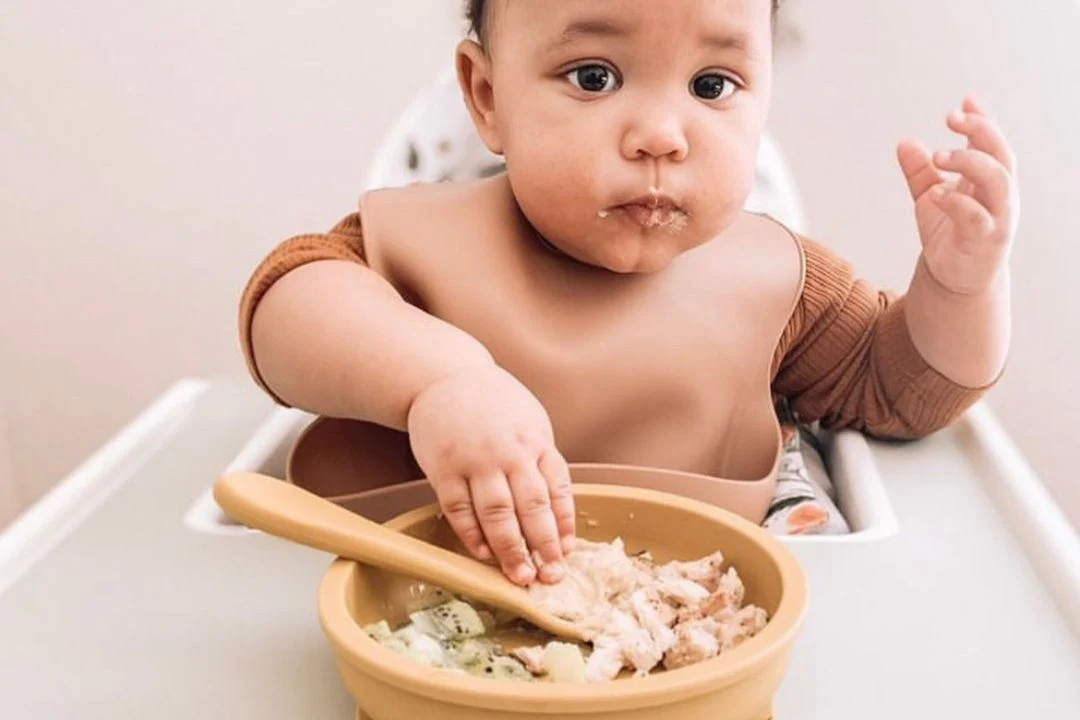
Baby lunch does not always need a stove, oven, blender, or full meal-prep session. Some days, parents need food that can be made quickly with almost no effort. Maybe the baby is hungry now. Maybe the kitchen is already messy. Maybe you are packing daycare lunch before work. Maybe you live in a small apartment with limited counter space. Whatever the reason, zero-cooking baby lunches can be a huge help.
Zero cooking does not mean low quality. A clean baby lunch can be simple, soft, safe, and nourishing without turning on the stove. The key is choosing foods that are age-appropriate, low in added sugar and salt, easy to mash or serve, and balanced across the week.
At Clean Baby Bites, we believe clean feeding should fit real life. Babies do not need complicated meals every day. They need safe textures, variety, and calm feeding routines that parents can actually maintain.
Start with Safe Texture First
Before serving any no-cook lunch, make sure the texture matches your baby’s stage. A baby just starting solids may need smooth purees or soft mashed foods. A baby with more practice may handle thicker mashes. Older babies may be ready for soft finger foods.
The CDC’s guide on when, what, and how to introduce solid foods explains that babies can begin solids around 6 months when they show readiness signs. Texture should progress slowly and safely.
Avoid choking hazards such as whole grapes, popcorn, nuts, hard raw vegetables, large apple chunks, thick globs of nut butter, and sticky hard foods. A lunch can be clean and still unsafe if the shape or texture is wrong.
Parents can also use Clean Baby Bites’ starting solids guide for more help with readiness and safe feeding.
1. Avocado and Bean Mash
Avocado and bean mash is one of the easiest zero-cooking baby lunches. Use ripe avocado and no-salt-added canned beans. Rinse the beans well, then mash them thoroughly with avocado until soft and creamy.
Black beans, white beans, pinto beans, or chickpeas can all work. For younger babies, mash very smooth. For older babies, leave the texture a little thicker if they can handle it safely.
This lunch provides healthy fats, plant-based protein, fiber, and minerals. It is also naturally savory, which helps babies learn flavors beyond sweet fruit.
No salt is needed. If the mash feels too thick, add a little breast milk, formula, water, or plain yogurt if dairy has already been introduced.
2. Plain Yogurt with Oats and Fruit
Plain full-fat yogurt can be a quick lunch base if your baby has already been introduced to dairy and tolerates it. Choose plain, unsweetened yogurt instead of flavored yogurt, because many flavored yogurts contain added sugar.
Mix yogurt with soft fruit such as mashed banana, cooked apple from a jar with no added sugar, ripe pear, or mashed berries prepared safely. Add soft oats or iron-fortified infant oatmeal cereal if you want the meal to be more filling.
The American Academy of Pediatrics explains that children under 2 should avoid added sugars in its guidance on added sugar in children’s diets. Plain yogurt with real fruit is a better option than sweetened yogurt cups.
For more simple ideas, visit Clean Baby Bites’ recipes and meal ideas.
3. No-Cook Hummus-Style Chickpea Mash
Traditional hummus can be salty or strongly flavored, but a baby-friendly chickpea mash can be very simple. Use no-salt-added canned chickpeas, rinse well, and mash with water, breast milk, formula, or a little olive oil if appropriate.
If your baby has already been introduced to sesame safely, you can add a small amount of tahini. Sesame is a common allergen, so introduce it carefully and ask your pediatrician if you have concerns.
Serve the mash alone for younger babies or spread a thin layer on soft age-appropriate toast strips for older babies. Avoid thick sticky textures that may be difficult to swallow.
This lunch is easy, filling, and does not require cooking.
4. Avocado Yogurt Bowl
An avocado yogurt bowl is creamy, mild, and quick. Mash ripe avocado into plain unsweetened yogurt. This creates a soft lunch with healthy fats and protein.
For extra texture, add infant oatmeal cereal, soft mashed beans, or fruit if your baby is ready. For a savory version, mix in mashed peas from a thawed baby-safe puree or a store-bought vegetable puree with no added salt.
This meal works well for parents who want something more balanced than a fruit pouch but still need lunch in minutes.
Clean Baby Bites’ clean baby foods guide can help parents choose simple foods that mix well without cooking.
5. Store-Bought Puree with a Protein Boost
Pre-made purees can be useful when chosen carefully. For a zero-cooking lunch, use a simple store-bought puree and add a protein or fat source.
For example, mix a vegetable puree with mashed beans, plain yogurt, avocado, or infant oatmeal cereal. This makes the meal more balanced than a plain fruit pouch.
Read labels carefully. Choose purees with no added sugar, no added salt, and simple ingredients. Many pouches are mostly apple, pear, or banana even when vegetables are shown on the front.
If possible, squeeze pouch puree into a bowl and serve with a spoon. This helps babies see, smell, and interact with food instead of only sucking it down.
6. Soft Fruit and Nut Butter Oat Mash
For babies who have already been introduced to peanut, almond, or seed butter safely, a soft fruit and nut butter oat mash can be a quick no-cook lunch.
Mix infant oatmeal cereal or soft prepared oats with mashed banana or unsweetened applesauce. Stir in a very small amount of nut or seed butter, thinned well with water, breast milk, formula, or yogurt if already introduced.
Thick globs of nut butter are not safe for babies. The texture should be smooth, thin, and easy to swallow.
This meal provides energy, healthy fats, and flavor variety. Avoid honey, syrup, or added sugar.
7. Cottage Cheese and Soft Fruit
For older babies who have already tolerated dairy, cottage cheese can be a quick lunch option. Choose a lower-sodium option when possible, because many cottage cheeses contain added salt.
Mash or chop curds if needed for texture safety. Mix with soft fruit such as mashed banana, ripe pear, peach, or berries prepared safely.
Because cottage cheese can be salty, it should not be an everyday baby food unless you have found a suitable low-sodium option and your pediatrician agrees it fits your baby’s diet.
This is a good example of label reading. A food may seem simple, but sodium still matters.
8. Bean, Avocado, and Soft Tortilla Strips
For older babies ready for soft finger foods, bean and avocado with soft tortilla strips can be a simple no-cook lunch. Use no-salt-added beans, rinse well, and mash with avocado. Spread a thin layer on a soft tortilla and cut into safe strips.
Choose tortillas with simple ingredients and lower sodium when possible. Many packaged breads and tortillas contain salt, so check labels.
For younger babies, skip the tortilla and serve the bean-avocado mash alone.
This meal is easy to pack for daycare if the daycare allows the ingredients and your baby has already handled the texture safely.
9. Tofu and Fruit-Veggie Mash
Plain tofu can be served without cooking if it is ready-to-eat and handled safely, though some parents prefer warming or cooking it. For a zero-cooking lunch, use plain tofu and mash it with avocado, vegetable puree, or soft fruit.
Tofu is a soy food, and soy is a common allergen. Introduce it thoughtfully and ask your pediatrician if your baby has allergy concerns.
A tofu and avocado mash is savory and protein-rich. A tofu and mango mash is softer and slightly sweet. A tofu and pea puree can introduce more vegetable flavor.
Avoid marinated tofu, salty sauces, soy sauce, and spicy seasonings. Baby portions should stay plain and mild.
10. No-Cook Lentil Pouch Bowl
Some store-bought baby foods include lentils, beans, or vegetables in pouches or jars. These can be useful for zero-cooking lunches if the ingredients are simple and low in sodium.
Choose a lentil or vegetable blend with no added sugar and no added salt. Pour it into a bowl and mix with avocado, plain yogurt, or infant oatmeal cereal to adjust texture and nutrition.
This is especially useful for city parents who need quick meals for daycare, errands, or small kitchens. Clean Baby Bites’ urban parenting and feeding page has more practical ideas for feeding in busy homes.
11. Banana, Yogurt, and Oat Bowl
This is a simple lunch that works when you have almost nothing prepared. Mash banana, stir into plain yogurt, and add infant oatmeal cereal or soft oats.
It is quick, soft, and easy to adjust. However, because it is naturally sweet, rotate it with savory lunches during the week. Babies also need chances to enjoy vegetables, beans, lentils, eggs, tofu, and other non-sweet foods.
Clean feeding is about the overall pattern, not one meal. A banana yogurt bowl can be useful, but it should not be the only lunch your baby eats.
12. Avocado and Salmon Pouch Mash
For families who use store-bought plain salmon pouches or canned salmon, this can be a no-cook option if the product is fully cooked, low sodium, and carefully checked for bones. Mix a small amount with avocado to create a moist mash.
Fish is a common allergen, and mercury matters. The FDA and EPA provide advice on eating fish, including lower-mercury choices for children and pregnant people. Salmon is generally considered a better choice.
Make sure the fish is plain, low in sodium, and served in a safe texture. If you are unsure, ask your pediatrician before offering fish.
Use Pantry Foods Carefully
Zero-cooking meals often rely on pantry foods like canned beans, pouches, cereal, nut butter, and packaged purees. These can be helpful, but labels matter.
Look for no added sugar, low sodium, no honey for babies under 12 months, and simple ingredients. Avoid rice-heavy snacks or rice-based foods as daily staples because rice can contain more arsenic than many other grains.
The American Academy of Pediatrics’ HealthyChildren.org guide on heavy metals in baby food recommends variety, especially with grains.
For more practical guidance on reducing unwanted exposure, visit Clean Baby Bites’ avoiding toxins page.
Keep Zero-Cook Lunches Balanced
A balanced zero-cook lunch usually includes at least two of these: protein, healthy fat, produce, and grain. You do not need every category at every meal, but thinking this way helps avoid fruit-only lunches all the time.
Examples:
Beans plus avocado.
Yogurt plus oats and fruit.
Chickpeas plus vegetable puree.
Tofu plus avocado.
Puree plus oatmeal cereal.
Nut butter thinned into oats with fruit.
These combinations are simple but more nourishing than a sweet pouch alone.
Store and Serve Safely
Zero-cooking does not mean zero food safety. Wash hands, use clean bowls and spoons, refrigerate opened foods, and avoid saving leftovers that your baby has eaten from directly.
If packing lunch for daycare, use an insulated bag and ice pack for perishable foods like yogurt, tofu, fish, or opened purees. Label containers clearly with name, date, food contents, and serving instructions.
The FDA’s guide on food safety once baby arrives offers practical reminders about safe handling and storage for baby food.
Clean feeding includes safe storage, not just clean ingredients.
Best Gear for No-Cook Baby Lunches
You do not need much gear for no-cook lunches. Helpful basics include a small bowl, fork, soft spoon, bib, small storage containers, insulated lunch bag, ice pack, and a clean surface for prep.
If you are packing for daycare or errands, small leak-proof containers are useful. If you use pouches, a spoon and bowl can help turn pouch feeding into a more complete meal experience.
Clean Baby Bites’ feeding gear guide can help parents choose practical tools without cluttering the kitchen.
The best gear makes feeding easier, not more complicated.
Avoid These No-Cook Mistakes
Some no-cook foods are not safe for babies. Avoid whole nuts, popcorn, whole grapes, hard raw vegetables, large chunks of fruit, thick nut butter, honey before 12 months, high-sodium deli foods, salty cheeses, sweetened yogurts, juice, and adult snack foods.
Also avoid assuming that “natural” means baby-safe. A raw carrot is natural, but it is not safe for a young baby in hard pieces. Honey is natural, but not safe before 12 months. Nut butter is nutritious, but dangerous if served in thick globs.
Safety depends on age, texture, preparation, and ingredients.
Final Thoughts
Baby lunch does not have to require cooking. With the right staples, parents can create clean, safe, nourishing meals in minutes. Avocado and bean mash, plain yogurt with oats and fruit, hummus-style chickpea mash, avocado yogurt bowls, store-bought puree with protein, tofu mash, lentil pouch bowls, and banana oat yogurt bowls can all work when prepared safely.
The key is balance. Avoid added sugar, limit sodium, choose simple ingredients, use safe textures, and rotate sweet meals with savory ones. Zero-cook lunches should make life easier without turning into fruit-only feeding.
For more practical baby feeding guidance, visit the Clean Baby Bites blog or explore the Clean Baby Bites FAQ for answers about starting solids, clean foods, toxins, feeding gear, and city-friendly baby meals.