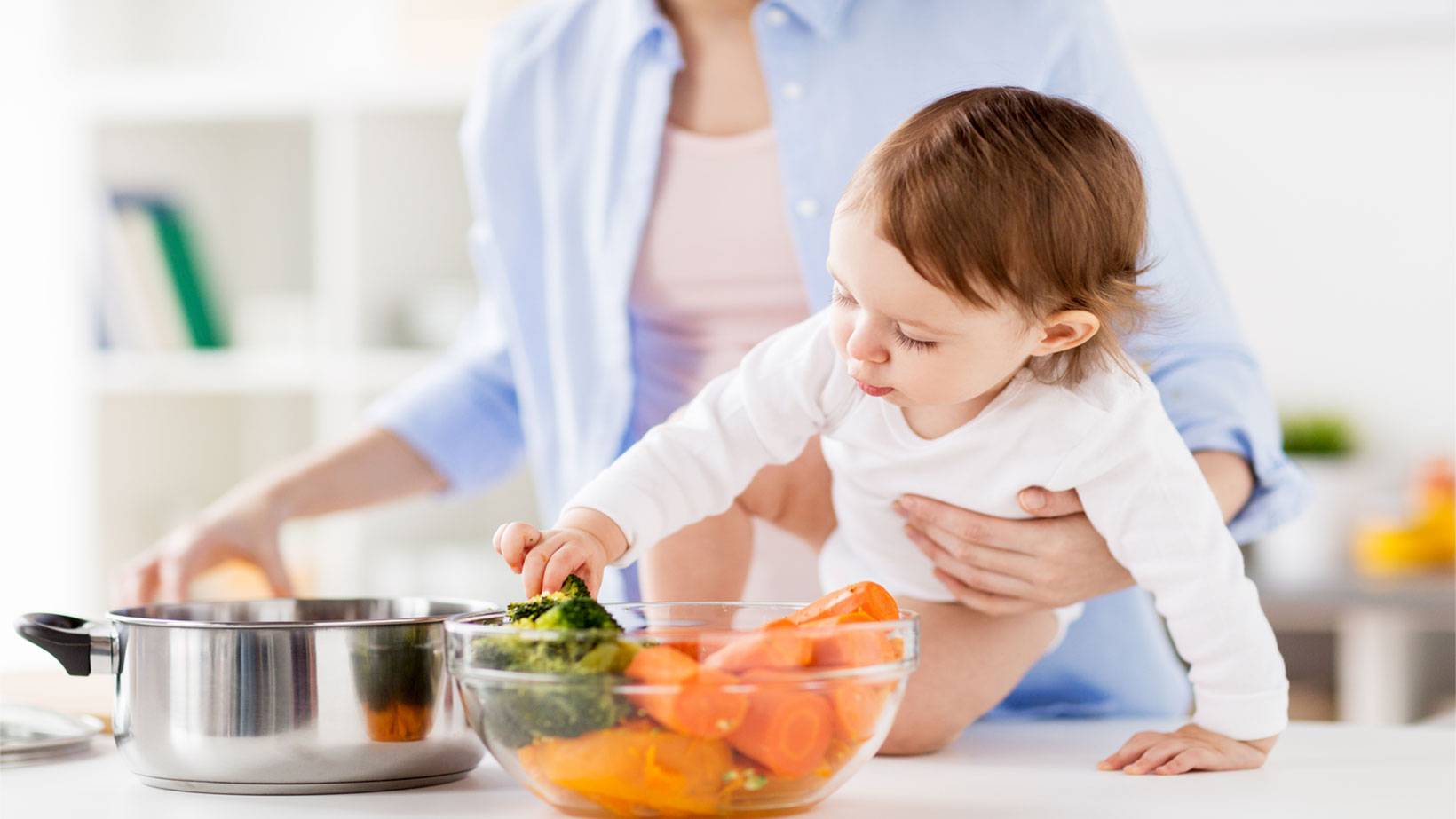
Slow cookers can be a quiet lifesaver for city parents. When you are dealing with daycare drop-offs, work, apartment living, grocery runs, laundry, commuting, and a baby learning solids, cooking from scratch every day can feel impossible. A slow cooker helps because it does the work while you handle everything else.
For baby meals, slow-cooker cooking can be especially useful. It makes foods soft, easy to mash, and simple to portion. Lentils, beans, vegetables, chicken, turkey, oats, apples, squash, and stews can all become baby-friendly with the right preparation. The key is keeping meals low in salt, free from added sugar, age-appropriate in texture, and safe for your baby’s feeding stage.
At Clean Baby Bites, we believe clean feeding should be realistic. You do not need a huge kitchen or hours of prep to offer nourishing baby meals. With a small slow cooker and a few simple ingredients, city parents can prepare clean meals that work for babies and the whole family.
Why Slow Cookers Work for Baby Meals
Slow cookers are helpful because they make foods soft without needing constant attention. This is perfect for babies who need tender textures. Vegetables become easy to mash. Lentils break down into a smooth consistency. Meats become easier to shred. Fruits soften into simple compotes.
For parents in apartments, a slow cooker can also reduce the need for multiple pots and pans. You can prepare one meal, portion out a baby-safe version, then season the adult portions separately.
This is important because babies do not need added salt, sugar, spicy sauces, or adult seasoning levels. A clean slow-cooker routine usually starts plain, then adds flavor for adults later.
Parents who are still learning texture stages can review Clean Baby Bites’ starting solids guide before serving slow-cooker meals to babies.
Slow-Cooker Safety Basics
Food safety matters, especially for babies. Always start with clean hands, clean utensils, and properly stored ingredients. Do not leave raw meat sitting out before cooking. Make sure foods cook thoroughly. After cooking, cool baby portions safely and refrigerate or freeze them quickly.
Avoid putting frozen raw meat directly into the slow cooker unless the manufacturer and food safety guidance allow it. It is usually safer to thaw meat in the refrigerator first so it cooks evenly.
Once the food is cooked, remove the baby portion before adding salt, hot spices, sauces, or strong seasonings for the rest of the family. Serve baby food in a safe texture and check the temperature before feeding.
The FDA’s guide on food safety once baby arrives reminds parents that clean utensils, safe storage, and proper handling are important when preparing baby food.
Keep Salt Out of the Baby Portion
Many slow-cooker recipes use broth, canned soups, seasoning packets, sauces, bouillon cubes, or salted spice blends. These can make adult meals tasty, but they are usually not ideal for babies.
For baby-friendly slow-cooker meals, use water, no-salt-added broth if appropriate, plain vegetables, unsalted beans, plain grains, and simple proteins. Add herbs gently if your baby has already tolerated them, but keep the baby portion mild.
After removing your baby’s portion, you can season the rest for adults. This lets the whole family benefit from the same cooking effort without giving the baby too much sodium.
Clean baby meals should help babies learn real food flavors without relying on salt.
Avoid Added Sugar
Slow-cooker breakfasts and fruit dishes often include brown sugar, maple syrup, honey, sweetened applesauce, or juice. Babies do not need these sweeteners. Fruit, oats, and vegetables already provide natural sweetness.
Honey should never be given to babies under 12 months because of the risk of infant botulism. Added sugar is also not recommended for children under 2.
If making slow-cooker oatmeal, apples, pears, or sweet potatoes, keep them plain. You can add a little cinnamon if your baby has already tolerated it and your pediatrician has no concerns. The food does not need syrup or sugar.
The American Academy of Pediatrics’ guidance on added sugar in children’s diets is a helpful reminder for parents choosing packaged or homemade baby foods.
Meal 1: Red Lentil and Carrot Mash
Red lentils are one of the easiest slow-cooker baby foods. They soften beautifully and become naturally creamy. Add rinsed red lentils, peeled chopped carrots, and water to the slow cooker. Cook until everything is very soft.
Once cooked, mash or blend the baby portion depending on your baby’s stage. For younger babies, make it smooth. For older babies, leave it thicker.
This meal provides plant-based protein, fiber, and iron-supporting nutrition. It also helps babies experience a savory flavor instead of only fruit-based meals.
For more simple baby meal ideas, visit Clean Baby Bites’ recipes and meal ideas.
Meal 2: Chicken, Sweet Potato, and Pea Mash
Chicken becomes tender in a slow cooker and can be shredded or blended into baby-safe textures. Add plain chicken, peeled sweet potato, peas, and water or no-salt-added broth. Cook until the chicken is fully done and the vegetables are soft.
Remove the baby portion before seasoning the family meal. Shred the chicken finely or blend it with the vegetables. Add liquid if needed to keep the texture moist.
Sweet potato is nutritious, but it should be rotated with other vegetables instead of served every day. Clean Baby Bites’ page on avoiding toxins explains why variety matters for reducing repeated exposure to certain contaminants.
Meal 3: Slow-Cooker Oatmeal with Apple
Slow-cooker oatmeal is useful for busy mornings. Add plain oats, chopped peeled apples, and water to the slow cooker. Cook until soft. For babies, serve plain with no added sugar.
After cooking, mash or blend the baby portion if needed. For older babies, a thicker texture may be appropriate. You can stir in plain yogurt after cooling if dairy has been introduced.
Oats are a helpful alternative to relying on rice cereal. Rice can absorb arsenic from soil and water more than many other grains, so grain variety is important. The American Academy of Pediatrics’ HealthyChildren.org guide on heavy metals in baby food recommends offering a variety of grains.
Oatmeal also freezes well in small portions for quick breakfasts.
Meal 4: Turkey, Zucchini, and Soft Pasta
Ground turkey can work well in a slow cooker when cooked thoroughly and broken into small, soft pieces. Add ground turkey, chopped zucchini, a small amount of soft pasta near the end of cooking, and water or no-salt-added broth.
For babies, remove a portion before adding adult seasoning. Mash or chop finely based on feeding stage. If the texture is dry, add cooking liquid.
This meal gives protein, vegetables, and grain in one dish. It can help older babies transition from purees to thicker meals.
Avoid adding salty tomato sauces, cheese-heavy sauces, or seasoning packets to the baby portion.
Meal 5: Butternut Squash and White Bean Stew
Butternut squash and white beans make a soft, creamy slow-cooker meal. Use peeled cubed squash, no-salt-added white beans, and water. Cook until everything is tender, then mash or blend.
This meal is mild, filling, and easy to freeze. White beans add plant-based nutrition, while squash adds texture and flavor.
For older babies, you can leave the mash thicker. For younger babies, blend smooth. If your baby is ready for more flavor, a tiny amount of mild herbs may be added, but salt is not needed.
This is a good example of a clean baby meal that uses simple pantry and freezer staples.
Meal 6: Beef, Lentil, and Vegetable Mash
For families who include beef, a slow cooker can make it tender enough for baby meals. Use lean beef, lentils, carrots, peas, or squash with water. Cook until everything is fully done and very soft.
Remove the baby portion and blend or finely shred the meat. Meat should be moist and easy to swallow. Dry chunks are not safe for babies.
Beef and lentils can support iron intake, which is important during the solids stage. The CDC’s guide on introducing solid foods explains that babies can begin solids around 6 months when ready and should be offered a variety of foods.
If serving meat, texture is especially important. Make it soft, moist, and age-appropriate.
Meal 7: Pear and Barley Breakfast
Barley is another grain option that can help reduce reliance on rice. Add barley and peeled chopped pears to the slow cooker with water. Cook until very soft.
For babies, blend or mash depending on stage. This breakfast is naturally mild and slightly sweet from the pear, with no added sugar needed.
Barley can have more texture than oats, so make sure it is cooked thoroughly. For younger babies, a smoother blend may be better.
This meal is useful for parents who want breakfast variety beyond oatmeal.
Meal 8: Vegetable Lentil Soup Base
A slow-cooker vegetable lentil soup can become multiple baby meals. Add lentils, carrots, peas, zucchini, squash, and water. Cook until soft.
Before adding salt or adult seasoning, remove baby portions. Blend into smooth puree for younger babies or mash into thicker texture for older babies. You can mix the base with oatmeal, soft pasta, avocado, or yogurt later.
This kind of base is excellent for small kitchens because one pot creates several flexible meals.
Clean Baby Bites’ clean baby foods guide can help parents choose simple ingredients for this type of meal.
Meal 9: Black Bean and Sweet Corn Mash
For older babies who have tried beans and corn safely, black bean and sweet corn mash can be a flavorful meal. Use no-salt-added black beans, a small amount of corn, and water. Cook until very soft.
Corn kernels can be difficult for younger babies, so texture matters. Blend or mash thoroughly. For older babies, make sure the final texture is safe and not full of whole kernels.
This meal can be mixed with avocado after cooking for extra creaminess. Avoid salt, spicy seasoning, or salsa in the baby portion.
Beans are useful for city parents because they are affordable, pantry-friendly, and easy to prepare in small kitchens.
Meal 10: Slow-Cooker Apples and Pears
Slow-cooked apples and pears can become a simple fruit puree or topping for oatmeal and yogurt. Add peeled chopped apples and pears with a small amount of water. Cook until soft, then mash or blend.
Do not add sugar, honey, syrup, or juice. The fruit is naturally sweet enough.
This fruit blend can be frozen in small portions and used with oatmeal, plain yogurt, or soft grains. To balance sweetness, pair fruit with savory and iron-rich foods during the week.
Fruit is useful, but clean feeding should not become fruit-only feeding.
How to Make Slow-Cooker Meals Family-Friendly
The easiest way to use a slow cooker for baby and adults is to cook the base meal plain. Once fully cooked, remove the baby portion. Then season the adult portion with salt, spices, sauces, or toppings.
For example, make plain lentils and vegetables. Remove the baby portion. Then add curry spices, salt, or chili flakes for adults. Or cook plain chicken and sweet potato. Remove the baby portion. Then season the rest for family dinner.
This method saves time and helps babies join family meals safely.
Texture Tips for Baby Portions
Slow-cooker meals are often soft, but they still need texture adjustment. For newer eaters, blend smooth. For babies with more experience, mash with a fork. For older babies, offer soft pieces that are safe in size and texture.
Avoid dry meat chunks, whole beans if your baby is not ready, large vegetable pieces, whole corn kernels, or stringy textures that are difficult to manage.
Always supervise meals. Babies should sit upright while eating.
Storage and Freezing
Slow-cooker meals are great for freezing. Portion baby food into small containers or silicone freezer trays. Label with the food name and date. Freeze flat when possible to save space.
When reheating, warm thoroughly, stir well, and test the temperature before serving. Do not refreeze food that has already been thawed and served.
For city parents with small fridges, freezing small portions can be better than storing large containers. Clean Baby Bites’ page on urban parenting and feeding offers more support for compact feeding routines.
Use the Right Gear
A small slow cooker may be better than a large one for apartment families. It takes less space and makes smaller batches. You may also want stackable containers, silicone freezer trays, a soft spoon, and a small masher or blender.
Clean Baby Bites’ feeding gear guide can help parents choose practical tools without filling the kitchen with unnecessary gadgets.
The right gear should make feeding easier, not create clutter.
Foods to Avoid in Baby Slow-Cooker Meals
Avoid added salt, honey, sugar, sweetened sauces, spicy seasonings, high-sodium broths, processed meats, and thick sticky textures. Avoid high-mercury fish and foods that are choking hazards.
Also be careful with dairy added early in long cooking, because texture can change. It is often better to stir plain yogurt or dairy into a baby portion after cooking and cooling, if dairy has already been introduced safely.
Keep baby portions simple. Adults can add stronger flavors later.
Final Thoughts
Slow cookers can make clean baby feeding easier for city parents. They create soft, mashable meals with less hands-on cooking and fewer dishes. The best slow-cooker baby meals are simple, low in salt, free from added sugar, varied, and adjusted to your baby’s feeding stage.
Good options include red lentil and carrot mash, chicken with sweet potato and peas, oatmeal with apple, turkey with zucchini and pasta, squash with white beans, beef with lentils and vegetables, pear barley breakfast, vegetable lentil soup base, black bean mash, and slow-cooked apples and pears.
The key is to cook the base plain, remove the baby portion first, then season the adult meal separately. This keeps baby food safe while still helping the whole family eat from the same pot.
For more practical baby feeding guidance, visit the Clean Baby Bites blog or explore the Clean Baby Bites FAQ for answers about clean foods, starting solids, toxins, feeding gear, and city-friendly meal routines.