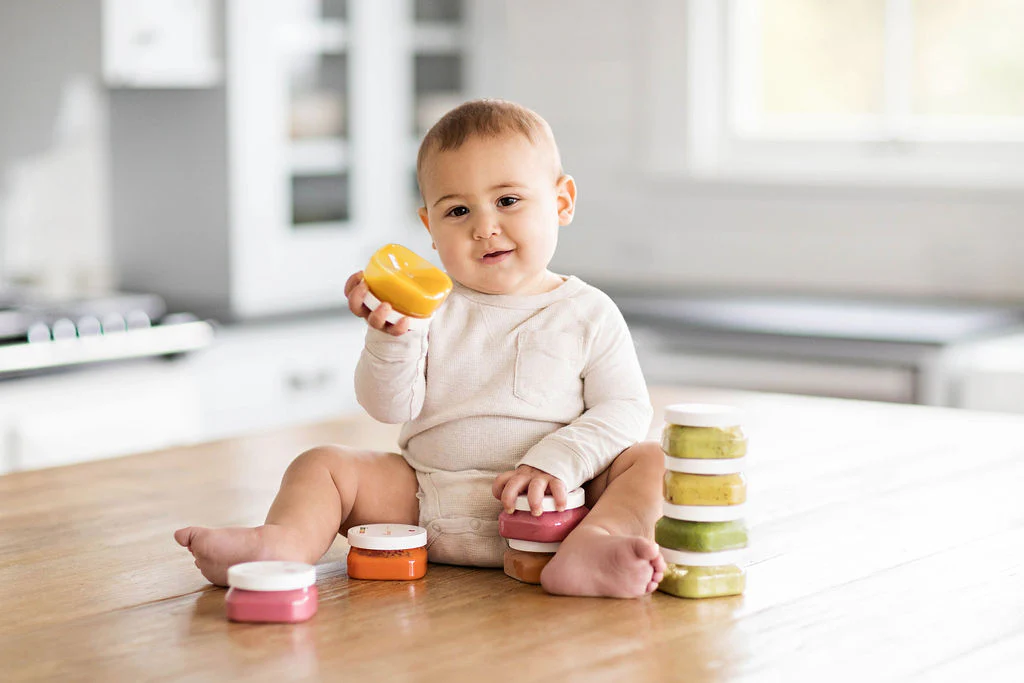
Packing daycare meals for a baby can feel like a daily puzzle, especially for city parents. You may be dealing with early drop-offs, stroller bags, subway rides, walking commutes, small apartment kitchens, daycare rules, limited fridge space, and a baby whose feeding stage changes every few weeks. On top of that, you want the food to be clean, safe, simple, and easy for caregivers to serve.
The best daycare meals are not always the most creative meals. They are the ones that travel well, store safely, match your baby’s age and feeding skills, and are clearly labeled. A daycare meal should be practical for the caregiver and nourishing for your baby.
At Clean Baby Bites, we believe clean baby feeding should work in real life. For city families, that means choosing foods that can survive a busy morning, fit into a small lunch bag, and still support safe, healthy eating.
Start with Daycare Rules First
Before packing anything, ask your daycare for their feeding rules. Every daycare may have different requirements. Some allow homemade meals. Some only allow unopened store-bought foods. Some are nut-free, egg-free, or have strict allergen policies. Some can refrigerate and warm meals, while others require foods to arrive ready to serve.
Ask about labeling, containers, heating, refrigeration, allergens, portion sizes, utensils, bibs, and what happens to leftovers. Also ask whether they support purees, baby-led weaning style foods, or both.
A meal that is healthy at home may not work if the daycare cannot store or serve it properly. Clean feeding starts with a safe system.
Parents beginning solids can review Clean Baby Bites’ starting solids guide to understand texture stages before deciding what to pack.
Pack Foods That Match Your Baby’s Stage
Daycare meals should match your baby’s current feeding ability. A baby just starting solids may need smooth purees or soft mashed foods. A baby with more experience may be ready for thicker textures. An older baby may be eating soft finger foods.
Do not pack a new texture for daycare before trying it at home. Daycare should not be the first place your baby practices a challenging food. Introduce new textures at home first, where you can watch closely and see how your baby handles them.
The CDC’s guide on when, what, and how to introduce solid foods explains that babies can begin solids around 6 months when they show readiness signs and should gradually experience a variety of foods.
Safe texture matters more than making the lunch look impressive.
Keep Daycare Meals Simple
A good daycare meal should be easy to serve. Complicated meals with many parts can be harder for caregivers to manage, especially in a busy classroom.
Simple options may include oatmeal with fruit, lentil and vegetable mash, plain yogurt with mashed banana, soft pasta with squash, beans with avocado, egg with soft vegetables, or a simple pouch paired with another food.
For younger babies, small containers of puree or mash may be easiest. For older babies, soft finger foods can be packed in small portions.
Clean Baby Bites’ recipes and meal ideas can help parents build simple combinations that do not require a lot of prep.
Use Iron-Rich Foods Often
Daycare meals are a good place to include iron-rich foods. Around the time babies begin solids, iron becomes especially important. Many baby meals are fruit-heavy, but babies also need foods that support growth and development.
Iron-rich daycare foods may include iron-fortified oatmeal cereal, lentils, beans, egg, meats, poultry, fish low in mercury, and other age-appropriate options. For plant-based iron foods, pairing with vitamin C-rich fruits or vegetables can help absorption.
A simple daycare lunch might be lentils with squash, oatmeal with mashed berries, beans with avocado, or soft chicken with peas.
For more clean food ideas, visit Clean Baby Bites’ clean baby foods page.
Choose Containers That Travel Well
City daycare meals need containers that do not leak in a stroller bag, backpack, or tote. Small airtight containers work best. Glass may be good at home, but some daycares do not allow it. Stainless steel, silicone, or BPA-free plastic may be more practical depending on daycare rules.
Use small portions so food does not spill and caregivers do not need to guess how much to serve. If your baby is eating multiple items, use divided containers only if daycare allows them and they are easy to clean.
Label every container with your baby’s name, date, food name, and any heating instructions. If a food contains a common allergen that has already been introduced, label that clearly too.
Clean Baby Bites’ feeding gear guide can help parents choose practical containers, spoons, bibs, and storage tools.
Pack an Insulated Bag
If daycare meals travel through the city, temperature control matters. An insulated lunch bag with an ice pack helps keep food cold during the commute. This is especially important for yogurt, cooked grains, meats, eggs, fish, and prepared purees.
Do not leave perishable baby food in a stroller basket, warm car, or backpack for long periods without cold support. If you have a long commute, choose foods that can stay safe until daycare refrigeration is available.
The FDA’s guide on food safety once baby arrives reminds parents that safe food handling and storage are important when feeding babies.
A clean meal can become unsafe if it is not kept at the right temperature.
Label Everything Clearly
Daycare staff may care for several babies at once. Clear labels prevent confusion and help caregivers follow your instructions.
Each container should include your baby’s name, date, food contents, and serving notes. If the food needs warming, write “warm gently” or “serve cold” depending on the item. If it should be served with a spoon, include that.
If your baby has allergies or foods that should be avoided, make sure the daycare has written instructions and emergency information.
For babies eating multiple meals at daycare, label breakfast, lunch, and snack separately. This makes the caregiver’s job easier and reduces mistakes.
Avoid New Allergens at Daycare
Common allergen foods include egg, milk, peanut, tree nuts, wheat, soy, fish, shellfish, and sesame. Many babies can be introduced to allergen foods around the time solids begin, but new allergens should usually be tried at home first.
Do not send a new allergen to daycare for the first exposure. Try it at home when you can observe your baby. Once your baby has tolerated the food and your pediatrician has no concerns, you can ask daycare whether it is allowed.
Some daycare centers are nut-free or have other allergen restrictions. Always follow their policies.
If your baby has eczema, known allergies, or a family allergy history that concerns you, speak with your pediatrician before allergen introduction.
Good Puree Options for Daycare
Purees can be convenient for daycare, especially for younger babies. Good options include oatmeal cereal with fruit, lentil puree, pea puree, squash puree, bean mash, chicken and vegetable puree, or plain yogurt with fruit if dairy has been introduced.
Choose purees with no added sugar and no added salt. If using store-bought pouches or jars, read the ingredient list. Many pouches are mostly sweet fruit even when vegetables are shown on the front.
When possible, send puree in a bowl or container instead of expecting the baby to suck directly from a pouch. Spoon feeding helps babies experience the food more fully and supports feeding development.
For safer store-bought guidance, Clean Baby Bites’ clean baby foods page can help parents compare options.
Good Soft Finger Foods for Daycare
For babies who are ready for finger foods, daycare meals can include soft, easy-to-handle foods. Good options may include soft cooked pasta, steamed vegetable pieces, ripe avocado pieces, soft fruit pieces, scrambled egg pieces, soft beans, small pieces of pancake with no added sugar, or tender shredded chicken.
All foods should be prepared in safe sizes and textures. Hard raw vegetables, whole grapes, popcorn, nuts, thick globs of nut butter, and round slippery foods are not safe for babies.
If daycare staff are not comfortable with finger foods, respect their policy and pack textures they can supervise safely. Feeding style needs to work for both baby and caregiver.
Avoid Messy or Hard-to-Serve Foods
Some foods are healthy but not practical for daycare. Very runny purees, sticky foods, crumbly foods, foods that stain heavily, or meals needing complicated assembly may be difficult for staff.
Choose foods that are easy to spoon, mash, or serve in small pieces. If a food requires special preparation, it may be better for home.
Daycare meals should be simple enough that a caregiver can serve them safely while managing the classroom routine.
Use Pouches as Backup, Not the Whole Plan
Pouches are useful for city parents. They are easy to pack, shelf-stable before opening, and helpful when mornings are rushed. But pouches should not become the entire daycare meal plan.
Many pouches are fruit-heavy and very sweet. Look for options with no added sugar, no added salt, and varied ingredients. Try to include vegetable-forward or protein-containing options sometimes.
If daycare allows, ask caregivers to squeeze the pouch into a bowl and feed with a spoon. This helps your baby practice normal eating skills.
Pouches are a convenience tool. They should support clean feeding, not replace it.
Pack Low-Sugar Snacks
If your baby needs snacks at daycare, choose low-sugar options. Avoid sweetened yogurt melts, fruit bars, juice, cookies, and snack foods with added sugar or juice concentrate.
Better options may include soft fruit, plain yogurt kept cold, soft cooked vegetables, oatmeal, avocado, beans, or carefully chosen packaged snacks with no added sugar and low sodium.
The American Academy of Pediatrics explains that children under 2 should avoid added sugars in its guidance on added sugar in children’s diets.
Snacks should help babies learn real flavors, not just sweet flavors.
Avoid Rice-Based Snacks Every Day
Rice-based snacks are common in baby lunch bags because they dissolve easily and travel well. But rice can absorb arsenic from soil and water more than many other grains, so daily reliance on rice snacks is not ideal.
The American Academy of Pediatrics’ HealthyChildren.org guide on heavy metals in baby food recommends varying grains and limiting rice-heavy patterns.
If you use rice puffs or teething wafers, rotate with oat-based snacks, soft real foods, or other non-rice options when possible.
Clean daycare packing is about patterns, not one snack.
Think About Heavy Metals and Variety
Parents may worry about heavy metals in baby food, especially packaged options. Heavy metals can come from soil, water, and environmental sources, so they can appear in homemade and store-bought foods.
The practical solution is variety. Rotate grains, fruits, vegetables, and proteins. Avoid relying too much on rice cereal, rice snacks, sweet potatoes, carrots, or the same pouch flavor daily.
Clean Baby Bites’ avoiding toxins page explains how parents can reduce exposure without panic.
Daycare meals are a good chance to build variety into the week.
Plan for Reheating
If daycare reheats meals, ask how they do it. Some use warm water, some use microwaves, and some do not heat baby food at all. Pack foods that work with their system.
If you prefer not to heat food in plastic, ask whether they can warm food in a different container or whether you can send a suitable heat-safe container. Some centers may not allow glass, so you may need a practical compromise.
Make sure food is stirred and checked for hot spots before serving. Babies can be burned by unevenly heated food.
Clear instructions help caregivers serve meals safely.
Pack Backup Foods
City mornings do not always go smoothly. A train delay, spilled container, forgotten lunch, or daycare schedule change can happen. Keeping a backup food in the daycare bag can help.
Good backup options may include a shelf-stable pouch, simple baby cereal packet, or approved packaged snack. Choose backups with no added sugar, low sodium, and simple ingredients.
If daycare allows extra shelf-stable food to be stored there, ask whether you can leave a few emergency options.
Backup foods should still fit your clean feeding standards as much as possible.
Keep the Morning Routine Simple
Packing daycare meals should not take over your morning. Prep as much as possible the night before. Portion food, label containers, add spoons or bibs, and place the lunch bag in the fridge if needed.
In the morning, add the ice pack and any last-minute items. Keep a checklist near the fridge if helpful: milk, meal, snack, spoon, bib, water cup if age-appropriate, ice pack.
For small apartments and city routines, preparation the night before can make a big difference. Clean Baby Bites’ urban parenting and feeding page offers more practical routines for busy parents.
Ask for Feedback from Caregivers
Daycare staff can tell you what your baby actually eats, refuses, struggles with, or enjoys. Ask whether the texture worked, whether the portion was too large, whether your baby seemed hungry, or whether a food was hard to serve.
This feedback helps you adjust meals. Maybe the puree was too thick. Maybe the pasta pieces were too large. Maybe your baby eats better when foods are separated. Maybe they need smaller portions.
Daycare feeding should be a partnership. The more you communicate, the better the routine becomes.
Final Thoughts
Packing daycare meals in the city is about balancing safety, nutrition, convenience, and daycare rules. The best meals are simple, clearly labeled, easy to store, and matched to your baby’s feeding stage.
Good daycare options include oatmeal, lentil mash, beans, soft vegetables, plain yogurt, avocado, eggs, soft pasta, fruit prepared safely, simple pouches, and low-sugar snacks. Use insulated bags, small containers, clear labels, and safe textures. Avoid new allergens at daycare, daily rice-based snacks, added sugar, excess sodium, and foods that are hard to serve safely.
Clean feeding does not need to be complicated. With a simple packing system, city parents can send daycare meals that are safe, practical, and nourishing.
For more baby feeding guidance, visit the Clean Baby Bites blog or explore the Clean Baby Bites FAQ for answers about starting solids, clean foods, avoiding toxins, feeding gear, and urban baby meals.