Meal-prepping for a baby sounds helpful until you open your fridge and realize there is almost no space. Between bottles, family groceries, leftovers, yogurt, produce, sauces, and everyday food, a tiny fridge can make baby meal prep feel impossible. Many parents want to prepare clean, homemade meals, but they do not have room for large containers, full trays of purees, or a week of baby food at once.
The good news is that baby meal prep does not need to be big to be useful. With a tiny fridge, the smartest approach is small-batch prep, flexible ingredients, freezer support, and simple foods that can be mixed quickly. Instead of trying to prepare every meal for the week, focus on keeping a few safe, ready-to-use components that can become different meals.
At Clean Baby Bites, we believe clean feeding should fit real homes. A small fridge does not mean you cannot feed your baby well. It simply means your system needs to be compact, realistic, and easy to repeat.
Think in Small Batches, Not Full Weeks
Many meal-prep guides show huge containers of food lined up for the entire week. That does not work for every family, especially when fridge space is limited. For baby meals, small-batch prep is often better anyway because babies eat small portions and their needs change quickly.
Instead of prepping seven days of food, prep for one or two days. Cook a small amount of oatmeal, lentils, vegetables, or fruit. Store only a few small portions in the fridge and freeze the rest if needed.
This keeps food fresher, reduces waste, and prevents the fridge from becoming crowded. It also gives your baby more variety because you are not serving the same large batch all week.
Parents starting solids can use Clean Baby Bites’ starting solids guide to understand how small portions, textures, and variety fit into early feeding.
Use “Meal Components” Instead of Full Meals
A tiny fridge works better when you store components rather than complete meals. Components are simple foods that can be mixed in different ways. For example, cooked lentils, steamed peas, plain yogurt, mashed avocado, cooked oats, soft pasta, and fruit puree can become many meals.
Cooked lentils can be served with carrots one day and squash the next. Oatmeal can be mixed with banana for breakfast or peas for a savory meal. Plain yogurt can be served with fruit, oats, or soft cooked vegetables if dairy has been introduced.
This approach gives you flexibility without needing many containers.
For more combinations, visit Clean Baby Bites’ recipes and meal ideas.
Choose Foods That Store Efficiently
Some baby foods take up a lot of space or spoil quickly. Others store well in small containers and can be used in multiple meals. With a tiny fridge, choose compact, flexible staples.
Good options include cooked lentils, cooked beans, plain yogurt, prepared oatmeal, steamed peas, cooked squash, soft pasta, mashed sweet potato, cooked apple, and small portions of cooked meat or fish.
Avoid storing too many opened jars, half-used pouches, large containers, or bulky produce items at once. Open only what you need and keep portions small.
Clean Baby Bites’ clean baby foods guide can help parents focus on simple foods that work across different meals.
Use the Freezer as Backup
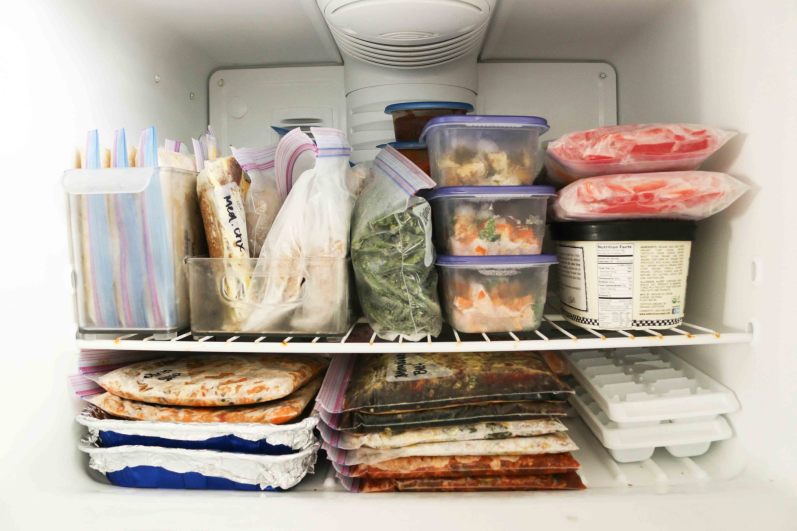
If your fridge is tiny, the freezer becomes your best friend. You do not need a huge freezer to benefit from freezing baby food. Even a small freezer can hold silicone tray cubes or small flat freezer bags.
Freeze small portions of lentil mash, vegetable puree, fruit puree, cooked grains, or protein blends. Once frozen, transfer cubes into labeled bags so they take up less space than bulky containers.
This allows you to keep only one or two days of food in the fridge while still having backup meals ready.
For baby meals, freezer portions should be small. Babies may eat only a little, and small cubes thaw faster.
Label Everything Clearly
A small fridge can become confusing quickly. Tiny containers may all look the same, especially when they hold purees or soft foods. Labeling helps prevent waste and mistakes.
Use masking tape, small labels, or erasable container labels. Write the food name and date. If the food contains a common allergen like egg, dairy, wheat, fish, peanut, or sesame, write that too.
Clear labeling is especially useful if more than one caregiver feeds the baby. A partner, grandparent, nanny, or daycare provider should know what is inside each container.
Clean meal prep is not only about ingredients. It is also about organization.
Keep a Two-Shelf System
If your fridge has limited space, create a simple two-shelf system. One small area can hold baby foods ready to serve today. Another area can hold ingredients for tomorrow.
For example, today’s area might include plain yogurt, cooked peas, and lentil mash. Tomorrow’s area might include cooked oats and thawing squash.
This prevents older food from getting pushed to the back and forgotten. It also makes feeding faster because you can see what needs to be used first.
If you cannot dedicate shelves, use a small bin or basket. A clear fridge bin can keep baby items together and reduce the time spent searching.
Use Stackable Small Containers
Large containers waste space when holding tiny baby portions. Stackable small containers are better for tiny fridges. Glass containers, small stainless containers, or food-safe silicone containers can all work if they close well and are easy to clean.
Avoid storing hot food directly in plastic. Let food cool or use glass containers. Replace scratched, cracked, stained, or warped plastic containers.
Clean Baby Bites’ feeding gear guide can help parents choose practical bowls, spoons, storage containers, and freezer trays.
The best containers are not the cutest ones. They are the ones that stack, seal, clean easily, and fit your fridge.
Prep One Grain, One Protein, One Produce
A simple formula for tiny-fridge meal prep is: one grain, one protein, and one produce item. That is enough to create several baby meals without crowding the fridge.
For example, prep oatmeal, lentils, and squash. Or barley cereal, egg, and peas. Or soft pasta, beans, and cooked apple.
From these three components, you can make different combinations. Oatmeal with squash. Lentils with squash. Oatmeal with apple. Beans with pasta. Egg with peas.
This formula keeps prep simple while still supporting variety.
Rotate Rice Alternatives
Rice cereal and rice snacks have been common baby foods for years, but rice can absorb arsenic from soil and water more than many other grains. With a small fridge, it may be tempting to rely on shelf-stable rice cereal, but variety is a better habit.
Use oatmeal, barley, quinoa, soft pasta, or multigrain baby cereal without rice when possible. These options can be stored in the pantry and prepared in small portions as needed.
The American Academy of Pediatrics’ HealthyChildren.org guide on heavy metals in baby food recommends offering a variety of grains instead of relying heavily on rice.
A tiny fridge pantry can still support clean feeding if you choose grains wisely.
Keep Frozen Produce on Hand
Frozen produce is ideal for small kitchens and tiny fridges. It stays in the freezer, reduces waste, and lets you cook only the amount needed.
Useful frozen options include peas, spinach, broccoli, cauliflower, squash, mango, blueberries, carrots, and green beans. Cook vegetables until soft, then mash or blend. Thaw or cook fruits as needed and prepare them in safe textures.
Frozen produce helps parents avoid filling the fridge with fresh produce that may spoil before use.
For urban feeding ideas, visit Clean Baby Bites’ urban parenting and feeding page.
Avoid Opening Too Many Pouches at Once
Pouches can be helpful, but opened pouches take up fridge space and may need to be used quickly. If your fridge is tiny, avoid opening multiple pouches at the same time.
Serve only what your baby needs. If saving leftovers, follow the package instructions and refrigerate immediately. If your baby sucked directly from the pouch, it is usually safer not to save the leftovers because saliva can enter the pouch.
Whenever possible, squeeze puree into a bowl first. This keeps the unused portion cleaner and helps your baby practice spoon feeding.
Choose pouches with no added sugar, no added salt, and simple ingredients.
Keep Daycare Portions Separate
If your baby goes to daycare or is cared for by someone else, prepare daycare portions separately. This saves time in the morning and prevents you from digging through the fridge.
Use small labeled containers with the baby’s name, date, food contents, and serving instructions. Keep cold foods in an insulated bag with an ice pack during travel.
Check daycare rules for allergens, storage, reheating, and homemade foods. Some centers require specific labeling or packaging.
A tiny fridge works better when daycare food is packed the night before instead of assembled during morning chaos.
Use Pantry Staples to Reduce Fridge Pressure
A tiny fridge should not hold everything. Pantry staples can reduce the need for cold storage. Useful baby-friendly pantry items may include oats, infant oatmeal cereal, lentils, no-salt-added beans, soft pasta, quinoa, unsweetened applesauce, and carefully chosen shelf-stable pouches.
Read labels carefully. Avoid added sugar, high sodium, rice-heavy snacks, and unnecessary sweeteners.
The American Academy of Pediatrics explains that children under 2 should avoid added sugars. Their guide on added sugar in children’s diets is helpful when choosing pantry snacks and pouches.
A strong pantry makes a tiny fridge much easier to manage.
Keep Food Safety Simple
Small-fridge meal prep must still follow food safety basics. Cook foods thoroughly, cool them safely, refrigerate promptly, and use clean utensils. Do not leave baby food sitting out for long periods.
The FDA’s guide on food safety once baby arrives reminds parents to use clean utensils and safe handling when preparing baby food.
A practical rule is to store small portions, use them quickly, and discard anything that smells off, looks spoiled, or has been left out too long.
Because babies are more vulnerable to foodborne illness, safe handling matters as much as clean ingredients.
Plan Around Your Real Schedule
Meal prep only works if it fits your life. If mornings are rushed, prep breakfast foods at night. If evenings are hard, keep frozen vegetable cubes and lentil cubes ready. If daycare mornings are stressful, pack the night before.
Do not copy a meal-prep routine made for someone with a large kitchen and extra fridge. Your system should match your space.
A tiny-fridge routine might look like this: cook one small batch of lentils on Sunday, freeze half, refrigerate two portions, keep oatmeal in the pantry, use frozen peas during the week, and keep one plain yogurt container in the fridge.
Simple and repeatable is better than perfect and exhausting.
Avoid Overbuying Fresh Produce
Fresh produce is great, but overbuying can crowd a tiny fridge and lead to waste. Buy smaller amounts more often, or rely on frozen produce for backup.
Choose produce that fits your plan. If you already have avocado, yogurt, and peas ready, you may not need five more fresh vegetables. If you buy berries, use them soon because they spoil quickly.
Wash produce before use, but avoid washing delicate fruits too far in advance because moisture can make them spoil faster.
A clean feeding routine should reduce waste, not create fridge stress.
Make Cleanup Part of the Routine
In small kitchens, mess builds quickly. Clean as you go when possible. Wash bowls, spoons, and storage containers soon after use so they do not take over the sink.
Keep a small drying area for baby feeding gear. If space is very limited, choose fewer items and wash them more often.
Clean Baby Bites’ feeding gear page can help parents avoid buying too many bulky tools.
Less gear often means easier cleaning and better organization.
Use a Weekly Mini-Plan
A tiny fridge benefits from a mini-plan. Before shopping, choose three or four baby foods for the next few days. For example:
Oats, lentils, peas, and banana.
Yogurt, avocado, squash, and beans.
Egg, soft pasta, broccoli, and apple.
This helps you avoid buying too much and gives your baby variety. You do not need a detailed menu. A short list is enough.
For more practical feeding structure, visit Clean Baby Bites’ blog for clean feeding topics and meal ideas.
Final Thoughts
Meal-prepping with a tiny fridge is possible when you keep the system small and flexible. Instead of prepping a full week of meals, prepare one or two days at a time. Store components instead of complete meals. Use the freezer for backup. Choose stackable containers. Rely on pantry staples and frozen produce to reduce fridge pressure.
A tiny-fridge baby meal-prep system might include one grain, one protein, and one produce item at a time. Rotate foods, label containers, keep daycare portions separate, and follow safe storage rules.
Clean baby feeding does not require a large fridge. It requires simple ingredients, safe textures, thoughtful storage, and a routine you can actually maintain.
For more practical baby feeding guidance, visit the Clean Baby Bites FAQ or explore Clean Baby Bites resources on starting solids, clean baby foods, avoiding toxins, feeding gear, and apartment-friendly meals.