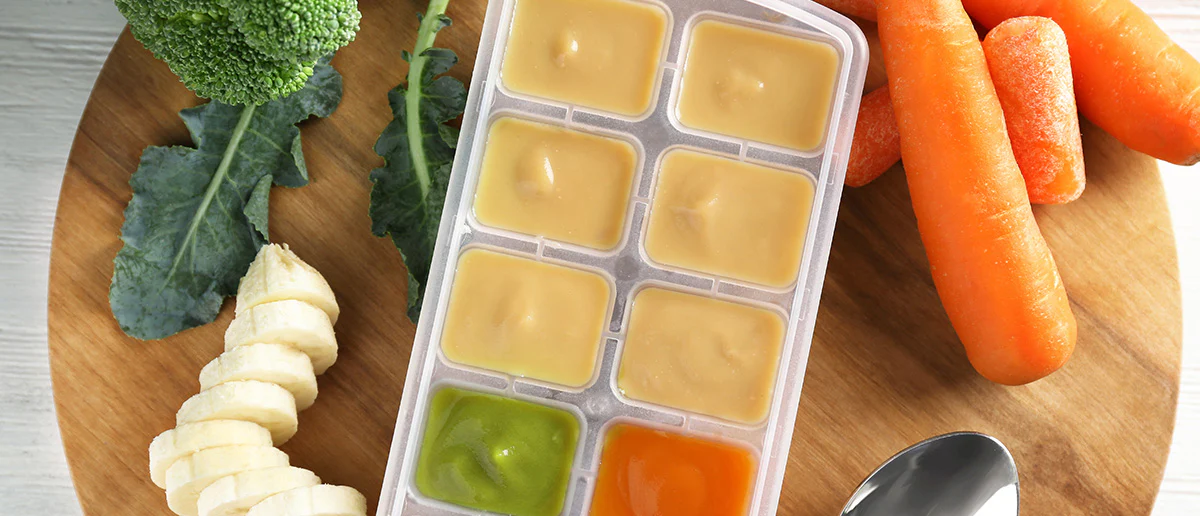
Freezer-friendly baby meals can make clean feeding much easier. When life gets busy, it helps to have safe, simple meals ready to warm and serve. Instead of preparing food from scratch every time, parents can cook small batches, freeze baby-sized portions, and use them during rushed mornings, daycare prep, tired evenings, or busy weekends.
Freezing baby food is not about making a perfect meal-prep system. It is about reducing stress while still offering your baby nourishing, age-appropriate foods. A good freezer routine can help you rotate grains, vegetables, fruits, proteins, and iron-rich foods without wasting ingredients.
At Clean Baby Bites, we believe clean feeding should be realistic. Freezer meals can be clean, simple, and safe when prepared properly. The best options are soft, easy to portion, low in added sugar and salt, and flexible enough to mix with other foods as your baby grows.
Why Freezer Meals Help Parents
Freezer-friendly meals save time and reduce decision fatigue. When your baby is hungry, you do not always have time to wash, peel, chop, cook, mash, cool, and serve food from the beginning. Frozen portions make it easier to offer variety without cooking every day.
They also reduce food waste. Babies often eat small amounts, especially in the early weeks of solids. Freezing small portions lets you prepare a little extra without throwing away leftovers.
For apartment parents or busy families, freezer meals are especially useful. You can cook once and create several baby portions without needing a large kitchen or full meal-prep day. Clean Baby Bites’ guide to urban parenting and feeding offers more practical ideas for feeding babies in busy homes.
Freezer Safety Basics
Before freezing baby food, start with safe preparation. Wash hands, clean utensils, cook foods properly, and let hot food cool before freezing. Use clean containers, silicone freezer trays, or small freezer-safe jars.
Freeze food in small portions so you only thaw what your baby needs. Once frozen, transfer cubes or portions into labeled freezer bags or containers. Write the food name and date on the package.
When reheating, warm food thoroughly and stir well to avoid hot spots. Always test the temperature before serving. Do not refreeze food that has already been thawed and served. If your baby has eaten from a bowl, do not save leftovers from that bowl because saliva can introduce bacteria.
The FDA’s guide on food safety once baby arrives is a useful reminder that clean utensils, safe storage, and careful handling matter when preparing baby food.
1. Lentil and Carrot Mash
Lentil and carrot mash is one of the best freezer-friendly baby meals because it is soft, nourishing, and easy to batch cook. Red lentils cook quickly and become naturally creamy, making them ideal for babies.
Cook red lentils with peeled chopped carrots until both are very soft. Mash or blend depending on your baby’s stage. For a smoother texture, add a little water, breast milk, formula, or unsalted cooking liquid after thawing.
Lentils provide plant-based protein, fiber, and iron. Carrots add mild sweetness and a smooth texture. This meal is a good alternative to fruit-heavy purees because it helps babies learn savory flavors.
Parents can find more simple combinations on Clean Baby Bites’ recipes and meal ideas.
2. Pea and Oat Puree
Peas freeze well and pair nicely with oats. This meal is easy to prepare and gives your baby a green vegetable flavor with a mild grain base.
Cook frozen or fresh peas until soft. Prepare plain oats or iron-fortified infant oatmeal cereal separately. Blend peas with the oats until smooth, or mash for a thicker texture if your baby is ready.
Oats are a useful grain option because they help parents avoid relying too heavily on rice cereal. Rice can absorb arsenic from soil and water more than many other grains, so grain variety matters. The American Academy of Pediatrics’ HealthyChildren.org guide on heavy metals in baby food recommends offering a variety of grains.
This meal freezes well in small cubes and can be served alone or mixed with yogurt, lentils, or avocado after thawing.
3. Sweet Potato and Bean Mash
Sweet potato and beans make a soft, filling freezer meal. Cook sweet potato until very tender, then mash it with no-salt-added beans. White beans, black beans, pinto beans, or chickpeas can work if prepared into a safe texture.
Beans add protein, fiber, and minerals. Sweet potato adds creaminess and natural sweetness. If the mash becomes thick after thawing, stir in a little warm water, breast milk, formula, or plain yogurt if dairy has been introduced.
Sweet potatoes are nutritious, but they should be part of a rotation rather than served every day. Clean Baby Bites’ page on avoiding toxins explains why rotating foods can help reduce repeated exposure to unwanted contaminants.
4. Butternut Squash and Lentils
Butternut squash freezes beautifully and has a smooth, mild flavor babies often accept. Pairing it with lentils makes the meal more balanced.
Roast or steam butternut squash until soft. Cook red lentils separately or together with the squash. Mash or blend until your baby’s preferred texture is reached.
This meal can be served as a smooth puree for newer eaters or as a thicker mash for babies ready for more texture. It also works well mixed into soft pasta later.
Do not add salt or sugar. The squash provides plenty of flavor on its own.
5. Apple and Oat Breakfast Cubes
Apple and oat cubes are useful for quick breakfasts. Cook peeled apple pieces until soft, then blend or mash with cooked oats. Add a small pinch of cinnamon only if your baby has already tolerated it and your pediatrician has no concerns.
Freeze in small portions. After thawing, warm gently and stir well. You can mix in plain yogurt after cooling or serve with another iron-rich food during the day.
Use unsweetened applesauce or fresh cooked apples. Avoid added sugar, syrup, or honey. Babies do not need sweeteners, and honey should not be given before 12 months.
For more guidance on early foods, visit Clean Baby Bites’ starting solids page.
6. Broccoli, Cauliflower, and Potato Mash
This savory freezer meal helps babies experience vegetables beyond sweet flavors. Steam broccoli, cauliflower, and potato until very soft. Mash or blend with a little cooking water to create a smooth or thick texture.
Potato helps make the texture creamy, while broccoli and cauliflower add different flavors. This meal may smell stronger than fruit purees, but that is okay. Babies need repeated exposure to savory and slightly bitter flavors.
If your baby rejects it the first time, try again another day. New foods often take repeated exposure.
This mash can also be mixed with lentils, egg, or soft pasta as your baby grows.
7. Chicken and Vegetable Puree
Chicken and vegetable puree is a useful freezer meal for families who include meat. Chicken provides protein and iron-supporting nutrition, while vegetables add flavor and texture.
Cook chicken thoroughly with vegetables such as carrots, peas, squash, or zucchini. Blend with enough cooking liquid to make a soft texture. Avoid salty broth, seasonings with sodium, or adult sauces.
Meat purees can become thick after freezing, so add liquid when reheating if needed. Make sure the final texture is moist and easy for your baby to manage.
The CDC’s guide on introducing solid foods notes that babies can begin solids around 6 months when ready and should be introduced to a variety of foods as they grow.
8. Turkey, Pea, and Pasta Mash
For babies ready for thicker textures, turkey, peas, and soft pasta can become a freezer-friendly meal. Cook ground turkey fully, boil small pasta until very soft, and cook peas until tender. Mash or finely chop everything together.
For younger babies, blend into a smoother puree. For older babies, leave it thicker but still soft and safe. Add water or unsalted cooking liquid when reheating if it becomes dry.
This meal is useful because it includes protein, vegetable, and grain in one portion. It can also help babies transition from purees toward more family-style meals.
Avoid added salt and adult sauces.
9. Salmon and Sweet Pea Mash
Salmon can be a nutritious baby food when chosen carefully, cooked fully, and checked thoroughly for bones. Pairing it with peas creates a soft, flavorful freezer meal.
Use lower-mercury fish options. The FDA and EPA provide advice on eating fish, including lower-mercury choices for children and pregnant people. Salmon is generally considered one of the better choices.
Cook salmon plain, remove skin if needed, check carefully for bones, and mash with cooked peas. Add a little water, breast milk, formula, or plain yogurt after thawing to soften the texture.
If your family has allergy concerns, ask your pediatrician before introducing fish.
10. Mixed Berry and Yogurt Add-In
Plain yogurt itself does not always freeze perfectly because it can separate when thawed. But cooked berry puree can be frozen and later stirred into plain yogurt.
Cook berries until soft, then mash or blend. For younger babies, strain seeds if needed depending on texture tolerance. Freeze in small cubes. When ready to serve, thaw a cube and mix it into plain full-fat yogurt.
This gives flavor without using sweetened yogurt. Many flavored yogurts contain added sugar, which babies do not need. The American Academy of Pediatrics explains that children under 2 should avoid added sugars in its guidance on added sugar in children’s diets.
This is a good snack or breakfast option once dairy has been introduced safely.
11. Zucchini, Quinoa, and White Bean Mash
Zucchini cooks quickly and blends well with quinoa and white beans. This meal is mild, soft, and freezer-friendly.
Cook quinoa until very soft. Steam or sauté zucchini without salt until tender. Mash with rinsed no-salt-added white beans. Blend if your baby needs a smoother texture.
Quinoa adds grain variety, beans add plant-based nutrition, and zucchini adds moisture. After thawing, stir well and adjust the texture with warm water or milk your baby already uses.
This meal is useful for parents trying to move beyond sweet purees and rice-based foods.
12. Carrot, Ginger, and Lentil Mash
For older babies who have already tried basic foods, a very small amount of mild spice can introduce new flavors. Cook carrots and red lentils until soft, then add a tiny amount of fresh ginger or powdered ginger if appropriate for your baby.
Do not make it spicy. The goal is gentle flavor exposure, not strong seasoning. Skip ginger if your baby is new to solids or if you prefer to keep early foods very simple.
This mash freezes well and can be served with oatmeal, yogurt, or soft grains.
Flavor variety helps babies learn that food can be savory, mild, earthy, and gently aromatic.
Foods That Do Not Freeze Well
Not every baby food freezes well. Some foods change texture after freezing. Plain yogurt may separate. Avocado can brown and become watery. Banana can darken and change texture. Some soft pasta may become mushy.
This does not mean these foods cannot be used at all. It often works better to freeze the cooked base and add fresh ingredients after thawing. For example, freeze lentils and mix in fresh avocado later. Freeze berry puree and stir into fresh yogurt. Freeze vegetable mash and add fresh banana only when serving.
A flexible freezer system works better than trying to freeze everything.
How to Thaw Baby Food Safely
Thaw frozen baby food in the refrigerator, in a sealed container under cold water, or by heating directly from frozen. Avoid leaving baby food on the counter for long periods.
When reheating, stir well and check temperature carefully. Baby food can heat unevenly, especially in microwaves. Let it cool before serving.
Serve a small portion first. If your baby wants more, you can offer more from a separate clean container. This helps prevent wasting food and keeps stored portions safer.
Safe thawing matters as much as safe cooking.
Best Containers for Freezer Baby Meals
Silicone freezer trays are useful because they create small portions. Once frozen, cubes can be moved into labeled freezer bags or containers. Small glass containers can also work if they are freezer-safe and not overfilled.
Avoid freezing in damaged plastic or containers not designed for freezing. Do not heat baby food in plastic when possible. Transfer food to a heat-safe dish before warming.
Clean Baby Bites’ feeding gear guide can help parents choose practical storage tools for baby meals.
The best freezer gear is easy to clean, easy to label, and easy to portion.
Build Mix-and-Match Freezer Meals
Instead of freezing complete meals every time, you can freeze components. Freeze lentil cubes, vegetable cubes, fruit cubes, and grain portions separately. Then mix them when serving.
For example, combine pea cube with oatmeal. Mix lentil cube with squash. Stir apple cube into oats. Add chicken cube to vegetables. This keeps meals varied and prevents your baby from eating the same blend repeatedly.
Mix-and-match freezing is especially helpful for small freezers because you can store a few flexible staples instead of many full meals.
For more clean meal planning support, visit Clean Baby Bites’ clean baby foods page.
Keep Texture Progression in Mind
Freezer meals are convenient, but babies should not stay on smooth purees forever unless there is a medical reason. As your baby grows, adjust textures. Make purees thicker, mash instead of blending, add soft lumps, and introduce safe finger foods when ready.
Texture progression supports feeding development. If all freezer meals are smooth cubes for too long, your baby may miss practice with chewing and moving food in the mouth.
Follow your baby’s readiness and pediatric guidance. Clean feeding includes developmentally appropriate textures, not just clean ingredients.
Final Thoughts
Freezer-friendly baby meals can make clean feeding easier, especially for busy parents. The best options are simple, soft, low in added sugar and salt, easy to portion, and flexible enough to mix with other foods.
Good freezer meals include lentil and carrot mash, pea and oat puree, sweet potato and bean mash, butternut squash with lentils, apple oat cubes, broccoli cauliflower potato mash, chicken vegetable puree, turkey pea pasta mash, salmon pea mash, berry puree for yogurt, zucchini quinoa beans, and carrot lentil mash.
Freezing baby food is not about perfection. It is about having safe, nourishing options ready when life gets busy. With good storage habits, careful thawing, and a variety of ingredients, freezer meals can support a clean and realistic feeding routine.
For more practical baby feeding guidance, visit the Clean Baby Bites blog or explore the Clean Baby Bites FAQ for answers about starting solids, clean baby foods, avoiding toxins, feeding gear, and baby meal ideas.