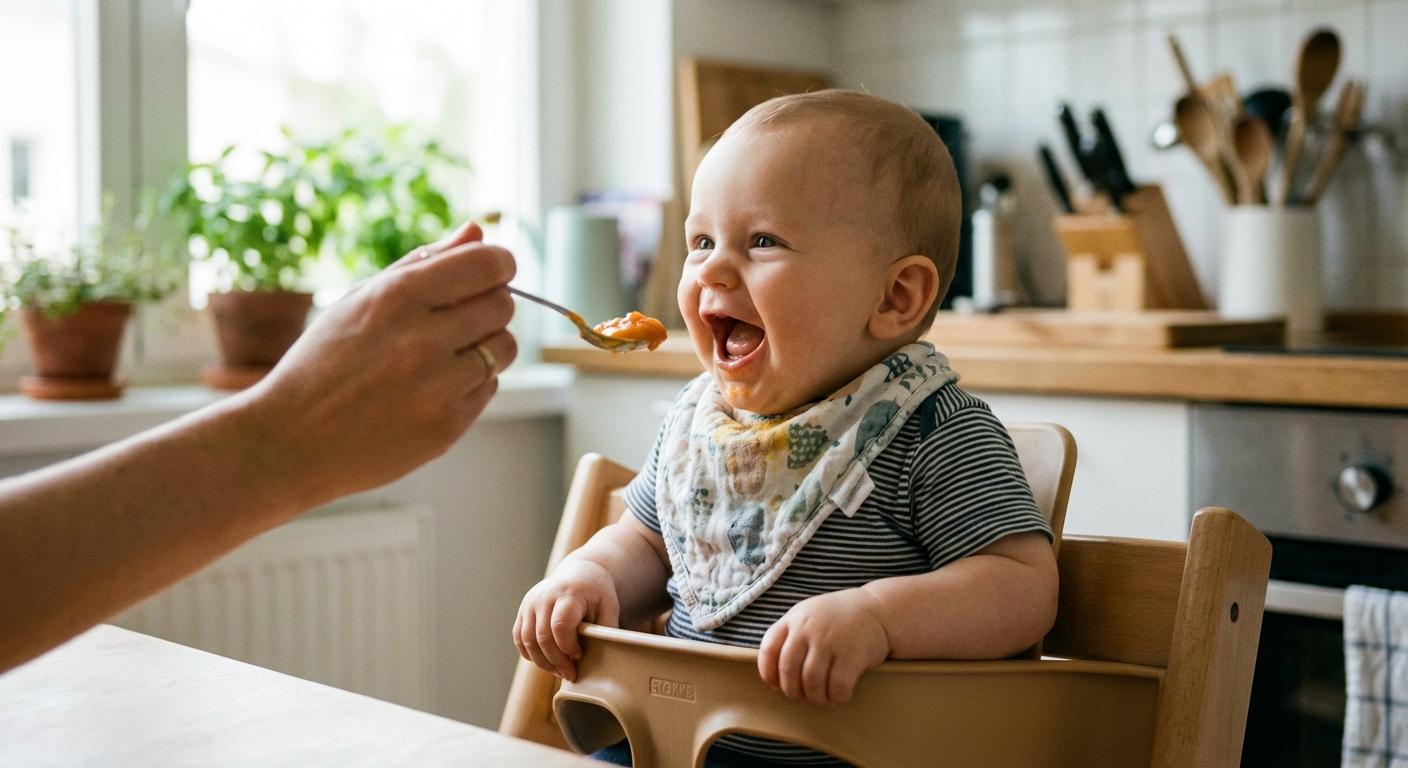
Feeding a baby in a Brooklyn brownstone can feel charming and chaotic at the same time. Brownstone living often means beautiful old spaces, narrow kitchens, shared family areas, walk-up stairs, limited storage, compact freezers, and busy city routines. Parents may be juggling daycare, work, stroller walks, subway trips, small grocery runs, and mealtime cleanup in a kitchen that was not designed for modern baby feeding gear.
The good news is that clean baby feeding does not need a huge kitchen or a perfect routine. It needs a rhythm that works for your home. A Brooklyn brownstone feeding routine should be simple, flexible, low-mess, and built around foods your baby can safely eat without requiring hours of prep.
At Clean Baby Bites, we believe clean feeding should support real families, not create impossible standards. Whether you make baby food at home, use store-bought options, or combine both, the best routine is the one you can repeat calmly.
Start with a Small-Space Feeding Zone
In many brownstone kitchens, counter space is limited. Instead of spreading baby feeding items everywhere, create one small feeding zone. This might be one shelf, one drawer, one basket, or one corner of the counter.
Keep the essentials there: baby spoons, bibs, small bowls, wipes, a few storage containers, and a small mat if needed. If everything has a place, feeding feels less stressful.
You do not need every baby feeding product. A few useful tools are better than a cabinet full of gadgets. Clean Baby Bites’ feeding gear guide can help parents choose practical items that are easy to clean and store.
For brownstone families, the best gear is compact, washable, and used often.
Build a Two-Day Meal Rhythm
Large meal prep can be hard in a small kitchen. Instead of trying to cook and freeze a month of baby food, prepare two days at a time. This keeps food fresh and reduces the pressure to store too much.
A simple two-day rhythm might include one soft grain, one protein, one vegetable, and one fruit. For example, prepare oatmeal, lentils, peas, and pear. The next round might be barley cereal, egg, squash, and banana.
This gives your baby variety without turning your kitchen into a meal-prep station. It also helps reduce repeated exposure to the same foods.
Parents can explore Clean Baby Bites’ recipes and meal ideas for simple combinations that work well in small kitchens.
Use Oatmeal as a Flexible Base
Oatmeal is one of the easiest foods for brownstone feeding routines because it stores well, cooks quickly, and works with many flavors. Iron-fortified infant oatmeal cereal can be useful for younger babies, while plain oats may work as babies grow and textures progress.
Oatmeal can be mixed with mashed banana, cooked apple, plain yogurt, avocado, peas, squash, or lentil puree. It can be served smooth, thick, or textured depending on your baby’s stage.
Oatmeal also helps parents reduce reliance on rice cereal. Rice can absorb arsenic from soil and water more easily than many other grains, so variety is important. The American Academy of Pediatrics’ HealthyChildren.org guide on heavy metals in baby food recommends offering a variety of grains instead of relying mainly on rice.
For many families, oatmeal becomes the practical clean-feeding base.
Keep Frozen Produce Ready
Frozen fruits and vegetables are very helpful for brownstone parents. They reduce waste, save fridge space, and make variety easier. Frozen peas, spinach, squash, mango, blueberries, cauliflower, broccoli, and carrots can all support quick baby meals.
You can cook a small amount, mash or blend it, and serve it with oatmeal, lentils, yogurt, pasta, or egg. Frozen produce also helps when grocery trips are short or weather makes errands harder.
For babies, frozen vegetables should be cooked until soft and served in a safe texture. Frozen fruit should be thawed, cooked when needed, mashed, or cut safely based on your baby’s readiness.
Clean Baby Bites’ urban parenting and feeding page is especially useful for families feeding babies in compact city homes.
Make One-Pot Baby Meals
One-pot meals are perfect for older city kitchens because they reduce dishes. You can cook a soft grain, vegetable, and protein together, then mash or blend the baby portion before seasoning the adult portion.
For example, cook red lentils with carrots and oats. Simmer quinoa with peas and squash. Cook soft pasta with zucchini and a small amount of mashed beans. Keep the baby portion unsalted.
This makes baby feeding feel connected to family meals without requiring separate cooking every time.
The CDC’s guide on when, what, and how to introduce solid foods explains that babies can begin solids around 6 months when they show readiness signs and should be introduced to a variety of foods as they grow.
One-pot meals make that variety easier.
Use Pouches Strategically
Brooklyn parents are often on the move. Pouches can help during stroller walks, daycare drop-off, subway delays, park outings, and errands. They are not automatically bad, but they should be used thoughtfully.
Choose pouches with no added sugar, no added salt, and simple ingredient lists. Watch for fruit-heavy blends. A pouch may show vegetables on the front but still be mostly apple, pear, or banana.
When possible, squeeze the pouch into a bowl and offer it with a spoon. This helps your baby see and interact with the food rather than only sucking it down.
Pouches are best as a convenience tool, not the entire feeding routine. For more balanced food ideas, visit Clean Baby Bites’ clean baby foods page.
Create a Daycare Packing System
Many Brooklyn families rely on daycare, nannies, grandparents, or shared caregivers. A feeding routine works better when packed meals are simple and clearly labeled.
Use small containers for baby portions. Label them with the baby’s name, date, food contents, and serving instructions if needed. Keep cold foods cold with an insulated lunch bag and ice pack.
Good daycare-friendly foods may include oatmeal, lentil mash, soft vegetables, plain yogurt, pouches, soft pasta, beans, fruit puree, or safe finger foods based on your baby’s stage and daycare rules.
Always follow the caregiver’s policies around allergens, storage, reheating, and choking safety. A clean meal is only useful if it can be served safely.
Keep Snacks Low-Sugar and Low-Mess
On-the-go snacks are useful, but baby snacks can hide added sugar and rice-based fillers. Look for simple snacks with no added sugar, low sodium, and minimal rice-based ingredients.
The American Academy of Pediatrics explains that children under 2 should avoid added sugars. Their guidance on added sugar in children’s diets is helpful for parents choosing packaged snacks.
Better snack options may include soft fruit, avocado, plain yogurt kept cold, oatmeal, soft cooked vegetables, scrambled egg pieces, or carefully chosen store-bought snacks used occasionally.
For brownstone parents, low-mess snacks matter too. Choose foods that fit your baby’s stage and can be supervised safely.
Use the High Chair as a Routine Anchor
In a small home, routines help. Try to make the high chair or feeding seat the main eating place whenever possible. This helps your baby learn that meals happen while seated and supervised.
Avoid letting babies snack while crawling, walking, lying down, or riding unattended in a stroller. Eating should be supervised because choking can happen quickly.
A compact high chair, foldable booster, or easy-clean chair can work well in brownstone dining areas. The best option is one that is stable, safe, easy to clean, and realistic for your space.
Feeding routines become easier when the baby knows what to expect.
Wash and Prep Produce Efficiently
Brownstone sinks and counters are often small, so produce prep should be efficient. Wash produce under running water before cutting, even if you plan to peel it. For firm produce, rub the surface while rinsing. For leafy greens, separate leaves and rinse carefully.
The CDC’s guidance on fruit and vegetable safety recommends washing produce under running water and cutting away damaged or bruised areas.
To save space, wash only what you need soon, especially berries and delicate produce that can spoil faster after washing. Use frozen produce when fresh prep feels like too much.
Simple prep habits can keep clean feeding manageable.
Avoid Overcrowding the Pantry
Small kitchens can quickly become cluttered with baby cereals, snacks, jars, pouches, bottles, bowls, and storage containers. Too many products can make feeding harder, not easier.
Keep a focused baby pantry. Useful staples may include infant oatmeal cereal, oats, lentils, no-salt-added beans, soft pasta, quinoa, unsweetened applesauce, a few simple pouches, and low-sugar snacks. Rotate what you buy instead of stocking everything at once.
This helps reduce expired foods, duplicate snacks, and clutter.
A clean pantry should be easy to use. If you cannot find what you need, the system is too complicated.
Choose Safer Storage Habits
Storage matters in older homes and small kitchens. Use clean containers, refrigerate opened foods quickly, and avoid leaving baby food out too long. If your baby eats directly from a jar or bowl, do not save leftovers that have been mixed with saliva.
Glass containers, stainless steel containers, and food-grade silicone trays can be useful for baby food storage. If using plastic, avoid heating food in plastic and replace containers that are scratched, warped, or damaged.
The FDA’s guide on food safety once baby arrives gives practical safety reminders for baby food handling.
Clean feeding includes storage and cleanup, not just ingredients.
Make Breakfast Predictable
For busy Brooklyn mornings, breakfast should be simple. A predictable breakfast routine reduces stress and makes it easier to get out the door.
Good options include oatmeal with fruit, plain yogurt with banana, avocado mash, scrambled egg, or a pouch paired with another food when time is limited. Keep breakfast low in added sugar and easy to clean.
If mornings are rushed, prep part of breakfast the night before. Cook oats, portion yogurt, thaw frozen fruit, or set out clean bowls and spoons.
A calm breakfast rhythm can make the whole day feel easier.
Make Dinner Flexible
Dinner is often when parents are tired. A flexible dinner plan helps. Instead of cooking a separate baby meal, pull from simple components: a soft grain, a protein, and a vegetable.
For example, serve lentils with peas, pasta with squash, egg with avocado, beans with sweet potato, or salmon with mashed vegetables. Keep the baby portion unsalted and safe in texture.
As your baby grows, they can gradually eat modified versions of family meals. This saves time and helps babies learn family flavors.
Plan for Stairs and Strollers
Brownstone living often includes stairs, narrow hallways, and stroller logistics. Feeding routines should account for that. Keep a small on-the-go snack kit near the door if space allows.
A snack kit might include a bib, wipes, spoon, small bowl, pouch, low-sugar snack, and water for cleanup. This prevents last-minute scrambling before leaving.
For perishable foods, use an insulated bag and cold pack. Do not leave yogurt, prepared meals, or opened foods unrefrigerated for long periods.
City feeding works best when the exit routine is easy.
Do Not Chase Perfect Clean Feeding
Parents in Brooklyn are surrounded by health trends, boutique baby products, organic markets, and social media advice. It can feel like clean feeding must be perfect. It does not.
A realistic routine may include homemade oatmeal in the morning, a daycare pouch during the day, frozen vegetables at dinner, and store-bought snacks during errands. That can still be thoughtful and clean if the overall pattern is balanced.
Clean Baby Bites’ page on avoiding toxins can help parents focus on practical exposure reduction instead of fear.
The goal is a baby who is safely fed, not a parent who is exhausted by impossible rules.
Final Thoughts
Brooklyn brownstone feeding routines work best when they are simple, compact, and repeatable. Small kitchens need small systems: a focused feeding zone, a two-day meal rhythm, frozen produce, one-pot meals, simple pantry staples, and practical storage.
Good baby meals do not need much space. Oatmeal, lentils, beans, yogurt, avocado, egg, soft pasta, frozen vegetables, fruit, and carefully chosen pouches can all support clean feeding in a city home.
The best routine is not the most impressive one. It is the one your family can actually maintain while keeping your baby safe, nourished, and exposed to a variety of flavors and textures.
For more practical baby feeding guidance, visit the Clean Baby Bites blog or explore the Clean Baby Bites FAQ for answers about starting solids, clean baby foods, toxins, feeding gear, and urban feeding routines.