Small kitchens can make baby feeding feel harder than it needs to be. When you have limited counter space, a small sink, a compact fridge, or shared apartment storage, even simple meal prep can feel like a project. Add bottles, bibs, bowls, spoons, wipes, groceries, and a high chair, and suddenly there is no room left to chop, steam, blend, or organize anything.
The good news is that babies do not need complicated meals. Clean baby feeding can be simple, small, and practical. Many nourishing baby meals can be made with one bowl, one fork, one small pot, or no cooking at all. You do not need a large kitchen island, a full meal-prep station, or expensive equipment to feed your baby well.
At Clean Baby Bites, we believe baby meals should fit real family life. These 10 meal ideas are designed for busy parents who want clean, age-appropriate food without needing much counter space.
Before You Start: Keep Safety First
Before preparing any baby meal, make sure your baby is developmentally ready for solids and that the texture matches their stage. Most babies begin solids around 6 months when they show readiness signs, but every baby is different. The CDC’s guide on when, what, and how to introduce solid foods explains readiness signs and feeding basics.
For small-space cooking, safety also means keeping tools simple and clean. Wash hands, use clean bowls and spoons, cook foods until soft when needed, and avoid choking hazards. Whole grapes, hard raw vegetables, popcorn, nuts, thick globs of nut butter, and large firm chunks are not safe for babies.
Parents can also review Clean Baby Bites’ starting solids guide for practical support on textures and first foods.
1. Mashed Avocado with Oatmeal
This is one of the easiest baby meals because it uses almost no space. You only need a small bowl, a fork, and prepared oatmeal or iron-fortified infant oatmeal cereal.
Mash a small amount of ripe avocado until smooth. Mix it with plain oatmeal or infant oatmeal cereal prepared with breast milk, formula, or water. The result is soft, creamy, and easy to adjust. For newer eaters, make it smoother. For older babies, leave it thicker.
Avocado adds healthy fats, while oatmeal can provide texture and, if fortified, iron. This is a good meal for mornings when you do not want to cook much or wash many dishes.
Avoid adding sugar, honey, syrup, or salt. Babies do not need sweeteners, and honey should not be given before 12 months.
2. Banana Yogurt Bowl
A banana yogurt bowl takes less than two minutes and needs almost no prep space. Add plain full-fat yogurt to a small bowl and mash in ripe banana with a fork.
Choose plain, unsweetened yogurt instead of flavored yogurt. Many flavored yogurts contain added sugar, which babies do not need. The American Academy of Pediatrics explains that children under 2 should avoid added sugars in its guidance on added sugar in children’s diets.
This meal is soft, simple, and easy to serve. It also introduces a tangy flavor from yogurt instead of relying only on sweet purees.
If your baby has dairy allergy concerns, eczema, or a medical history that makes you unsure, ask your pediatrician before offering dairy.
3. Lentil and Carrot Mash
Lentils are perfect for small kitchens because they cook in one small pot and do not require chopping if you keep the recipe simple. Red lentils cook quickly and become soft enough to mash.
Add rinsed red lentils and small pieces of carrot to a pot with water. Cook until everything is very soft. Mash with a fork or blend if your baby needs a smoother texture. You can make just enough for one or two meals, which is helpful if fridge space is limited.
Lentils provide plant-based protein, fiber, and iron. Carrots add mild sweetness and softness. This meal is more savory than fruit-based purees, helping babies learn a wider range of flavors.
For more simple combinations, visit Clean Baby Bites’ recipes and meal ideas.
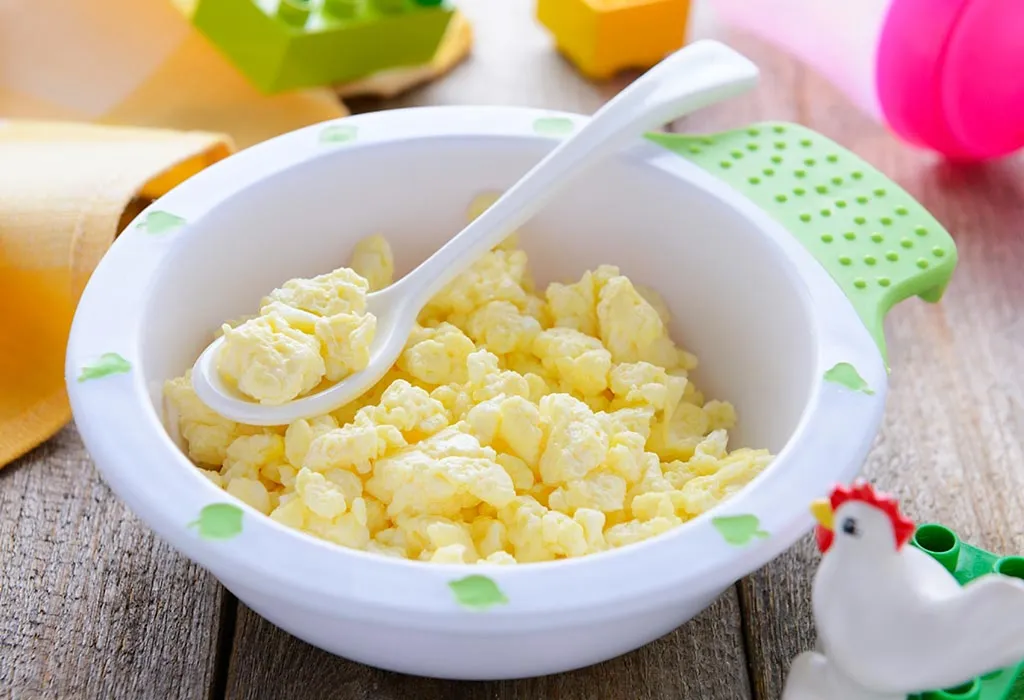
4. Soft Scrambled Egg with Avocado
This meal uses one pan and one small bowl. Cook an egg fully until soft and tender, then mash or chop it into an age-appropriate texture. Add mashed avocado to make it easier to manage.
Eggs provide protein, fat, and nutrients such as choline. Avocado adds creaminess and healthy fats. Together, they make a quick meal that does not require much counter space.
Do not add salt. If your baby is just starting solids, make sure the texture is soft enough and not dry. For older babies ready for finger foods, soft scrambled egg pieces may be offered with supervision.
Common allergen foods like egg can be introduced around the time solids begin for many babies, but families with allergy concerns should speak with a pediatrician. HealthyChildren.org has helpful guidance on starting solid foods.
5. Pea and Oat Puree
Frozen peas are a small-space parent’s friend. They are easy to store, quick to cook, and do not require washing or chopping. Cook a small amount of frozen peas until soft, then mash or blend them with prepared oatmeal.
This meal gives your baby a savory green vegetable flavor with the mild texture of oats. It is also a good way to move beyond fruit-heavy meals.
If you do not have a blender, mash the peas well with a fork and mix with soft oatmeal. For newer eaters, you may need a smoother texture, so use a small blender if available.
Frozen produce can help busy parents keep variety available without wasting fresh food. For more clean food ideas, visit Clean Baby Bites’ clean baby foods page.
6. Sweet Potato and Bean Mash
This meal works well with leftover cooked sweet potato or a small microwaved sweet potato. Mash a small portion with rinsed no-salt-added canned beans. Add a little water, breast milk, formula, or plain yogurt to soften the texture if needed.
Beans add protein, fiber, and minerals. Sweet potato adds softness and flavor. This meal is filling, simple, and made with pantry-friendly ingredients.
Because sweet potatoes are root vegetables, it is smart to rotate them with other foods rather than serving them every day. The American Academy of Pediatrics’ HealthyChildren.org guide on heavy metals in baby food recommends variety to help reduce repeated exposure to contaminants.
Clean feeding is not about avoiding sweet potatoes. It is about rotating foods thoughtfully.
7. Plain Pasta with Squash
Soft pasta is easy to make in one small pot. Choose a small pasta shape or cut cooked pasta into safe pieces based on your baby’s stage. Cook it until very soft.
Mix the pasta with mashed cooked squash. You can use frozen squash, leftover roasted squash, or a simple store-bought puree with no added sugar or salt. The squash helps coat the pasta and makes it easier for babies to handle.
This meal is especially useful for babies moving toward thicker textures and soft finger foods. It also helps parents avoid relying only on purees.
Avoid salty sauces, cheese-heavy sauces, or adult pasta sauces with added sodium. Babies do not need salty foods.
8. Apple Cinnamon Oats
This is a warm, simple meal that can be made in a small pot or microwave-safe bowl. Cook oats with water, then stir in unsweetened applesauce or finely mashed cooked apple. Add a tiny pinch of cinnamon if your baby has already tolerated it and your pediatrician has no concerns.
Use unsweetened applesauce. Many fruit products contain added sugar, so check labels carefully. This meal is naturally sweet from apple and does not need syrup, honey, or sugar.
Apple cinnamon oats are useful for breakfast or a quick evening meal. To increase nutrition, you can mix in plain yogurt after cooling or pair it with another iron-rich food during the day.
For more advice on reducing added sugar in baby foods, Clean Baby Bites’ blog includes practical clean-feeding topics.
9. Salmon and Avocado Mash
For families who eat fish, salmon can be a nutritious baby food when fully cooked, carefully checked for bones, and served in a soft texture. Mash a small amount of cooked salmon with ripe avocado.
This meal provides protein and healthy fats. It also introduces a savory flavor that is very different from common fruit purees.
Parents should choose lower-mercury fish for babies. The FDA and EPA provide advice on eating fish, including lower-mercury options for children and pregnant people. Salmon is generally listed among better choices.
Make sure the fish is fully cooked, unsalted, and served in a texture your baby can manage. If your family has allergy concerns, ask your pediatrician before introducing fish.
10. No-Cook Bean and Avocado Bowl
This is a true almost-no-counter-space meal. Rinse no-salt-added canned beans, mash a small portion well, and mix with ripe avocado. Add a little water, breast milk, formula, or plain yogurt if the texture needs softening.
This meal uses only a bowl, fork, and spoon. It is helpful when you cannot cook, when the kitchen is messy, or when you need something quick.
Beans offer fiber and plant-based nutrition. Avocado adds healthy fat and creaminess. The flavor is mild but savory, which helps babies learn that meals do not always need to be sweet.
For older babies, this can become a thicker mash. For younger babies, make it smoother.
Small-Space Feeding Tips
When counter space is limited, preparation style matters. Use one cutting board, one small pot, one bowl, and one spoon when possible. Keep a small set of baby feeding tools instead of buying too many gadgets.
A compact setup might include a small steamer basket, fork, masher, soft baby spoon, suction bowl, silicone freezer tray, and a few glass storage containers. Clean Baby Bites’ feeding gear guide can help parents choose tools that actually fit small homes.
Also consider small-batch prep. Instead of making huge freezer batches, prepare two or three portions at a time. This reduces clutter and keeps food fresh.
Keep Frozen Staples Ready
Frozen vegetables and fruits make apartment feeding much easier. Keep a few small bags of frozen peas, squash, mango, spinach, cauliflower, or blueberries. Use only what you need and return the rest to the freezer.
Frozen foods can help parents offer variety without constant grocery shopping. They are especially useful for city families or anyone with limited fridge space.
Clean Baby Bites’ page on urban parenting and feeding shares more ideas for making baby feeding work in compact, busy homes.
Store Leftovers Safely
Even small baby meals can create leftovers. Store food in clean containers and refrigerate promptly. Avoid saving food from a bowl your baby has eaten from if saliva has mixed into the food. Instead, serve a small portion first and store the rest separately.
The FDA’s guide on food safety once baby arrives reminds parents to use clean utensils and safe food handling when preparing baby food.
Food safety is part of clean feeding. A simple meal still needs safe storage.
Avoid Overcomplicating Baby Meals
Parents often feel pressure to make beautiful baby meals with many ingredients. But babies do not need complicated recipes. They need safe textures, repeated exposure to different flavors, iron-rich foods, healthy fats, and calm mealtime practice.
A meal can be clean and nourishing with only two ingredients. Oats and peas. Lentils and carrots. Avocado and egg. Yogurt and banana. Pasta and squash. These are simple, realistic meals that work in small kitchens.
The goal is not to impress anyone. The goal is to feed your baby safely and consistently.
Final Thoughts
You can make clean baby meals with almost no counter space by keeping ingredients simple and using flexible staples. Avocado, oatmeal, lentils, beans, eggs, yogurt, frozen vegetables, soft pasta, squash, fruit, and lower-mercury fish can all become quick meals with minimal prep.
The best small-space meals use one bowl, one fork, one pot, or no cooking at all. They are easy to clean, easy to store, and easy to adjust for your baby’s stage.
Clean feeding does not require a large kitchen. It requires safe ingredients, age-appropriate textures, variety, and realistic routines.
For more practical baby feeding guidance, visit the Clean Baby Bites FAQ or explore Clean Baby Bites resources on starting solids, clean baby foods, toxins, feeding gear, and city-friendly meal ideas.