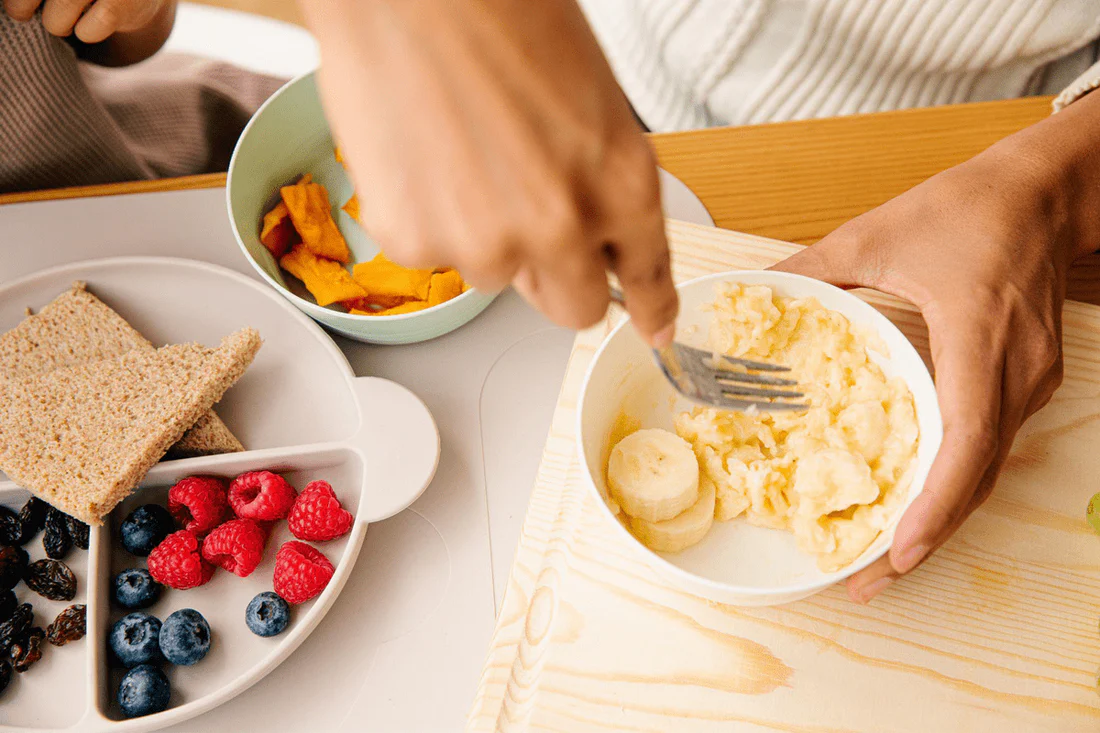
Feeding a baby in an apartment can be different from feeding in a large kitchen with extra counter space, a big freezer, and a full pantry. Many parents are working with small refrigerators, limited cabinets, no room for bulky gadgets, and busy schedules. Add laundry, daycare bags, work, errands, and cleanup, and baby meals can start to feel like another full-time job.
The good news is that clean baby meals do not need a large kitchen or complicated prep. Apartment-friendly baby feeding is about simple ingredients, small-batch cooking, easy storage, safe textures, and meals that can be made quickly without creating a huge mess.
At Clean Baby Bites, we believe clean feeding should fit real life. A baby does not need perfect homemade meals every day. They need safe, age-appropriate, nourishing foods served in a calm and consistent way. With the right staples and a simple routine, apartment parents can feed cleanly without feeling overwhelmed.
Keep Meals Simple
The easiest baby meals are usually the simplest. You do not need five ingredients, a blender, a steamer, and a full recipe every time. Many baby meals can be built from one or two soft foods.
Examples include mashed avocado, oatmeal with mashed banana, lentils with soft carrots, plain yogurt with cooked apple, scrambled egg with avocado, or soft sweet potato with beans. These foods are easy to prepare in small kitchens and do not require much equipment.
Parents starting solids can use Clean Baby Bites’ starting solids guide to understand readiness signs, safe textures, and how to introduce foods gradually.
Simple meals are not lazy. They are often the most practical and baby-friendly.
Use a Small Core Pantry
Apartment kitchens do not have space for every baby food product. Instead, build a small core pantry with flexible staples. Good options may include oats, iron-fortified oatmeal cereal, lentils, no-salt-added canned beans, soft pasta, quinoa, unsweetened applesauce, low-sodium pantry items, and a few carefully chosen pouches.
In the fridge, keep foods like plain full-fat yogurt, eggs, avocado, and prepared soft vegetables when possible. In the freezer, keep frozen peas, spinach, squash, mango, blueberries, broccoli, or cauliflower.
This setup lets you create quick meals without buying too much. A few staples can become many combinations.
For clean staple ideas, visit Clean Baby Bites’ clean baby foods page.
Oatmeal with Fruit
Oatmeal is one of the easiest apartment-friendly baby meals. It cooks quickly, stores easily, and can be mixed with many foods. For babies, use plain oats or iron-fortified infant oatmeal cereal depending on your baby’s stage and nutrition needs.
You can mix oatmeal with mashed banana, cooked apple, pear puree, plain yogurt, or a small amount of mashed berries prepared safely. For a more savory version, oatmeal can be mixed with mashed lentils or soft vegetables.
Avoid adding sugar, honey, syrup, or sweetened flavorings. Babies do not need added sweeteners. Honey should not be given to babies under 12 months.
The CDC’s guide on when, what, and how to introduce solid foods explains that babies can begin solids around 6 months when they show readiness signs and should be introduced to a variety of foods.
Lentil Mash
Lentils are perfect for apartment feeding because they are small, affordable, easy to store, and quick to cook. Red lentils soften especially fast and can become a smooth mash without much effort.
Cook lentils until very soft, then mash or blend depending on your baby’s stage. You can mix lentils with soft carrots, peas, squash, spinach, or a little plain yogurt if dairy has been introduced. Lentils provide plant-based protein, fiber, and iron.
Make a small batch and refrigerate or freeze portions. Silicone freezer trays or small glass containers can help if freezer space is limited.
For more baby meal combinations, visit Clean Baby Bites’ recipes and meal ideas.
Avocado Meals
Avocado is one of the easiest no-cook baby foods. It is soft, rich in healthy fats, and easy to mash with a fork. For apartment parents, it is useful because it requires no stove, no blender, and almost no cleanup.
You can serve avocado plain, mix it with banana, mash it with beans, stir it into oatmeal, or pair it with scrambled egg. For babies who are ready for finger foods, avocado can be served in safe pieces with careful supervision.
Because avocado browns quickly, use small portions. Store leftovers tightly covered in the fridge, but do not keep them too long.
Avocado is a simple example of clean feeding that does not require special baby food products.
Soft Scrambled Egg
Eggs can be a quick and nourishing baby meal when cooked fully and served safely. Soft scrambled egg can be prepared in a small pan in just a few minutes. It provides protein, fat, and important nutrients such as choline.
Serve egg plain or with mashed avocado, soft vegetables, or oatmeal. Avoid adding salt. Make sure the texture is soft and appropriate for your baby’s stage.
If your baby has allergy concerns, eczema, or a family history that worries you, speak with your pediatrician about introducing common allergens. HealthyChildren.org from the American Academy of Pediatrics offers guidance on starting solid foods, including readiness and food introduction basics.
Yogurt Bowls
Plain full-fat yogurt is a convenient apartment-friendly food for babies who can have dairy. Choose plain, unsweetened yogurt rather than flavored yogurt or dessert-style baby yogurts.
You can mix yogurt with mashed fruit, oatmeal, avocado, or cooked vegetables. Yogurt can also be used to soften other foods and make textures easier for babies.
If packing yogurt for daycare or errands, keep it cold with an insulated bag and ice pack. Do not leave perishable foods at room temperature for long periods.
Yogurt bowls are especially useful because they require no cooking and can be made in small portions.
Soft Pasta with Vegetables
Soft pasta can be a simple meal for babies who are ready for more texture. Choose small shapes or cut pasta into safe pieces based on your baby’s stage. Cook it until very soft.
Mix pasta with mashed peas, soft zucchini, lentil mash, plain yogurt, or a simple vegetable puree. Avoid salty sauces, heavy seasoning, and adult pasta sauces with added sodium.
Soft pasta can also help babies practice chewing and self-feeding when developmentally ready.
For apartment parents, pasta is useful because it stores easily and cooks quickly in one pot.
Beans and Sweet Potato
No-salt-added canned beans can be a practical pantry staple. Rinse them well, warm them if needed, and mash them into a soft texture. Beans can be mixed with sweet potato, avocado, squash, or plain yogurt.
Sweet potato is soft and baby-friendly, but it should be part of a rotation rather than served every day. Root vegetables can absorb contaminants from soil, so variety matters.
Clean Baby Bites’ page on avoiding toxins explains why rotating foods is useful for reducing repeated exposure.
A bean and sweet potato mash is filling, simple, and easy to make in a small kitchen.
Frozen Vegetable Purees
Frozen vegetables are very useful for apartment parents. They reduce waste, save space, and cook quickly. You can steam or boil a small amount of frozen peas, carrots, broccoli, squash, or cauliflower, then mash or blend into a safe texture.
Frozen peas with oatmeal, squash with lentils, or broccoli with plain yogurt can become quick baby meals. Frozen vegetables also help parents avoid buying too much fresh produce that may spoil before it is used.
For babies, vegetables should be cooked until soft and served in textures that match readiness. Hard pieces should be avoided.
Frozen produce makes clean feeding easier, especially when grocery trips are limited.
One-Pot Baby Meals
One-pot meals are ideal for small kitchens because they reduce dishes and cleanup. You can cook lentils, vegetables, and a grain together until everything is soft. Then mash or blend a baby portion before seasoning the rest for adults.
For example, cook red lentils with carrots and oats. Or cook quinoa with peas and squash. Or simmer beans with soft vegetables. Keep the baby portion unsalted and mild.
This approach helps babies gradually join family meals while still keeping food appropriate for their age.
One-pot cooking also saves time. Parents can prepare a few small portions at once without filling the kitchen with dishes.
Small-Batch Meal Prep
Apartment parents may not have freezer space for large batches of baby food. Small-batch prep often works better. Instead of making 30 portions, make enough for two or three days.
Cook a small amount of lentils, steam a handful of vegetables, prepare oatmeal, or mash beans. Store portions in small containers. Label them if freezing.
The FDA’s guide on food safety once baby arrives reminds parents to use clean utensils and safe handling when preparing baby food. This is especially important when storing leftovers.
Small-batch prep keeps feeding manageable and reduces waste.
Use Compact Feeding Gear
You do not need a kitchen full of baby gadgets. A few compact tools can make feeding easier. Helpful items may include a small steamer basket, fork or masher, soft baby spoon, suction bowl, silicone freezer tray, bib, small glass containers, and a compact high chair or booster seat.
Avoid buying too many bulky appliances unless you know you will use them. A regular fork, small pot, and simple storage containers can handle many baby meals.
Clean Baby Bites’ feeding gear guide can help parents choose practical tools without overbuying.
In a small apartment, the best gear is easy to clean, easy to store, and useful every week.
Use Pouches Carefully
Pouches can be helpful for apartment parents because they are easy to store and pack. They work well for errands, daycare, and travel. But they should not be the only way your baby eats.
Many pouches are fruit-heavy and very sweet. Read the ingredient list. Choose pouches with no added sugar, no added salt, and varied ingredients. Look for some vegetable-forward and protein-containing options.
When possible, squeeze the pouch into a bowl and feed with a spoon. This helps your baby see and interact with the food.
Pouches are a tool, not a full feeding plan.
Keep Cleanup Easy
Mess is part of baby feeding, but apartment cleanup can feel harder when space is limited. Keep cleanup simple by using a washable bib, a small floor mat if needed, and easy-rinse bowls.
Offer small portions at first. You can always add more. Smaller portions reduce waste and mess while your baby learns.
Wipe the high chair immediately after meals so food does not dry into corners. Wash utensils and bowls soon after eating.
Clean feeding should not leave parents exhausted from cleanup every time.
Avoid Overcomplicated Recipes
Many baby food recipes online look beautiful but require too many ingredients or tools. Busy parents do not need complicated recipes to feed well.
A good baby meal can be as simple as oatmeal and pear, lentils and peas, avocado and egg, yogurt and banana, or pasta and squash. These meals are not boring to babies. They are new, useful, and developmentally appropriate.
Focus on safe textures, balanced variety, and no added sugar or salt. That matters more than presentation.
Plan Around Your Real Schedule
Apartment-friendly feeding should match your actual routine. If mornings are rushed, keep oatmeal, yogurt, and fruit ready. If evenings are busy, use frozen vegetables and lentils. If daycare requires packed meals, prep small containers the night before.
Parents can explore Clean Baby Bites’ urban parenting and feeding page for ideas that fit city life and compact kitchens.
A realistic feeding plan is better than an ideal plan you cannot maintain.
Final Thoughts
Easy apartment-friendly baby meals are built from simple staples, small-batch prep, safe textures, and practical routines. You do not need a big kitchen or expensive gadgets to feed your baby cleanly.
Good options include oatmeal with fruit, lentil mash, avocado meals, scrambled egg, yogurt bowls, soft pasta with vegetables, beans and sweet potato, frozen vegetable purees, and simple one-pot meals. Add pouches and store-bought options when needed, but keep the overall routine varied.
Clean feeding in an apartment should feel doable. Choose flexible staples, use compact gear, prep small amounts, and focus on safety over perfection.
For more practical baby feeding guidance, visit the Clean Baby Bites blog or explore the Clean Baby Bites FAQ for answers about starting solids, clean foods, toxins, feeding gear, and urban baby meals.