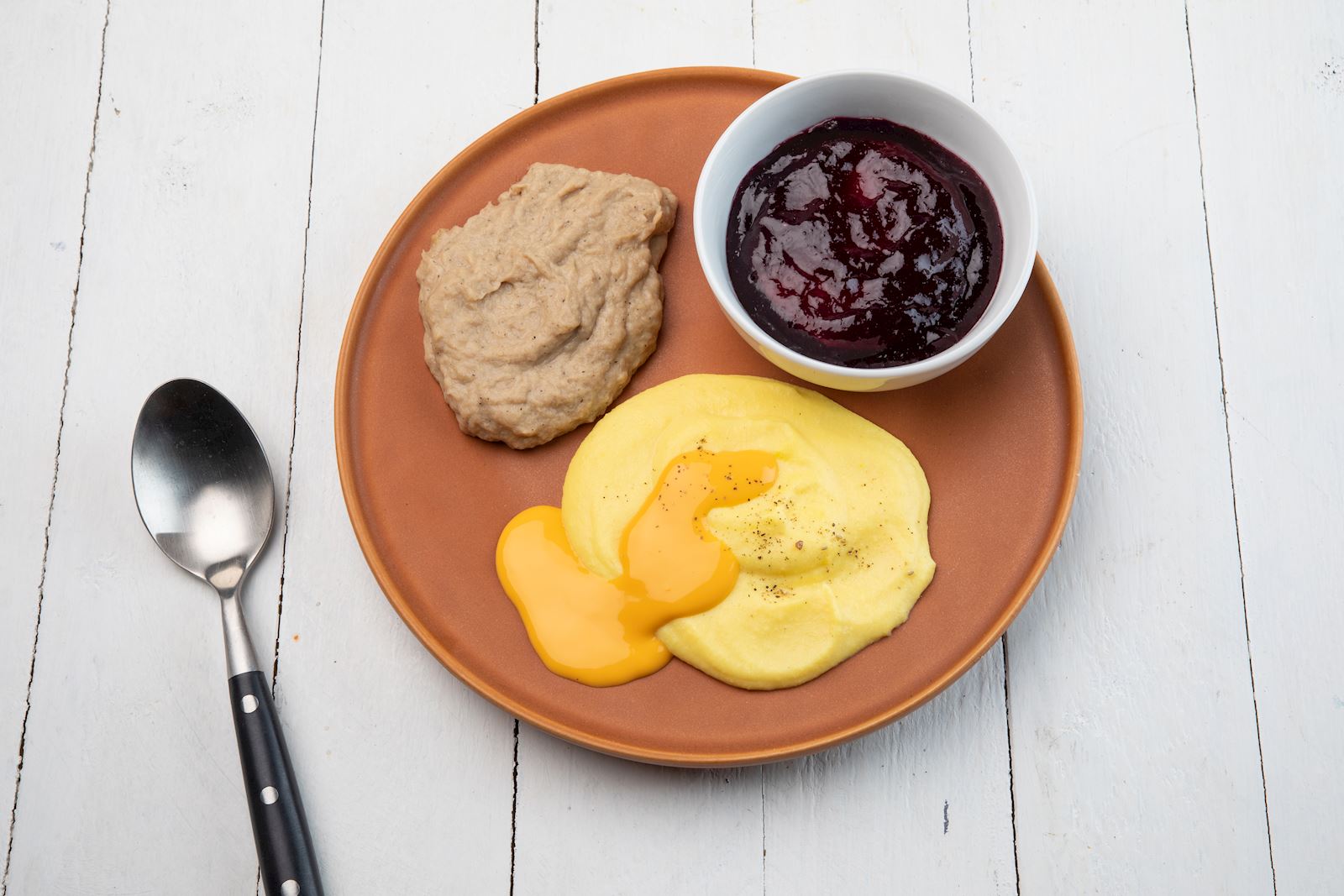
Pre-made purees can be a huge help for parents. They are convenient, easy to store, simple to pack, and useful for daycare, travel, busy mornings, or days when cooking is not realistic. Many parents want to feed their babies clean, nourishing foods but also need options that fit real life. Pre-made purees can absolutely be part of that routine when chosen carefully.
The challenge is that not every puree is equal. Some are simple and balanced. Others are mostly sweet fruit, even when the front label shows vegetables. Some include added sugar, unnecessary salt, or ingredients that do not add much nutrition. Parents also have reasonable questions about heavy metals, packaging, freshness, and whether pouches are better or worse than jars.
At Clean Baby Bites, we believe clean feeding should be realistic. You do not need to make every meal from scratch to feed your baby well. The safest pre-made purees are the ones with simple ingredients, age-appropriate textures, low sugar, no added salt, good variety, and responsible use.
What Makes a Pre-Made Puree Safer?
A safer pre-made puree starts with a clear ingredient list. Ideally, the ingredients should be recognizable and limited. For example, a puree with peas and water is easier to understand than one with several concentrates, sweeteners, fillers, or flavoring ingredients.
Safe also means age-appropriate. A puree for a baby just starting solids should be smooth and simple. As babies develop, they should gradually experience thicker textures and soft foods, not stay on thin purees forever.
A safer puree should not include added sugar or unnecessary salt. Babies do not need sweetened purees, and they do not need salty foods. Flavor should come from the food itself.
Parents can explore Clean Baby Bites’ clean baby foods guide for more help understanding what simple baby food choices look like.
Read the Back, Not the Front
The front of a puree package is marketing. It may show spinach, kale, carrots, berries, or other healthy-looking foods. But the ingredient list on the back tells the real story.
Many pouches that look vegetable-based are mostly fruit puree. A pouch may show kale on the front but list apple, pear, or banana as the first ingredient. That does not make it unsafe, but it does mean the product may taste mostly sweet and may not teach your baby to enjoy vegetable flavors.
Ingredients are listed by weight. If apple puree or pear puree is first, that is the main ingredient. If spinach is near the end, there may be very little spinach in the pouch.
For safer everyday choices, look for purees where the main ingredient matches what the product claims to be. A pea puree should be mostly peas. A carrot puree should be mostly carrots. A lentil blend should include meaningful lentils, not just fruit with a small amount of legume.
Avoid Added Sugar
Babies do not need added sugar in purees. Fruit already contains natural sweetness, and babies can learn to enjoy a wide range of flavors without sweeteners.
Added sugar may appear as cane sugar, syrup, fruit juice concentrate, apple juice concentrate, grape juice concentrate, date syrup, coconut sugar, agave, molasses, or other sweeteners. Even if a sweetener sounds natural, it is still added sweetness.
The American Academy of Pediatrics explains that children under 2 should avoid added sugars. Their guidance on added sugar in children’s diets emphasizes that early food habits can shape preferences.
For pre-made purees, the best choice is usually no added sugar. If the puree is fruit-based, the fruit itself is sweet enough.
Watch for Fruit-Heavy Blends
Fruit purees can be part of baby feeding, but many pre-made blends are heavily fruit-based. This matters because babies need chances to learn savory, earthy, mild, and slightly bitter flavors too.
If most pouches taste like apple, pear, banana, or mango, your baby may become less interested in vegetables, beans, meats, grains, or plain yogurt. Sweet flavors are easy to accept. Savory flavors often need more practice.
This does not mean fruit pouches are bad. They are useful sometimes. But try to rotate them with vegetable-forward purees, protein-containing purees, and homemade or store-bought options that are not always sweet.
For meal variety beyond fruit-based blends, visit Clean Baby Bites’ recipes and meal ideas.
Look for Iron-Rich Options
Many pre-made purees are mostly fruits and vegetables. Those can be useful, but babies also need iron-rich foods around the time they begin solids. Iron is important because babies’ iron stores begin to decrease around 6 months.
Iron-rich pre-made options may include purees with meat, poultry, lentils, beans, or iron-fortified grains. These may not be as sweet as fruit blends, but they can support nutrition more effectively.
The CDC’s guide on introducing solid foods explains that babies can begin solids around 6 months when ready, and that a variety of foods should be introduced.
If your baby is mostly eating fruit and vegetable pouches, ask whether iron-rich foods are also part of the routine. Clean feeding is not only about avoiding unwanted ingredients. It is also about including important nutrients.
Limit Added Salt
Babies do not need added salt in purees. Their taste preferences are still developing, and many adult foods contain more sodium than babies need.
When checking pre-made purees, look at the sodium content and ingredient list. Most simple fruit and vegetable purees should be very low in sodium. Be cautious with mixed meals, broths, sauces, or savory blends that may include added salt.
Flavor can come from the ingredients themselves. As your baby grows, mild herbs or spices may be introduced when appropriate, but salty foods should not be a regular part of baby feeding.
A clean puree should be gentle, simple, and suited to babies, not seasoned like adult food.
Heavy Metals: What Parents Should Know
Heavy metals are one of the biggest concerns around pre-made baby food. Metals such as arsenic, lead, cadmium, and mercury can enter food through soil, water, and the environment. They can appear in packaged foods and homemade foods because they may be present in the ingredients themselves.
The FDA’s Closer to Zero initiative is focused on reducing exposure to contaminants in foods eaten by babies and young children. This shows that the concern is real, but it also shows that the goal is reduction, not panic.
Parents can lower exposure by offering variety, avoiding overreliance on rice-based foods, rotating vegetables and fruits, and choosing brands that discuss testing and sourcing clearly.
Clean Baby Bites’ page on avoiding toxins offers more practical ways to think about reducing exposure without fear.
Choose Variety Across Ingredients
The safest puree routine is not one pouch every day. Variety matters because it reduces repeated exposure to the same ingredients and helps babies learn more flavors.
Rotate fruits, vegetables, grains, proteins, and legumes. Instead of always choosing sweet potato, rotate with peas, green beans, squash, lentils, carrots, avocado, beans, meats, and other safe options. Instead of always choosing apple-based blends, try vegetable-forward blends or savory purees.
Variety also supports nutrition. Different foods provide different vitamins, minerals, fibers, fats, and proteins.
Parents do not need a perfect weekly menu. Even small rotation helps. If your baby eats pouches often, buy different ingredient types rather than the same favorite flavor every time.
Pouches vs. Jars
Pouches are convenient, lightweight, and easy to carry. Jars are easy to spoon-feed from and may encourage a more traditional mealtime experience. Both can be useful.
One concern with pouches is that babies may suck down puree quickly without seeing, smelling, touching, or practicing spoon feeding. If pouches are used too often, babies may miss some sensory and oral motor practice.
This does not mean pouches are bad. They are helpful for travel and busy days. But when possible, squeeze the puree into a bowl and feed with a spoon, or let your baby explore food in safe ways based on their stage. This allows them to see the food, smell it, and engage more with mealtime.
Jars can also be useful because parents can see the food and control portions more easily. The best choice depends on the situation.
Texture Progression Still Matters
Pre-made purees are often smooth, which is helpful at the beginning. But babies should not stay on smooth purees forever unless there is a medical or developmental reason. As babies grow, they need opportunities to experience thicker textures, mashed foods, soft lumps, and safe finger foods.
Texture progression supports feeding development. If babies only receive thin purees for too long, they may have a harder time accepting more textured foods later.
HealthyChildren.org from the American Academy of Pediatrics provides guidance on starting solid foods, including signs of readiness and feeding development.
Pre-made purees can be part of the journey, but they should not be the whole journey. Follow your baby’s readiness and pediatric guidance.
Packaging and Storage Safety
Safe purees are not only about ingredients. Packaging and storage matter too. Always check expiration dates, seals, and package condition before serving. Do not use pouches or jars that are swollen, leaking, cracked, damaged, or have broken seals.
Once opened, follow the storage instructions on the package. Many purees need refrigeration after opening and should be used within a certain time. Do not let baby food sit out too long, especially after a baby has eaten directly from the container.
If feeding from a jar or pouch, avoid putting a used spoon back into the container if you plan to save leftovers. Saliva can introduce bacteria. Instead, serve a portion into a bowl and refrigerate the rest immediately.
Clean feeding includes safe handling.
Be Careful with “Stage” Labels
Many pre-made purees use stage labels like Stage 1, Stage 2, or Stage 3. These can be helpful, but they are not universal across brands. One brand’s Stage 2 may not be the same as another brand’s Stage 2.
Instead of relying only on stage labels, look at texture, ingredient complexity, and your baby’s readiness. A baby just starting solids may need single-ingredient smooth purees. A baby with more experience may be ready for thicker blends or mixed ingredients.
If your baby has allergies, feeding difficulties, or medical concerns, ask your pediatrician how to introduce new foods and textures safely.
Parents can use Clean Baby Bites’ starting solids page for more guidance on readiness and progression.
Allergen Introduction and Purees
Some pre-made purees may include common allergens such as dairy, egg, wheat, soy, fish, sesame, peanuts, or tree nuts. Allergen introduction can be important, but it should be done thoughtfully.
Read labels carefully. If a puree contains multiple ingredients and your baby reacts, it may be harder to know which ingredient caused the reaction. For first introductions, many parents prefer simple forms of the allergen prepared safely and offered in small amounts.
If your baby has severe eczema, known allergies, or a family history that concerns you, talk with your pediatrician before introducing common allergens.
Purees can support allergen introduction, but clarity matters. Simple ingredients make it easier to observe your baby’s response.
What to Avoid in Pre-Made Purees
Avoid purees with added sugar, honey, unnecessary salt, artificial colors, dessert-style flavors, or vague ingredient lists. For babies under 12 months, honey should be avoided because of the risk of infant botulism.
The CDC includes honey among foods to limit or avoid for infants under 12 months in its guidance on foods and drinks to limit.
Also be cautious with purees that are mostly juice concentrate or sweet fruit blend. They may seem healthy but can train babies toward very sweet flavors.
For everyday use, simple is usually better.
How Often Should Parents Use Pre-Made Purees?
There is no single rule. Some families use pre-made purees occasionally. Others use them daily because of work, daycare, travel, or limited cooking space. The key is balance.
If pre-made purees are a regular part of your baby’s diet, choose varied ingredients, include iron-rich options, use spoon-feeding sometimes, and introduce textures as your baby develops. Avoid relying only on sweet pouches.
Urban parents may especially need convenient options. Clean Baby Bites’ page on urban parenting and feeding offers support for real-life feeding routines in busy city homes.
Using pre-made purees does not make you a less careful parent. Choosing them thoughtfully is what matters.
Final Thoughts
The safest pre-made purees are simple, age-appropriate, low in added sugar and salt, varied in ingredients, and handled safely. Parents should read ingredient lists carefully, look beyond front-label marketing, include iron-rich foods, rotate ingredients, and avoid overusing sweet fruit-heavy blends.
Heavy metals are a real concern, but they should lead to practical variety, not panic. Pouches and jars can both be useful, but babies should also experience spoon feeding, texture progression, and safe soft foods as they grow.
Clean feeding does not require every meal to be homemade. Pre-made purees can be part of a healthy routine when they are chosen with care.
For more practical baby feeding guidance, visit the Clean Baby Bites blog or explore the Clean Baby Bites FAQ for answers about clean baby foods, toxins, feeding gear, and starting solids.