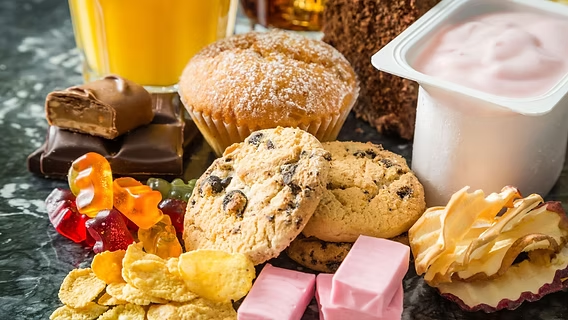
Baby snacks can look healthy at first glance. The package may say “organic,” “made with real fruit,” “no artificial flavors,” “natural,” or “perfect for little hands.” The colors may be soft, the ingredients may sound gentle, and the snack may be placed in the baby aisle. But many baby snacks still contain hidden sugar or are made mostly from sweet ingredients.
Hidden sugar does not always look like white sugar on a label. It may appear as fruit juice concentrate, cane syrup, brown rice syrup, apple juice concentrate, date paste, honey, molasses, coconut sugar, or other sweeteners. Some snacks also taste very sweet because they are mostly fruit puree, even if no refined sugar is added.
At Clean Baby Bites, we believe parents should not have to decode confusing labels alone. Avoiding hidden sugar is not about being strict or fearful. It is about helping babies learn a wider range of flavors and building snack habits that support healthy growth.
Why Hidden Sugar Matters
Babies do not need added sugar in their snacks. During the first year, breast milk or formula provides the main nutrition, while solids help babies learn textures, flavors, and eating skills. Snacks should support that learning, not train babies to expect everything to taste sweet.
A baby’s early food experiences can shape taste preferences. If most snacks are sweet puffs, fruit bars, yogurt melts, sweet pouches, or juice-based foods, babies may become less interested in savory flavors like vegetables, beans, eggs, meats, plain yogurt, or whole grains.
The American Academy of Pediatrics explains that added sugars should be avoided for children under 2 years old. Their guidance on added sugar in children’s diets reminds parents that young children can develop preferences for sweet foods early.
This does not mean fruit is bad. Whole fruit can be a healthy part of baby feeding. The concern is added sugar and snack products that are sweetened unnecessarily.
Read the Ingredient List First
The front of the package is designed to sell the product. The ingredient list tells you more. When checking baby snacks, always turn the package around and read the ingredients.
Ingredients are listed in order by weight. If sugar, syrup, juice concentrate, or fruit puree appears near the beginning, the snack may be mostly sweet ingredients. A snack can say “made with spinach” on the front but still be mostly apple puree or grape juice concentrate.
Look for short, clear ingredient lists. A better baby snack may include simple ingredients like oats, whole grains, fruit, vegetables, beans, lentils, yogurt, or nut/seed ingredients when age-appropriate and safely prepared. Avoid products where sweeteners are doing most of the work.
Parents learning how to choose simpler foods can explore Clean Baby Bites’ clean baby foods guide for practical food ideas.
Learn the Many Names for Sugar
Sugar can appear under many names. Some are obvious, like sugar or cane sugar. Others sound healthier, but they still sweeten the food.
Common sugar names include cane syrup, brown rice syrup, fruit juice concentrate, apple juice concentrate, grape juice concentrate, date syrup, coconut sugar, molasses, honey, maple syrup, agave nectar, malt syrup, corn syrup, and evaporated cane juice.
For babies under 12 months, honey should be avoided completely because it can carry a risk of infant botulism. The CDC explains that honey should not be given to babies under 1 year old.
Some sweeteners may sound natural, but natural does not mean necessary. A baby snack does not need syrup, honey, or juice concentrate to be useful.
Watch Out for Fruit Juice Concentrate
Fruit juice concentrate is one of the most common hidden sweeteners in baby snacks. It may sound better than sugar because it comes from fruit, but it is still used to sweeten food.
Whole fruit contains fiber, water, vitamins, and natural sugars in a complete food form. Juice concentrate is more concentrated and often used to make snacks sweeter. It may appear in puffs, bars, melts, biscuits, and pouch blends.
The American Academy of Pediatrics recommends no fruit juice for infants under 1 year unless medically advised. Their policy on fruit juice for infants, children, and adolescents explains why whole fruit is preferred.
If a baby snack uses fruit juice concentrate as a main ingredient, it is usually better to choose another option or use it only occasionally.
“No Added Sugar” Can Still Be Very Sweet
A snack labeled “no added sugar” may still taste extremely sweet if it is mostly fruit puree, dates, raisins, or concentrated fruit ingredients. This can be confusing because the label may technically be true.
For example, a fruit bar made from dates and apple puree may have no refined sugar added, but it can still be very sweet and sticky. A pouch made mostly from apple, pear, and banana may taste like dessert even if it includes a small amount of spinach.
This does not make the food automatically bad. It just means parents should think about frequency and balance. If most snacks are fruit-based and sweet, babies may get fewer chances to enjoy savory foods.
Clean feeding is not only about avoiding sugar on the label. It is also about offering flavor variety.
Be Careful with Baby Yogurt Snacks
Yogurt can be a healthy food for babies when served plain and age-appropriately. But many yogurt snacks and melts are sweetened. Some include sugar, fruit juice concentrate, or sweet fruit powders.
Plain full-fat yogurt is often a better option than sweetened baby yogurt snacks. It can be served with mashed fruit, oatmeal, or soft cooked vegetables depending on your baby’s stage. If buying yogurt, look for plain, unsweetened options.
Avoid honey-sweetened yogurt for babies under 12 months. Also avoid dessert-style yogurts, candy-like yogurt bites, or snacks that make yogurt taste like candy.
For simple baby meal ideas using plain ingredients, visit Clean Baby Bites’ recipes and meal ideas.
Puffs and Melts Are Not Always Healthy
Baby puffs and melts are popular because they dissolve easily and help babies practice picking up food. Some can be useful in moderation, but many are made with refined starches and sweet flavors.
Check whether the snack is mainly rice flour, fruit powder, juice concentrate, or sugar. Rice-based snacks may also raise concerns because rice can contain higher arsenic levels than some other grains. The American Academy of Pediatrics’ HealthyChildren.org guide on metals in baby food recommends varying grains and limiting reliance on rice-based foods.
If you use puffs, rotate them with other safe snacks. Do not let them become the main snack every day. Babies can practice self-feeding with many soft foods beyond packaged snacks.
Choose Snacks That Teach Real Food Flavors
Baby snacks are not only about filling hunger. They also teach taste and texture. A good snack can help babies learn mild, savory, tangy, and natural flavors.
Instead of only sweet snacks, try soft avocado, plain yogurt, mashed beans, soft cooked vegetables, small pieces of ripe fruit, scrambled egg pieces, soft oatmeal, lentil mash, or age-appropriate toast strips depending on your baby’s readiness.
The CDC’s guide on when, what, and how to introduce solid foods explains that babies can begin solids around 6 months when they show readiness signs and that a variety of foods can be introduced as they grow.
Real food snacks do not need to be complicated. Soft, safe, simple foods are often better than heavily marketed baby snacks.
Avoid Sweet Drinks
Hidden sugar is not only in snacks. Drinks can also add unnecessary sweetness. Babies under 12 months do not need juice, sweet drinks, flavored milks, or plant-based sweetened drinks.
For babies starting solids, breast milk or formula remains the main nutrition. Small amounts of water may be offered with meals when appropriate, based on pediatric guidance. Juice should not be used as a daily drink for babies.
Sweet drinks can encourage a preference for sweetness and may reduce interest in more nourishing foods. They can also contribute to dental concerns as teeth come in.
If your baby is thirsty, follow pediatric guidance for breast milk, formula, and water based on age.
Use Whole Fruit Instead of Fruit Snacks
Fruit is not the enemy. Whole fruit can be a healthy baby food when served in a safe texture. The issue is fruit-flavored snacks that behave more like candy than fruit.
Whole fruit gives babies fiber, water, texture, and real flavor. Fruit snacks, fruit strips, sweet pouches, and juice-based melts may be sticky, concentrated, and very sweet.
Offer fruit in safe forms, such as mashed banana, soft ripe pear, cooked apple, soft peach, or berries prepared appropriately for your baby’s age and chewing ability. Avoid hard chunks or round shapes that may be choking hazards.
Fruit can be part of clean baby feeding, but it should not be the only flavor your baby learns.
Watch for “Toddler” Snacks Given Too Early
Some snacks marketed for toddlers are not appropriate for babies. They may contain more sugar, salt, hard textures, sticky textures, or choking hazards. Just because a product is in the baby or toddler aisle does not mean it fits your child’s stage.
Always check the recommended age, texture, and your baby’s feeding skills. Some babies may not be ready for certain crackers, bars, dried fruit, or crunchy snacks.
Starting solids is a gradual process. Parents can use Clean Baby Bites’ starting solids page for guidance on readiness, texture progression, and safe feeding basics.
When in doubt, choose softer, simpler foods.
Homemade Snacks Can Still Contain Sugar
Homemade does not always mean low sugar. Many homemade baby muffins, pancakes, bars, or teething biscuits include maple syrup, honey, dates, fruit juice, or large amounts of banana.
For babies, try recipes that rely on simple ingredients and avoid added sweeteners. A banana-oat pancake may be sweet from banana, but it does not need syrup. Soft vegetable muffins do not need sugar. Oatmeal can be served with fruit instead of sweetener.
Homemade snacks give you control, but it is still worth asking: is this snack helping my baby learn balanced flavors, or is it mostly sweet?
Balance Convenience with Better Choices
Busy parents need convenient snacks. That is normal. Clean feeding does not mean every snack must be homemade. It means choosing packaged options carefully and using them as part of a balanced routine.
When buying baby snacks, look for options with no added sugar, low sodium, simple ingredients, and varied grains. Choose snacks that are not always rice-based or fruit-concentrate-based. Rotate brands and food types when possible.
For urban parents with limited time or space, convenience may be especially important. Clean Baby Bites’ page on urban parenting and feeding shares practical feeding support for real-life routines.
The goal is progress, not perfection.
Check Sodium Along with Sugar
Sugar is not the only label concern. Some baby and toddler snacks also contain more sodium than expected. Babies do not need salty snacks, and many adult-style crackers or packaged foods are not designed for infant feeding.
When checking labels, look at both sugar and sodium. A snack may be low in sugar but still salty. Choose plain, simple foods most of the time.
Good snack choices support taste learning without training babies to expect very sweet or very salty foods.
Make Snack Time Part of Learning
Snack time is a chance for babies to practice chewing, touching, smelling, and exploring foods. It should not always be a pouch or a packaged melt. Let babies experience real textures when they are ready.
Offer soft foods in safe sizes and shapes. Sit with your baby during eating. Avoid giving snacks while babies crawl, lie down, ride in a car seat, or move around, because eating should be supervised and safe.
The feeding environment matters too. Clean spoons, safe bowls, bibs, and high chairs can support calm feeding. Parents can explore Clean Baby Bites’ feeding gear page for more practical setup ideas.
Final Thoughts
Hidden sugar in baby snacks can be easy to miss because it appears under many names and is often wrapped in healthy-sounding marketing. Fruit juice concentrate, cane syrup, brown rice syrup, date paste, honey, maple syrup, and other sweeteners may all make snacks sweeter than babies need.
Avoiding hidden sugar does not mean avoiding all fruit or never using packaged snacks. It means reading labels, choosing simple ingredients, limiting sweetened products, avoiding juice for babies, and offering a variety of savory and naturally mild foods.
Babies do not need snacks that taste like dessert. They need safe, age-appropriate foods that help them learn real flavors and textures. A balanced snack routine can include whole fruit, soft vegetables, beans, lentils, eggs, plain yogurt, oatmeal, avocado, and carefully chosen packaged options.
For more practical guidance on clean feeding, visit the Clean Baby Bites blog or explore the Clean Baby Bites FAQ for answers about starting solids, clean foods, toxins, and feeding gear.