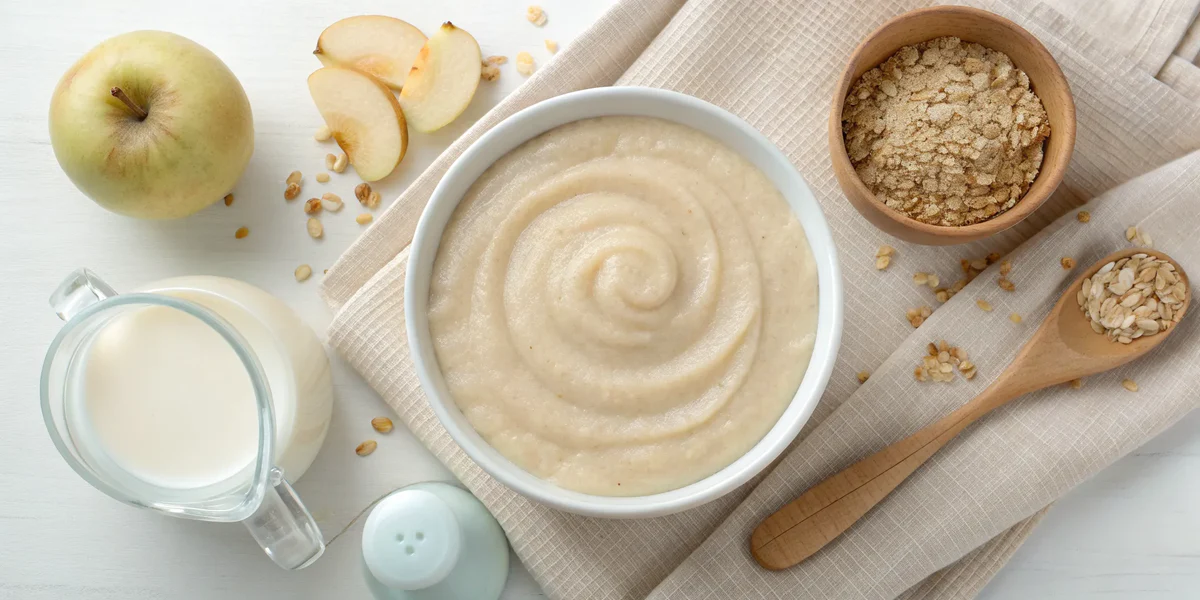
Parents hear the phrase “clean baby food” everywhere. It appears on pouches, jars, snack packs, social media posts, parenting blogs, and product labels. It sounds comforting, simple, and safe. But what does it actually mean?
The truth is that “clean baby food” is not always a regulated or clearly defined phrase. Sometimes it means simple ingredients. Sometimes it means organic. Sometimes it means no added sugar, no artificial colors, or fewer preservatives. Sometimes it is mostly marketing language designed to make one product feel better than another.
At Clean Baby Bites, we believe parents deserve clear, practical information without fear-based messaging. Clean baby food should not be about chasing perfect labels or feeling guilty. It should be about choosing safe, nourishing, age-appropriate foods and understanding what matters most.
“Clean” Should Mean Simple, Safe, and Nourishing
A useful definition of clean baby food is food that is appropriate for your baby’s age, made from recognizable ingredients, prepared safely, and offered as part of a varied diet. It does not need to be fancy, expensive, or packaged in trendy branding.
Clean baby food can be homemade mashed avocado, soft cooked lentils, plain yogurt, steamed carrots, oatmeal, banana, egg, or a balanced store-bought puree with simple ingredients. It can be organic or non-organic. It can come from your kitchen or from a trusted brand.
The most important question is not whether the label says “clean.” The better question is: does this food support my baby’s growth, development, and safety?
Parents starting solids can explore Clean Baby Bites’ guide to starting solids for more help with timing, textures, and first-food confidence.
Clean Does Not Always Mean Organic
Many parents assume clean baby food must be organic. Organic foods can be a good option for many families, but organic does not automatically mean perfect, toxin-free, or nutritionally superior in every situation.
Organic farming rules limit certain synthetic pesticides and fertilizers, but organic foods can still contain naturally occurring contaminants from soil, water, or processing. This matters because babies are small, developing quickly, and may eat the same foods repeatedly.
The FDA’s Closer to Zero initiative focuses on reducing exposure to contaminants such as lead, arsenic, cadmium, and mercury in foods commonly eaten by babies and young children. The goal is to reduce exposure as much as possible while still keeping nutritious foods available.
This means parents should not rely only on an organic label. Variety, smart food choices, safe preparation, and trusted guidance matter too.
Clean Does Not Mean Fear of All Packaged Food
Some parents feel guilty for using store-bought baby food. They may think clean baby food must be homemade every time. That is not true.
Packaged baby food can be convenient, helpful, and appropriate when chosen carefully. Many families use a mix of homemade and store-bought options. That is completely normal.
The key is to read labels. Look for short ingredient lists, no added sugar, no unnecessary salt, and foods that match your baby’s age and texture readiness. A pouch with apple, spinach, and lemon juice may sound healthy, but if it is mostly sweet fruit puree, it may not help your baby learn a broad range of flavors. A jar of simple peas or plain sweet potato may be more useful in some cases.
Clean baby food is not about rejecting convenience. It is about choosing convenience wisely.
For more ideas, parents can visit Clean Baby Bites’ clean baby foods page for practical food guidance.
Added Sugar Is Usually Not Needed
One clear part of clean baby food is avoiding added sugar when possible. Babies do not need sweetened foods to enjoy eating. Fruit is naturally sweet, and babies can learn to enjoy vegetables, grains, proteins, and healthy fats without added sweeteners.
Added sugars can also shape taste preferences early. If babies mostly receive very sweet foods, they may become less open to bitter, savory, or mild flavors.
Parents do not need to panic about every gram of natural sugar in fruit. Fruit can be part of a healthy baby diet. The issue is added sugar, sweetened snacks, dessert-style yogurts, sweet drinks, and foods marketed as healthy but built mostly around sweetness.
A clean approach encourages a variety of flavors, including savory foods, iron-rich foods, soft vegetables, beans, eggs, meats where appropriate, and unsweetened options.
Salt Should Be Limited
Babies do not need salty foods. Their kidneys are still developing, and many processed foods are made for adult taste preferences, not infant needs. Clean baby food should avoid unnecessary added salt.
This does not mean baby meals must be flavorless. You can use natural flavor from foods themselves, and depending on age and family preferences, gentle herbs or mild spices may be introduced when appropriate. But salty sauces, processed meats, salty snacks, and heavily seasoned adult foods should be avoided for babies.
When using packaged foods, check the sodium content. Some foods that seem healthy may still contain added salt. Plain, simple options are often better.
For meal ideas that focus on baby-friendly ingredients, visit Clean Baby Bites’ recipes and meal ideas.
Heavy Metals Are a Real Concern, but Panic Does Not Help
One reason parents search for clean baby food is concern about heavy metals in baby foods. This concern is real, but it should be handled with balance.
Heavy metals such as arsenic, lead, cadmium, and mercury can occur in foods because they are found in soil, water, and the environment. Some foods may contain higher levels than others. Babies and young children are more vulnerable because of their smaller bodies and developing brains.
The American Academy of Pediatrics has shared guidance on reducing heavy metal exposure in baby food, emphasizing practical steps like offering a variety of foods and avoiding overreliance on certain high-risk foods.
Parents should not respond by removing entire food groups without guidance. Instead, focus on variety. Rotate grains. Offer different fruits and vegetables. Do not rely heavily on rice-based snacks or rice cereal. Include iron-rich foods and safe, age-appropriate textures.
Clean baby food is not about fear. It is about informed choices.
Rice-Based Foods Deserve Extra Attention
Rice can absorb more arsenic from soil and water than many other grains. This does not mean rice must be banned completely, but it does mean parents should avoid making rice cereal or rice snacks the main daily food.
Instead of only rice cereal, parents can offer oats, barley, quinoa, wheat-based options where appropriate, or other grain choices. If serving rice, variety and moderation are helpful.
This is a good example of what clean baby food really means. It is not about one perfect product. It is about avoiding too much repetition of foods that may carry higher exposure risks.
For more practical guidance around reducing unwanted exposure, Clean Baby Bites has a section on avoiding toxins.
Clean Baby Food Includes Iron-Rich Foods
Sometimes “clean” gets confused with only fruits and vegetables. But babies need more than produce. Around the time solids begin, iron becomes especially important because babies’ iron stores start to decrease.
The CDC explains that babies can begin solid foods at about 6 months and that parents should look for developmental readiness signs before starting. Their guide on when, what, and how to introduce solid foods also emphasizes offering a variety of foods as babies grow.
Iron-rich baby foods may include iron-fortified infant cereal, soft cooked beans, lentils, meats, poultry, fish low in mercury, eggs, and other age-appropriate options depending on family diet and pediatric guidance.
A clean baby food approach should not be only “green” or “organic.” It should be nutritionally complete.
Texture Matters as Much as Ingredients
A food can have clean ingredients and still be wrong for your baby if the texture is unsafe or not developmentally appropriate. Starting solids is not only about what babies eat. It is also about how they learn to move food in the mouth, swallow safely, and gradually handle new textures.
Purees can be useful, but babies also need texture progression over time. Depending on readiness and guidance, soft mashed foods, thick purees, and safe finger foods may become part of the journey.
HealthyChildren.org from the American Academy of Pediatrics offers guidance on starting solid foods, including signs of readiness and practical feeding tips.
Clean baby food should be safe for the baby’s stage. Whole grapes, hard raw vegetables, chunks of nut butter, popcorn, nuts, and other choking hazards are not appropriate even if they are “natural.”
Feeding Gear Matters Too
Clean baby food is not only about the food. It is also about what touches the food. Bottles, bowls, spoons, storage containers, bibs, high chairs, and silicone feeders all become part of the feeding environment.
Parents may prefer materials that are easy to clean, durable, and designed for safe infant feeding. Avoid damaged plastics, cracked containers, and items that are hard to wash properly. Follow manufacturer instructions for cleaning and use.
If you prepare food at home, safe storage matters. Refrigerate or freeze foods properly, avoid leaving baby food out too long, and use clean utensils to prevent contamination.
Parents can explore Clean Baby Bites’ feeding gear guide for practical product and material considerations.
Marketing Words to Question
Baby food labels often use words like natural, clean, pure, wholesome, farm-fresh, no nasties, superfood, or premium. These words may sound reassuring, but they do not always tell you much.
Instead of trusting the front of the package, read the ingredient list and nutrition facts. Ask simple questions. Is sugar added? Is salt added? Is the product mostly fruit puree? Does it include protein, iron, or healthy fats? Is it appropriate for my baby’s age? Is it something I am relying on too often?
Marketing is designed to create trust quickly. Parents should slow down and look at the details.
Clean baby food is less about beautiful packaging and more about consistent, safe, nourishing choices.
Homemade Is Not Automatically Better
Homemade baby food can be wonderful. It gives parents control over ingredients, flavors, and textures. It may also save money and help babies eat versions of family meals.
But homemade food must still be prepared safely. Wash produce. Cook foods thoroughly when needed. Avoid added salt and sugar. Store leftovers properly. Be careful with choking hazards. Use safe water and clean equipment.
Store-bought baby food is not automatically bad, and homemade food is not automatically perfect. Both can be good or poor choices depending on how they are made and used.
The cleanest approach is flexible: use homemade when it works, use packaged when needed, and focus on variety and safety.
Clean Baby Food for Urban Parents
Urban parents may face unique feeding challenges. They may have smaller kitchens, busy schedules, limited storage, daycare requirements, commuting routines, or less access to certain fresh foods. Clean feeding still needs to be realistic.
A parent in a small apartment may rely on frozen vegetables, shelf-stable options, simple pouches, batch cooking, or compact feeding gear. That can still be clean and thoughtful.
Clean Baby Bites’ page on urban parenting and feeding can help families think practically about feeding in city life.
The goal is not perfection. It is building a routine that works for your baby and your household.
What Clean Baby Food Really Means
Clean baby food means choosing foods with care. It means simple ingredients when possible, limited added sugar and salt, safe textures, varied food choices, attention to heavy metal exposure, and feeding tools that are clean and appropriate.
It does not mean every meal must be organic. It does not mean homemade is always better. It does not mean packaged food is always bad. It does not mean parents should feel guilty for using convenience foods.
Most of all, clean baby food should not be fear-based. Babies need nourishment, variety, safe practice with textures, and calm feeding experiences. Parents need guidance that is realistic and kind.
Final Thoughts
The phrase “clean baby food” can be useful, but only when we define it honestly. Without the marketing fluff, clean baby food means safe, simple, age-appropriate, nourishing food offered as part of a varied diet.
Parents should look beyond front-label claims and focus on what matters: ingredients, added sugar, sodium, texture safety, iron-rich foods, food variety, storage, and trusted guidance. Heavy metals and contaminants are worth understanding, but fear should not control feeding.
A clean approach is balanced. It gives babies nutritious foods while giving parents room to be practical. Some meals may be homemade. Some may be store-bought. Some may be simple mashed foods. Some may be carefully chosen pouches. What matters is the overall pattern.
For more practical baby feeding guidance, visit the Clean Baby Bites blog or explore the Clean Baby Bites FAQ for simple answers about starting solids, clean foods, feeding gear, and reducing unnecessary exposure.