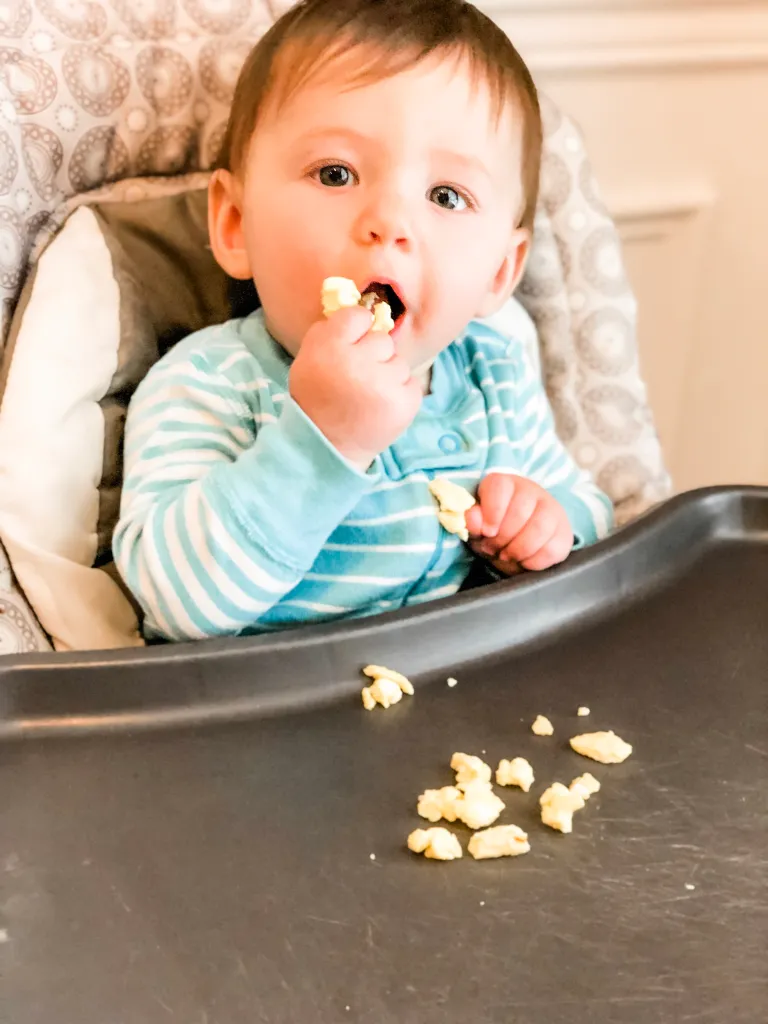
Introducing new textures is a natural progression, but it’s easy to feel like you’re walking a tightrope between “too smooth” and “too chunky.” Transitioning your baby to varied textures is essential for oral-motor development—the way they move their tongue, use their gums, and eventually learn to chew—but it doesn’t have to be a race.
Here is how to bridge the gap between smooth purees and table food while keeping everyone’s stress levels low.
1. The “Gradual Texture Transition” Method
You don’t have to jump from liquid-smooth to whole food overnight. Instead, think of it as a sliding scale. Start by making your purees slightly thicker. If you usually blend your clean baby foods until they are perfectly liquefied, try leaving a few small, soft lumps.
- The Spoon Technique: If you are spoon-feeding, use the back of a fork to mash instead of using a blender. Leaving tiny, soft bits of banana or sweet potato allows your baby to experience “texture” without the challenge of needing to chew through a solid piece.
- The “Double Texture” Trick: Pair a smooth puree with a soft, dissolvable finger food. This allows your baby to use their hands to explore a new texture (like a soft piece of cooked pear) while they continue to receive familiar, smooth nutrition via the spoon.
2. Follow Their Oral-Motor Cues
Your baby will tell you when they are ready for a challenge. If they are gagging excessively—not just the normal, protective gagging, but true distress—or if they are simply spitting out anything with a lump, they may need more time.
Keep an eye on how they move their tongue. As they get more proficient, you will see them stop pushing food out and start using their gums to “munch” on the spoon or your finger. This is the green light to increase the chunkiness of their meals.
3. Minimize the “Yuck” Factor
Sometimes, a baby’s rejection of texture isn’t about the food itself; it’s about the sensory shock. To keep things calm:
- Warmth Matters: Serve new textures at a comfortable, lukewarm temperature. Extreme temperatures can make a baby less willing to try something that already feels “weird” in their mouth.
- Combine Textures: Mix a new, slightly grittier texture with a food they already love. If they adore mashed avocado, try stirring in a tiny bit of finely ground, cooked quinoa. The familiar flavor masks the novelty of the texture.
4. Optimize the Environment
Feeding a baby who is learning to navigate textures can be messy—and mess is actually part of the learning process. If you are stressed about the cleanup, you might accidentally project that tension onto your baby.
Ensure you have feeding gear that makes cleanup easy, such as a high chair with a removable tray or a bib with a large pocket. When you aren’t worried about the floor, you can be more relaxed about your baby exploring these new textures with their hands. Remember, feeling the food is just as important for development as tasting it.
5. Start with “Melt-in-the-Mouth” Foods
If you are worried about choking, focus on foods that lose their structural integrity once they hit saliva. Well-cooked zucchini, steamed cauliflower florets, or soft-baked apple slices are excellent bridges to solid food. They have texture, but they break down almost instantly in the mouth, which takes the fear out of the equation for nervous parents.
Keep the Focus on Joy
If you find yourself becoming frustrated or if your baby is consistently rejecting new textures, take a break. There is no deadline for becoming an expert chewer. For more inspiration, our recipes and meal ideas are crafted to help you introduce these textures in a way that feels like play rather than a chore.
By moving at your baby’s pace and focusing on the experience rather than the volume, you turn a potentially stressful milestone into a fun, sensory-rich part of their day. If you ever feel like you are struggling with the transition, our FAQ page is a great place to find answers to common questions about texture progression.